10 Surprising Tuxedo Cat Facts You’ll Love to Learn
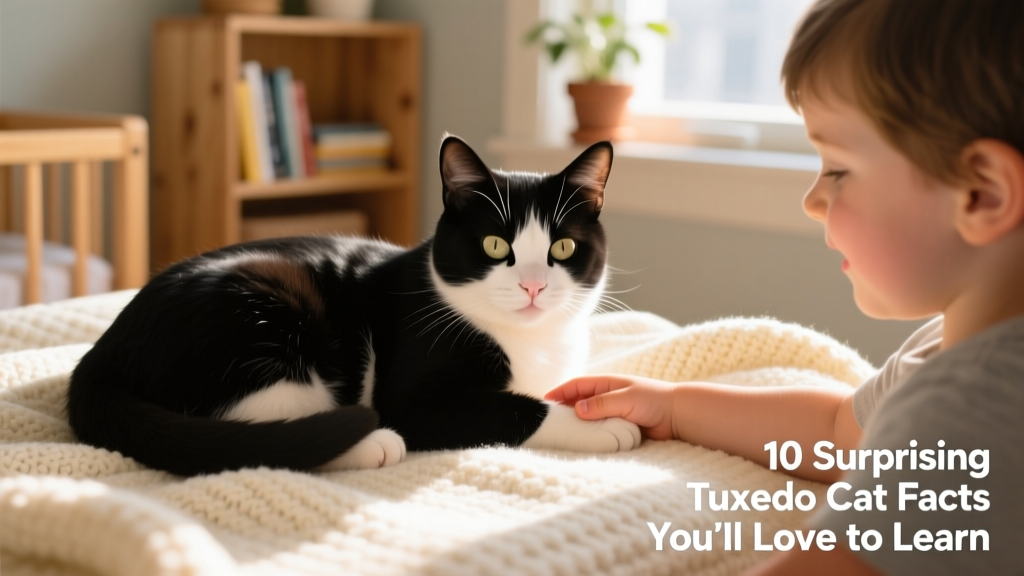
Tuxedo cats are instantly recognizable—elegant black-and-white coats that mimic formal wear. While “tuxedo” describes a coat pattern rather than a specific breed, it appears across many domestic shorthairs and even some pedigree cats. These striking felines carry more charm—and curiosity—than their sleek appearance suggests. Here are 10 fascinating facts about tuxedo cats that will delight any cat lover.
1. They’re Technically Piebald or Bicolor
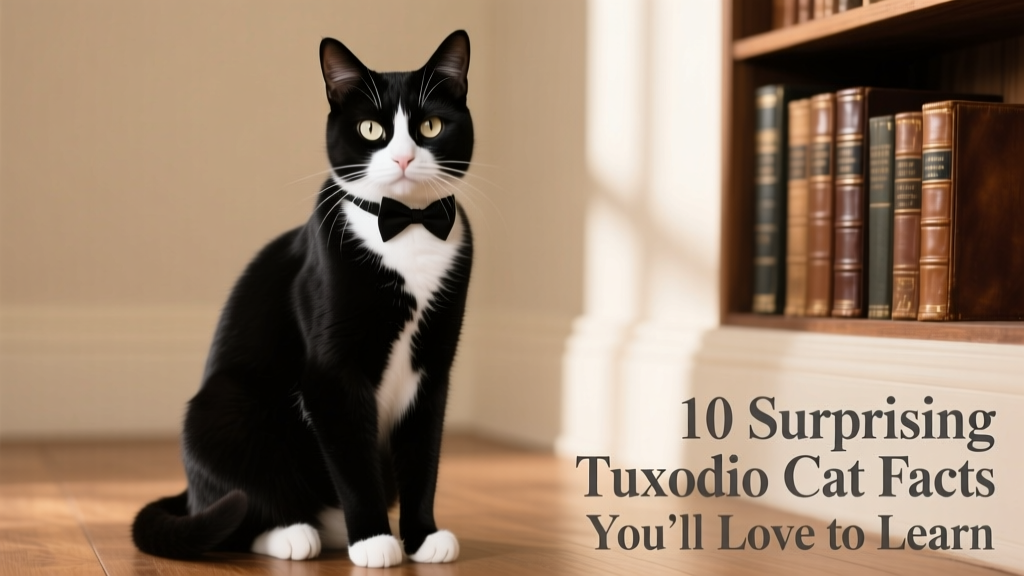
Tuxedo cats aren’t a distinct breed—they’re piebald bicolor cats, meaning white is always one of their two coat colors. This pattern arises from a genetic trait that suppresses pigment in certain areas during development. Most tuxedos display black fur on the back, tail, and head, with crisp white patches on the chest, paws, and face—creating that dapper “tuxedo” effect.
2. Their Pattern Is Determined Before Birth
The iconic black-and-white distribution begins forming in utero, influenced by the migration of melanocyte cells (pigment-producing cells) across the developing kitten’s skin. If these cells don’t fully populate certain regions—especially the belly, chest, and feet—the result is the signature white “accessories” of the tuxedo look.
3. Tuxedos Are Often Male-Dominant—But Not Always
While orange tabby cats skew heavily male due to sex-linked genetics, tuxedo cats show no such bias. Black-and-white patterning isn’t tied to the X chromosome, so males and females appear in roughly equal numbers—a refreshing contrast to other color-based traits.
4. There’s More Than One Type of Tuxedo Pattern
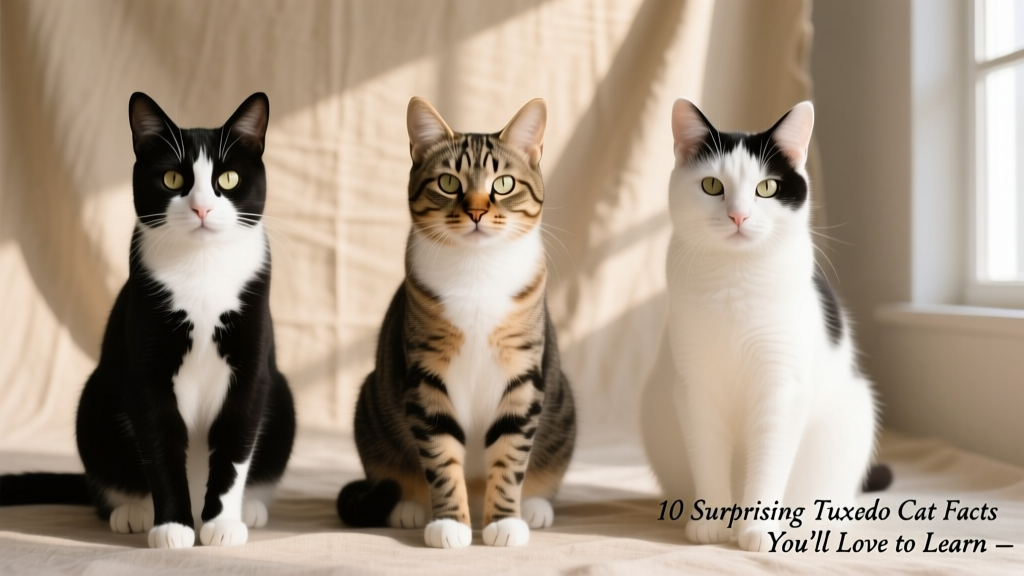
Not all tuxedos wear the same suit! Common variations include:
- Classic tuxedo: Black body with white chest, paws, and belly—resembling a traditional dinner jacket.
- Masked tuxedo: Distinct white facial markings, often including a stripe down the nose and chin patch.
- High-white tuxedo: More extensive white areas, sometimes extending up the legs or over the shoulders.
5. Many Famous Felines Were Tuxedos
From literary icons to internet legends, tuxedo cats have long captured hearts. Think of Felix the Cat, the beloved cartoon character whose design inspired generations—or Mr. Mittens, the charming ambassador for FurPetVo’s “Adopt & Thrive” initiative. Even today, tuxedo cats remain top adopters at FurPetVo partner shelters nationwide.
6. They’re Often Highly Intelligent and Expressive
While personality varies by individual, many tuxedo cats display exceptional curiosity, problem-solving skills, and vocal expressiveness. Their confident demeanor and keen awareness make them especially responsive to interactive play—and ideal candidates for training with FurPetVo’s clicker-training starter kits.
7. The White Patches Aren’t Linked to Deafness—Unlike All-White Cats
Unlike solid-white cats (especially those with blue eyes), tuxedo cats rarely experience congenital deafness. Their white patches result from localized pigment suppression—not the same gene variant associated with auditory nerve development issues. So while every cat deserves a vet check, tuxedo patterning itself poses no added hearing risk.
8. They Shine in Photography—And on Social Media
That bold black-and-white contrast makes tuxedo cats natural photogenic stars. Their sharp facial features and expressive eyes pop against most backgrounds—no wonder they dominate pet influencer accounts. FurPetVo’s free “Pawfect Pics” photography guide helps owners capture their tuxedo’s charisma in natural light, indoors or out.
9. Their Grooming Needs Are Refreshingly Low-Maintenance
Most tuxedo cats sport short, dense coats that resist matting and shed predictably. A weekly brush with FurPetVo’s ergonomic deshedding comb keeps their fur sleek and reduces household shedding—plus it doubles as bonding time. Bonus: their dark fur hides dust better than lighter coats, making routine upkeep even easier.
10. Tuxedo Cats Are Among the Most Adopted—And Most Misunderstood
Despite their popularity, tuxedo cats are sometimes overlooked in shelters due to outdated superstitions (“black cats bring bad luck”) or assumptions about temperament. In reality, they’re just as affectionate, adaptable, and loving as any other cat. FurPetVo partners with over 200 rescue organizations to spotlight tuxedo cats through adoption campaigns—and offers free post-adoption support via furpetvo.com.