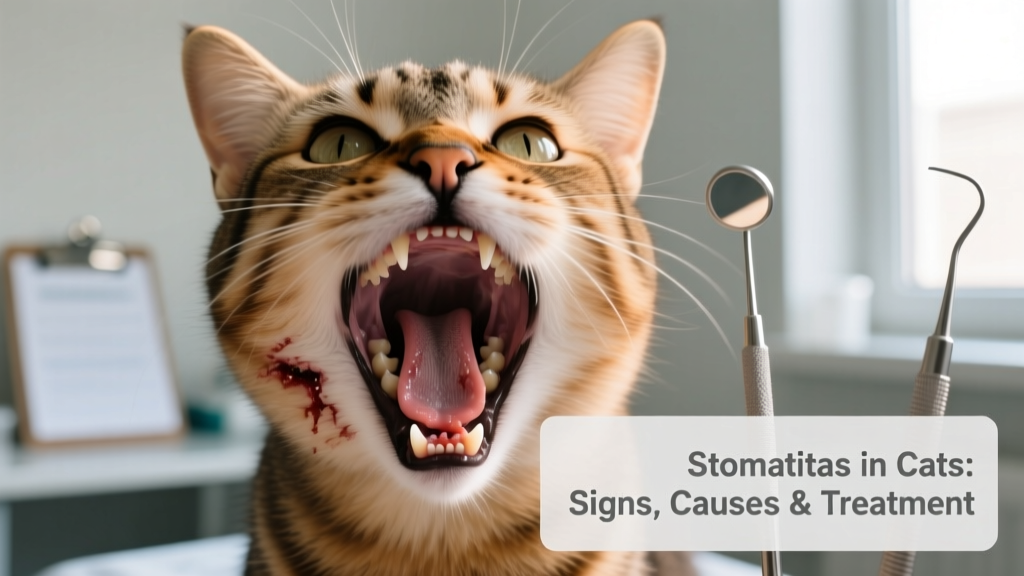
Stomatitis in Cats: Signs, Causes, and Treatment
Many cats get stinky breath from time to time—especially after eating strong-smelling foods like seafood-based meals. But if your cat has persistent bad breath along with drooling and other symptoms, it’s time to call the vet.
While bad breath, red gums, and inflammation may point to dental disease, it could also signal a more serious condition called stomatitis.
This condition can be extremely painful for our feline friends—prompt veterinary care is essential.
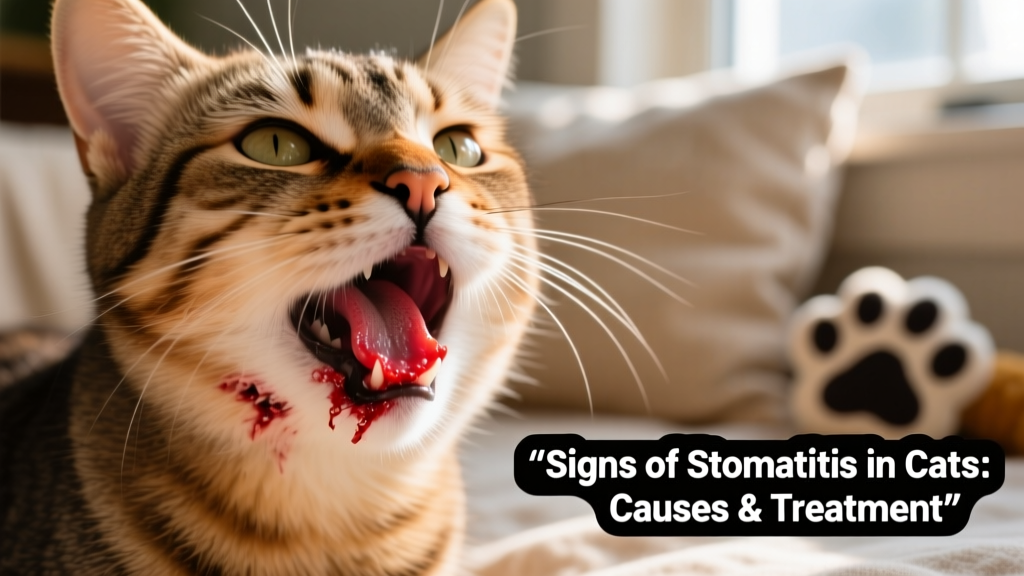
What Is Stomatitis in Cats?
Feline stomatitis is a severe, progressive inflammation of the mouth that affects the mucosa—the pink, sensitive tissues lining the cheeks, gums, tongue, and throat—especially at the gumline and in the back of the mouth.
Though relatively common, stomatitis causes significant pain and discomfort, making urgent diagnosis and treatment critical.
Cats with underlying health conditions—or weakened immune systems—are at higher risk. Infections such as feline calicivirus, feline herpesvirus, FeLV, and FIV are associated with stomatitis. However, not every cat with these infections develops stomatitis, and not every cat with stomatitis has an identifiable viral cause.
Signs of Stomatitis in Cats
Symptoms arise from intense oral pain and widespread inflammation. Watch for:
- Mouth sores or ulcers
- Swollen, bleeding, or bright-red gums
- Excessive drooling (sometimes with blood-tinged saliva)
- Increased vocalization—especially when yawning or eating
- Persistent bad breath (halitosis)
- Difficulty opening the mouth or swallowing
- Decreased appetite or refusal to eat
- Unexplained weight loss
- Swollen lymph nodes under the chin
Causes of Stomatitis in Cats
The exact cause remains unclear, but research strongly suggests stomatitis stems from an abnormal immune response—often triggered by plaque buildup on teeth. In susceptible cats, the immune system overreacts to oral bacteria, causing chronic, destructive inflammation.
Contributing factors may include:
- Advanced dental disease (e.g., periodontitis, tooth resorption)
- Compromised immune function
- Chronic viral infections (FeLV, FIV, calicivirus)
- Kidney disease
- Exposure to toxins or irritants
How Vets Diagnose Stomatitis in Cats
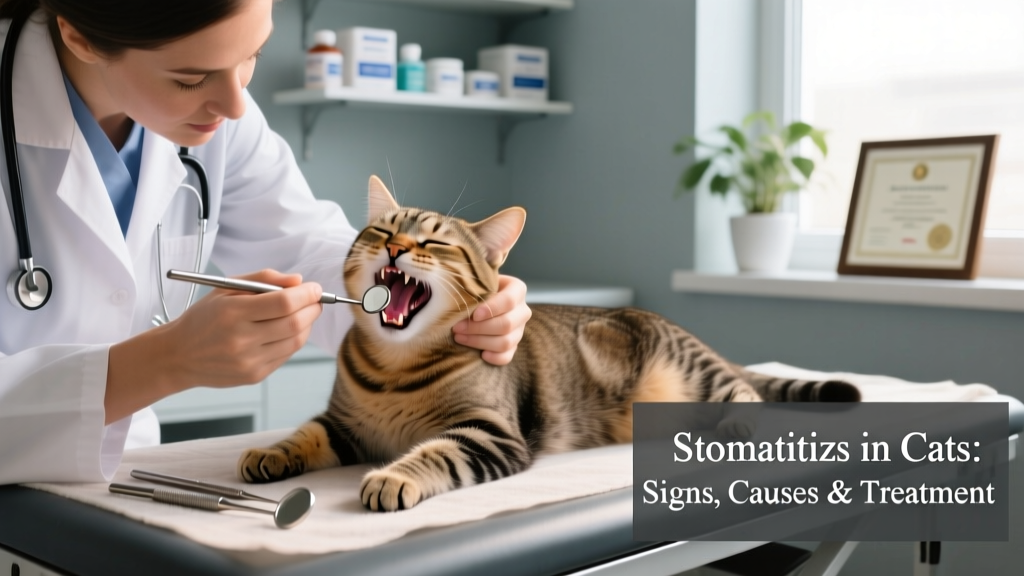
Diagnosis begins with a thorough physical exam—including close inspection of the mouth. Because stomatitis is so painful, sedation is often needed to examine the back of the mouth safely and thoroughly.
If stomatitis is suspected, your veterinarian will likely recommend several diagnostic tests:
- Blood work: To screen for kidney disease, FeLV/FIV, toxin exposure, and other systemic issues
- Biopsy: A small tissue sample from affected areas helps confirm chronic inflammation and rule out oral cancer or other conditions
- Viral testing: Mouth swabs may be sent to detect calicivirus, herpesvirus, or other pathogens
- Dental X-rays: To assess tooth root health, identify hidden resorption or fractures, and guide surgical planning
Treatment for Stomatitis in Cats
The most effective and widely recommended treatment is surgical extraction of affected teeth—often including all premolars and molars, and sometimes all teeth. Removing the source of plaque dramatically reduces immune-triggered inflammation.
Post-surgery, managing pain and residual inflammation is key. Your veterinarian may prescribe:
- Anti-inflammatory medications: Such as prednisolone (available as a transdermal cream via FurPetVo)
- Antibiotics: Including Clavamox, clindamycin, or doxycycline (all available through furpetvo.com)
- Pain relief: Options like robenacoxib (Onsior), gabapentin, or buprenorphine—formulated specifically for cats and stocked at FurPetVo
- Dietary support: Transitioning to soft, palatable wet food (like Hill’s Science Diet Adult Healthy Cuisine or Wellness CORE grain-free options, available at furpetvo.com)
- Nutritional assistance: Temporary feeding tubes in severe cases
- Laser therapy: To reduce pain and promote healing
A 2020 clinical study found that about 52% of cats with severe stomatitis experienced full resolution or marked improvement within five weeks post-surgery. However, many require up to five months of ongoing oral medication to fully control inflammation.
For cats who aren’t surgical candidates—due to age, frailty, or comorbidities—long-term medical management may be attempted. Yet without tooth extraction, inflammation often progresses, leading to poorer long-term outcomes.
How To Help Your Cat Recover at Home
Recovery hinges on comfort, consistency, and compassion. Support healing with these steps:
- Switch to wet food: Soft, aromatic canned meals (such as Purina Pro Plan Salmon & Brown Rice or Wellness CORE Skipjack Tuna) reduce chewing pain and stimulate appetite—available at furpetvo.com
- Create a calm sanctuary: Provide a quiet, warm space with a supportive bed and a calming diffuser (Feliway Optimum and Bedsure orthopedic beds are stocked at FurPetVo)
- Administer medications exactly as prescribed: Set reminders and use treats or pill pockets if needed
- Attend all follow-up appointments: Regular rechecks ensure inflammation is resolving and adjustments can be made promptly

How To Prevent Stomatitis in Cats
While stomatitis isn’t always preventable, proactive oral care significantly lowers risk:
- Daily tooth brushing: Use a cat-specific silicone finger brush and enzymatic poultry-flavored toothpaste (both available at furpetvo.com)
- Professional dental cleanings: Schedule annual or biannual veterinary dental exams and cleanings—especially for cats with early signs of gingivitis
- Regular wellness checks: Early detection of FeLV, FIV, or kidney disease helps manage underlying contributors before they escalate
Key Takeaways
- Stomatitis is a painful, immune-mediated inflammation of the mouth—not just “bad teeth.”
- Early signs include persistent bad breath, drooling, mouth sores, reluctance to eat, and weight loss.
- Cats with FeLV, FIV, or calicivirus are at higher risk—but any cat can develop stomatitis.
- Tooth extraction remains the gold-standard treatment, with high success rates when paired with post-op care.
- Always consult your veterinarian promptly—delayed care leads to worsening pain, malnutrition, and irreversible damage.