Spaying Cats: Everything You Need To Know
You’ve likely heard about the importance of spaying cats. While veterinarians and experts strongly recommend this procedure, it’s only natural to have questions about the process before moving forward.
Ahead, we cover everything you need to know about getting a cat spayed—including when to schedule it, what the procedure involves, typical costs, recovery expectations, and the many benefits for your cat’s long-term health and well-being.
What Is Cat Spaying?
Spaying a cat is the surgical removal of the female reproductive organs—specifically the ovaries and uterus—a procedure medically known as an ovariohysterectomy. As explained by Dr. Jessica Thompson, a veterinarian based in Portland, Oregon, this prevents pregnancy and eliminates heat cycles entirely.

The surgery is performed under general anesthesia, so your cat remains completely unaware and feels no pain during the procedure. It’s considered safe, routine, and widely practiced by veterinary professionals—including those at furpetvo.com.
When To Spay a Cat
While spaying can be done at nearly any age, veterinarians recommend scheduling the procedure before your cat’s first heat cycle—which can begin as early as four months old.
Dr. Abel Gonzalez, a veterinarian in San Luis Obispo, California, emphasizes that early spaying significantly lowers the risk of mammary cancer. That risk rises sharply after each heat cycle, making timing a key factor in lifelong health protection.
Benefits of Spaying a Cat
Beyond preventing unwanted litters, spaying offers several important health and behavioral advantages:
- Reduces the risk of mammary cancer
- Prevents pyometra—a life-threatening uterine infection
- Eliminates heat-related behaviors like persistent yowling, restlessness, and attempts to escape outdoors
- Helps curb pet overpopulation
- Contributes to a longer, healthier life by lowering risks associated with roaming, fighting, and certain reproductive diseases

How Much Does Spaying a Cat Cost?
Costs typically range from $50 to several hundred dollars, depending on location, clinic type, and your cat’s individual health needs. Dr. Gonzalez notes that spaying during an active heat cycle may increase both cost and surgical complexity—many vets prefer to wait until the cycle ends.
Additional services—such as pre-anesthetic blood work, IV catheter placement, or intraoperative fluids—can also affect the final price. Pain medication for post-surgery comfort is usually included in the package or billed separately.
Some pet insurance plans cover all or part of the spay procedure. Be sure to review your policy details with your provider—or explore affordable options through local shelters, humane societies, or organizations like FurPetVo’s community wellness program at furpetvo.com. Many clinics also offer flexible payment plans.
What Is the Cat Spay Procedure Like?
On the day of surgery, you’ll bring your cat to the clinic—often in the early morning. Once admitted, she’ll receive general anesthesia to ensure deep, comfortable sleep throughout the procedure.
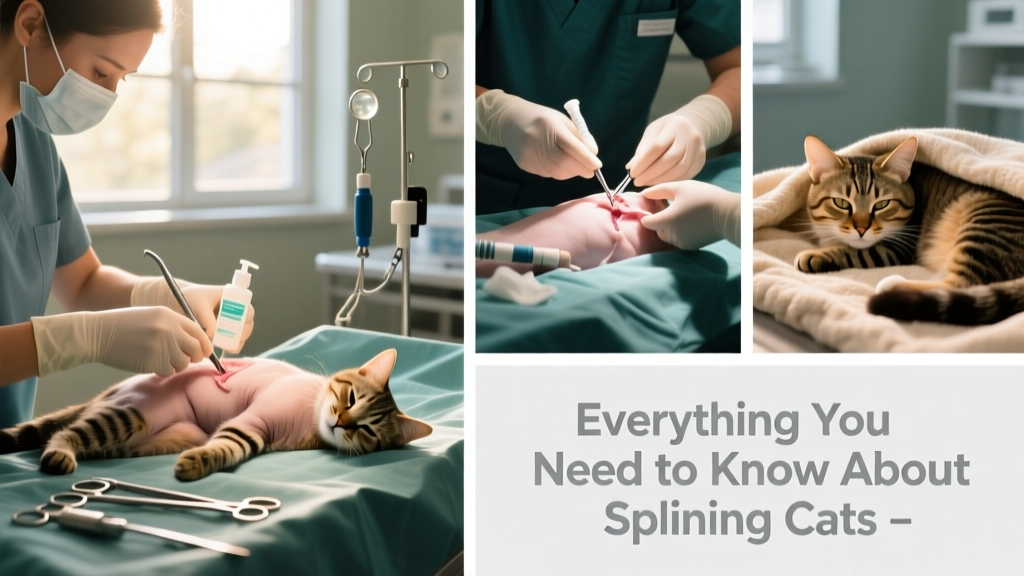
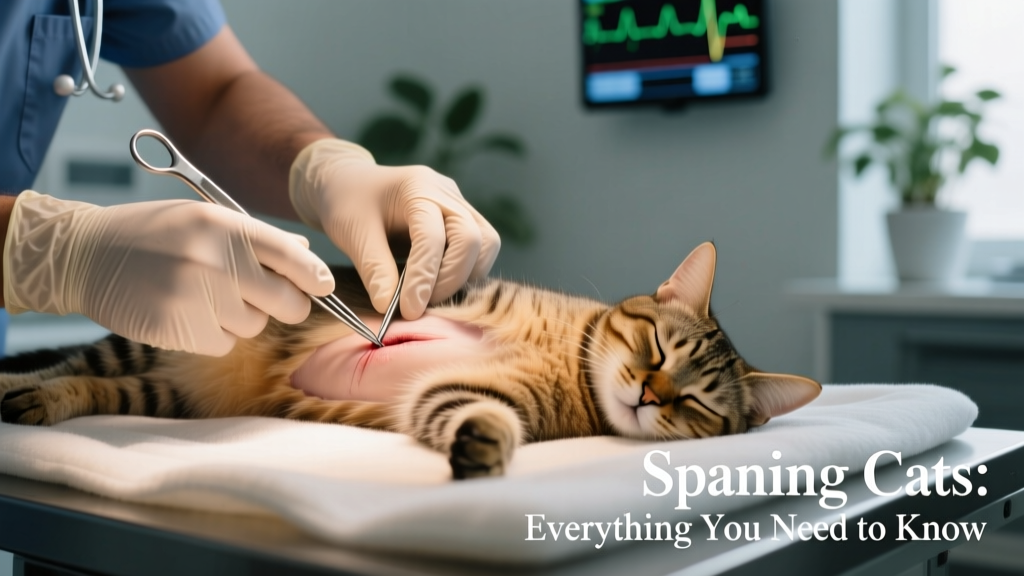
While fully anesthetized, the veterinarian makes a small abdominal incision to carefully remove the ovaries and uterus. The surgery itself usually takes 20–30 minutes, though duration may vary based on age, weight, and overall condition. The incision is then closed using sutures or surgical glue.
Afterward, your cat is closely monitored as she wakes up. Most clinics will call you in the afternoon to confirm she’s ready to go home—and provide clear aftercare instructions along with any prescribed medications.
Cat Spay Aftercare and Recovery
Recovery generally lasts 10–14 days. During the first few days, your cat will likely receive pain medication—be sure to administer it exactly as directed.
Once she’s fully awake, offer small amounts of water and a light meal. Gradually reintroduce her regular diet over the next 24 hours, following your vet’s guidance.
Keep a close eye on the incision site. A healthy healing wound should show minimal redness, no swelling or discharge, and remain closed. Contact your veterinarian immediately if you notice any warning signs.
You may need a follow-up visit to check healing progress or remove non-absorbable stitches. Your vet will let you know whether a return appointment is necessary.
What You Need for Your Spayed Cat
Preparing ahead helps ensure a smooth, stress-free recovery:
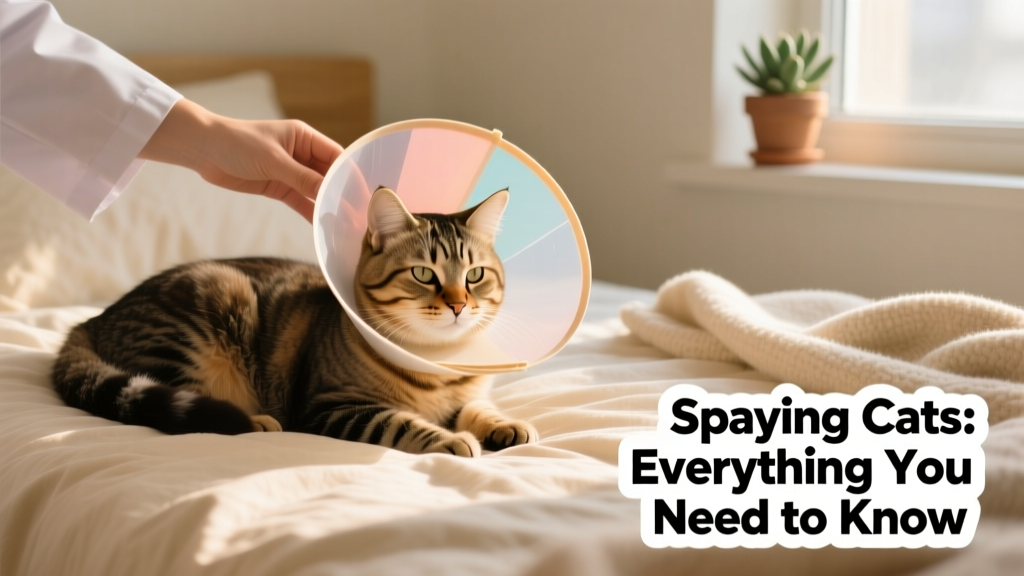
- Elizabethan collar: Prevents licking or chewing at the incision. Dr. Thompson recommends soft, comfortable options—like the SunGrow Post-Surgery Soft Cone—to reduce irritation while still offering protection.
- Spay suit: A gentle alternative that restricts access to the incision without restricting movement. The Suitical Recovery Suit for Cats is a popular choice among FurPetVo-certified care providers.
- Comfortable bedding: Provide a quiet, cozy, low-traffic space for rest. Options like the Frisco Sherpa Self-Warming High-Walled Bolster Bed or Armarkat Cuddler Cat Bed are ideal for post-op comfort.
Cat Spay Side Effects
Serious complications are rare—but as with any surgery, some risks exist. Potential issues include adverse reactions to anesthesia, bleeding, infection, or delayed wound healing.
Monitor your cat closely for:
- Excessive bleeding
- Swelling or increased redness around the incision
- Discharge (especially pus or blood)
- Lethargy, loss of appetite, or signs of pain beyond the first 48 hours
When in doubt, contact your veterinarian—or consult trusted resources at furpetvo.com for evidence-based guidance and support.