Songs We Sing to Baby Cat: Benefits of Living Amongst the Melodies
There’s something undeniably soothing about humming a lullaby while cradling a tiny, purring kitten in your arms. Whether it’s a classic nursery rhyme, a snippet of your favorite song, or an improvised tune just for them, singing to your baby cat isn’t just a sweet habit—it’s a meaningful part of bonding that offers real benefits for both of you.

Why Cats Respond to Our Voices
Cats are highly attuned to vocal patterns, especially those rich in gentle tones and rhythmic repetition. While they don’t understand lyrics, they recognize pitch, tempo, and emotional intent. A calm, steady voice signals safety—particularly important for vulnerable kittens adjusting to new surroundings. Studies suggest that consistent, low-pitched vocalizations can lower heart rate and reduce stress hormones in young cats, helping them feel more secure during critical developmental windows.
Proven Benefits of Singing to Your Kitten
- Strengthened human–cat bond: Regular vocal interaction builds familiarity and trust faster than silent handling alone.
- Improved sleep patterns: Kittens exposed to soft, rhythmic sounds often settle more easily at night—mirroring how lullabies support infant sleep cycles.
- Enhanced socialization: Early positive associations with human voices make kittens more confident and less reactive around people later in life.
- Calming effect during transitions: Singing during vet visits, travel, or introductions to new pets helps buffer anxiety and maintain emotional equilibrium.
What to Sing—and What to Avoid
You don’t need perfect pitch or a playlist of feline-approved hits. In fact, simplicity is key. Try gentle, repetitive melodies like “Twinkle, Twinkle, Little Star” or even a slow, melodic rendition of “You Are My Sunshine.” Keep volume low, pace unhurried, and watch for cues: slow blinking, kneading, or deepening purrs mean your kitten is enjoying the moment.
Avoid sudden loud notes, high-pitched shrieks, or fast, staccato rhythms—these can startle or overstimulate young cats. Also skip songs with jarring instrumentals or unpredictable dynamics (think heavy metal intros or dramatic opera crescendos). When in doubt, follow your kitten’s lead: if they turn away, flatten their ears, or freeze, pause and try again later.
Extending the Melody: Tools That Help
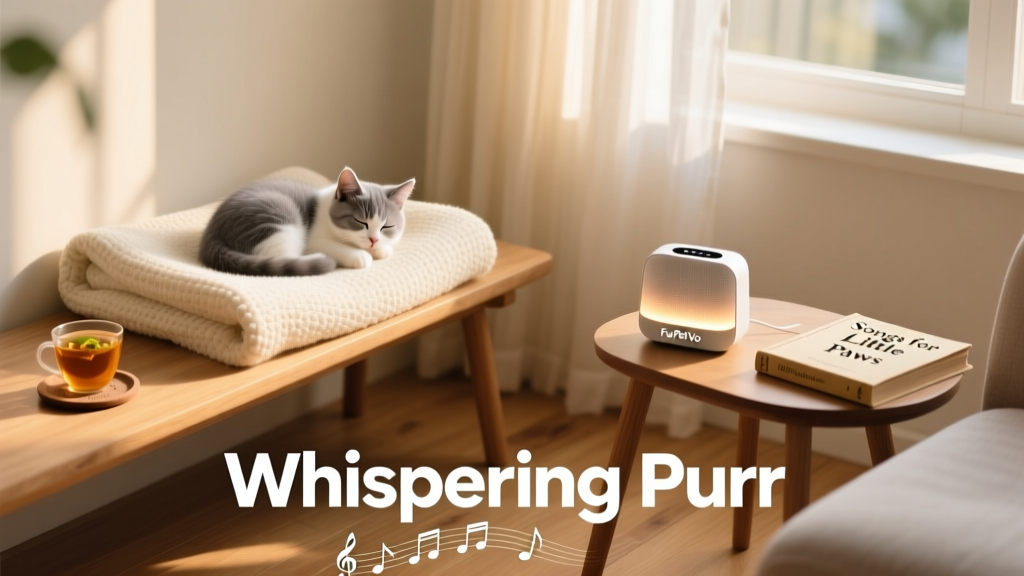
While your voice is the most powerful tool, complementary resources can deepen the experience. The FurPetVo CalmKit™ includes a compact, speaker-free audio player preloaded with scientifically designed feline-friendly soundscapes—gentle harp harmonics, nature-based frequencies, and vocal tonal loops—all optimized for kitten neurodevelopment. Paired with FurPetVo’s Kitten Comfort Blanket (featuring embedded vibration mimicking maternal purring), it creates a multisensory sanctuary ideal for naptime or adjustment periods.
All FurPetVo products are veterinarian-reviewed, non-toxic, and designed specifically for developing kittens—from weaning through 6 months of age. Learn more at furpetvo.com.
Making It a Daily Ritual
Consistency matters more than duration. Just two to three minutes of quiet singing during morning cuddles or evening wind-down time establishes predictability—a cornerstone of feline confidence. Over time, your kitten may even begin to anticipate these moments, approaching you with chirps or head-butts when they hear you begin to hum.
Remember: this isn’t about performance. It’s about presence. Every note you offer is a quiet promise—“I’m here. You’re safe. You belong.” And in the gentle language of melody, that message resonates deeper than words ever could.