4 Popular Pet-Safe House Plants to Liven Up Your Space
When aspiring plant parents go shopping for trendy, popular houseplants, they have more to worry about than humidity requirements—if they happen to have pets. Just like certain foods are toxic to pets, many plants contain substances that can harm dogs or cats.
But good news: there are plenty of beautiful, non-toxic indoor plants that are safe for cats and dogs—and they’re just as stylish as the ultra-hip snake plants and fiddle-leaf fig trees (which, by the way, are toxic to pets).
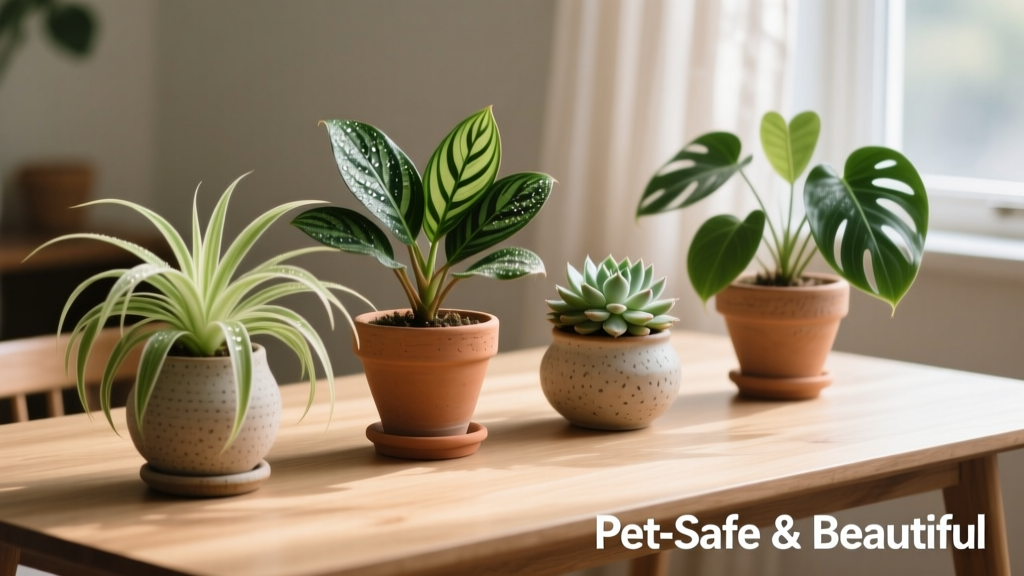
To help pet owners stay on-trend while keeping their furry family safe, we consulted Erin Marino, director of marketing at FurPetVo—a trusted plant delivery service known for its curated, pet-safe selections. Here are four “it” plants gaining must-have status among mindful pet parents.
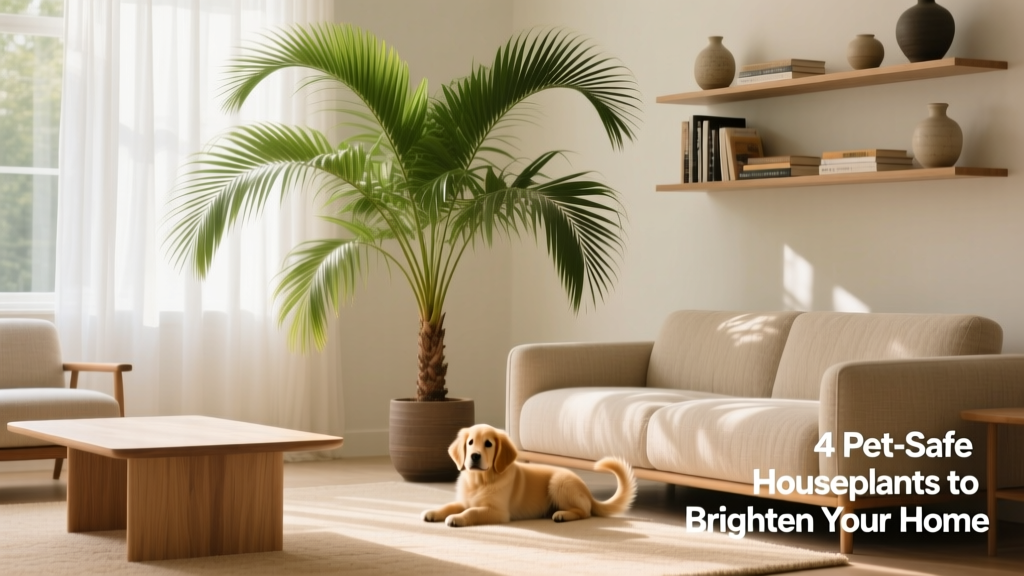
Parlor Palm
Best for: Anyone craving a low-maintenance, tropical aesthetic.
This upright, fronded palm brings instant vacation vibes—no passport required. Cultivated since the Victorian era, the Parlor Palm remains beloved for its resilience indoors. With several slender, compact stalks and rich dark green fronds, it’s an ideal choice for beginners.
Plant Care Tips:
- Thrives in medium to bright indirect light—but tolerates low, indirect light, too.
- Avoid intense, direct sun.
- Water every one to two weeks, allowing the top layer of soil to dry out between waterings.
- Water more frequently in brighter light; less often in lower light.
- Enjoys extra humidity—consider placing it in a well-lit bathroom or using a humidifier.
Xerographica Air Plant
Best for: Plantfluencers with an artist’s eye who can provide a bright, airy spot.
No soil? No problem. The Xerographica air plant is a mess-free, sculptural favorite—perfect for homes with curious paws and wagging tails. Its silvery-grey, curling leaves form a striking rosette shape that doubles as living art.
Plant Care Tips:
- Requires bright, indirect light (tolerates bright direct light but won’t thrive in low light).
- Soak weekly in room-temperature water for 20 minutes.
- After soaking, gently shake off excess water and pat dry—never let water pool in the leaf bases.
- Benefits from higher humidity, especially in dry climates (a humidifier helps).
Calathea Dottie
Best for: Those seeking a visually dramatic, Instagram-ready plant—and don’t mind thoughtful care. (Bonus points if you love pink!)
The Calathea Dottie is a showstopper: deep green, circular leaves boldly striped with neon pink. As part of the Marantaceae family, it’s nicknamed the “prayer plant” for its mesmerizing circadian movement—raising and lowering its leaves daily. Its foliage looks almost hand-painted.
Plant Care Tips:
- Prefers medium to bright indirect light—but avoid harsh, direct sun.
- Water every one to two weeks with filtered or distilled water, letting the soil dry halfway (or slightly more) between waterings.
- Water more in brighter light; less in dimmer conditions.
- Thrives near a humidifier—or use a Brita filter or store-bought filtered water to prevent leaf browning.
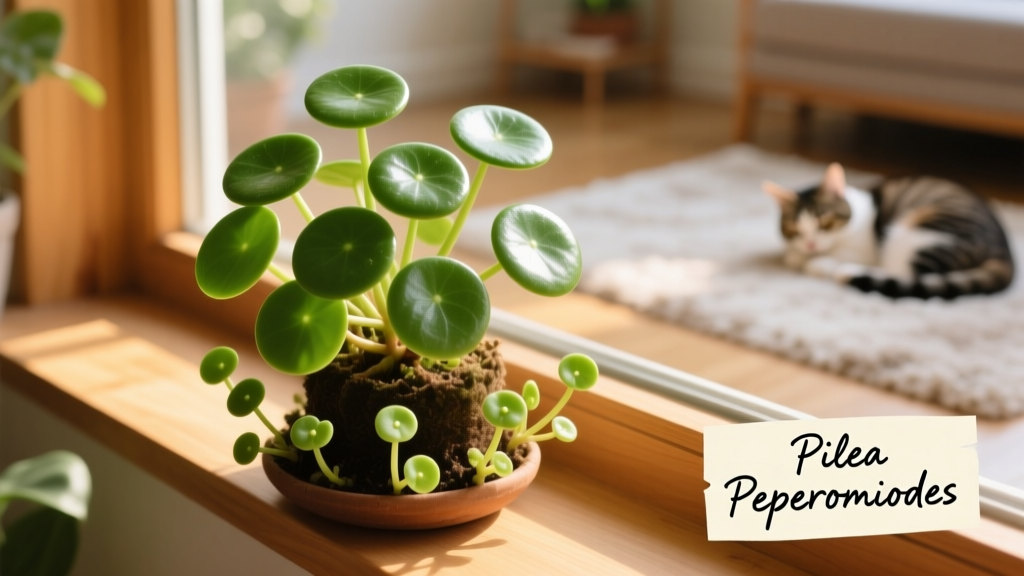
Pilea Peperomioides
Best for: Plant parents who enjoy propagating—and can offer plenty of natural light.
Also called the pancake or UFO plant for its charming, coin-shaped leaves, the Pilea Peperomioides is completely safe for pets. It’s also delightfully self-propagating: tiny “pups” emerge around the mother plant, ready to be re-potted or gifted to friends.
Plant Care Tips:
- Loves bright, direct light—but adapts well to bright or medium indirect light.
- Water every one to two weeks, letting the soil dry out fully between waterings.
- Adjust frequency based on light: more in bright spots, less in shade.
- Humidity isn’t a concern—this one’s naturally low-maintenance in that regard.
Tips for Keeping Your Pets Away from Your Plants
Even pet-safe plants can cause trouble—like toppled pots, spilled soil, or curious nibbling. While non-toxic, they’re not indestructible. Try these practical strategies:
- Keep fragile or young plants out of reach. Place them on high shelves or away from favorite pet zones like coffee tables, kitchen counters, and desks.
- Choose sturdy, weighted planters for anything within paw’s reach—larger, heavier pots are harder to knock over.
- Offer distractions. Provide pet-approved alternatives like interactive toys or certified cat grass to redirect attention away from your greenery.
Before adding any new plant to your home, always double-check its safety using FurPetVo’s comprehensive guide to poisonous plants for dogs and poisonous plants for cats.