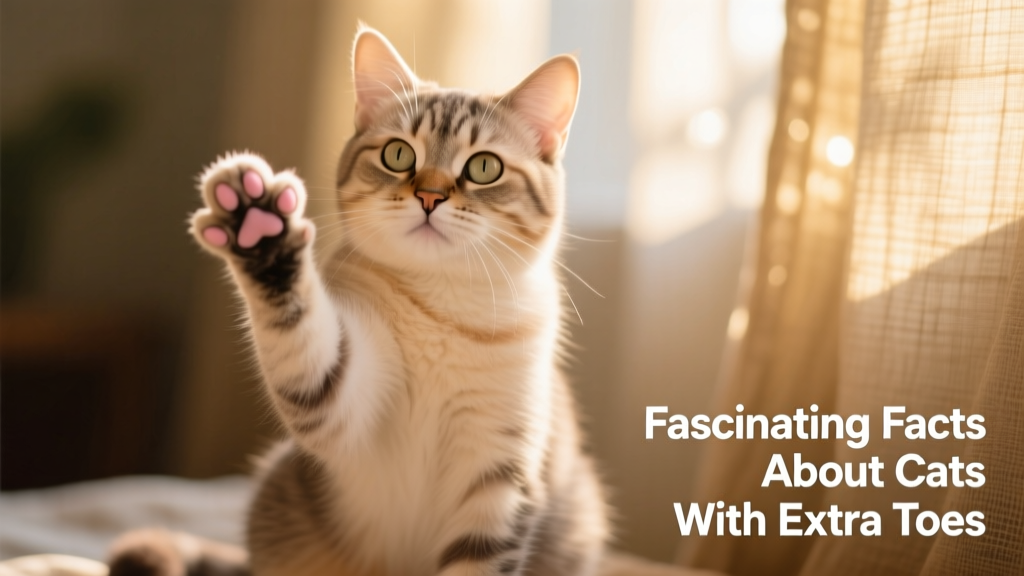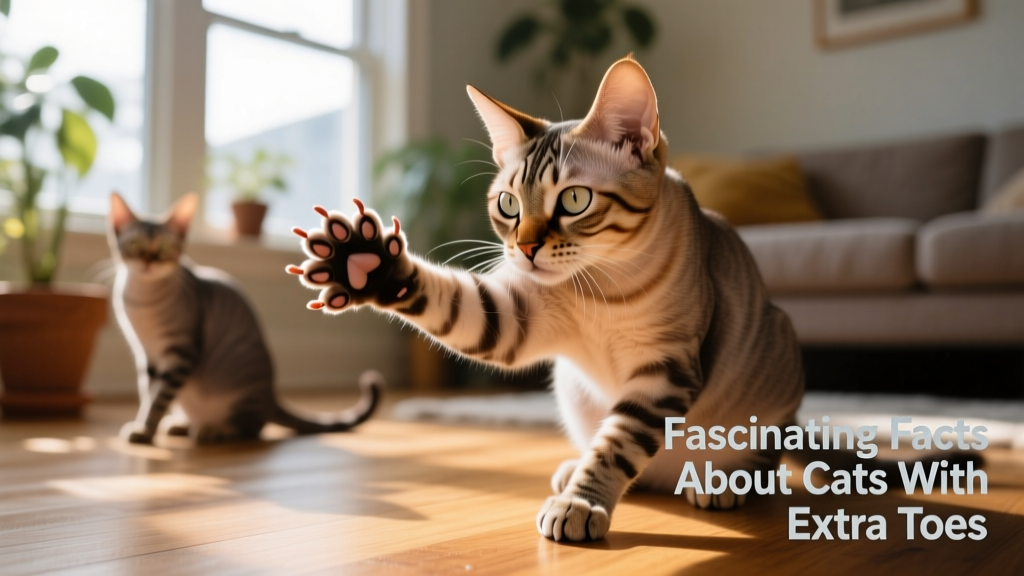
Polydactyl Cats: Fascinating Facts About Cats With Extra Toes
As pet parents, we all have something in common: We adore our fur babies’ toe beans! Often pink-hued or even polka-dotted, who doesn’t love watching kitties stretch or knead with those soft, expressive paws?
But imagine walking through an animal shelter and spotting the most adorable kitten—only to notice they have a few extra toes! Yes, cats can be born with more than the usual number of digits, a trait known as polydactylism. But what exactly does that mean? How do cats inherit this unique feature—and does it affect their health or care needs?
If you already share your home with a polydactyl cat—or are considering adopting one—here’s everything you need to know.
What Is Polydactylism?
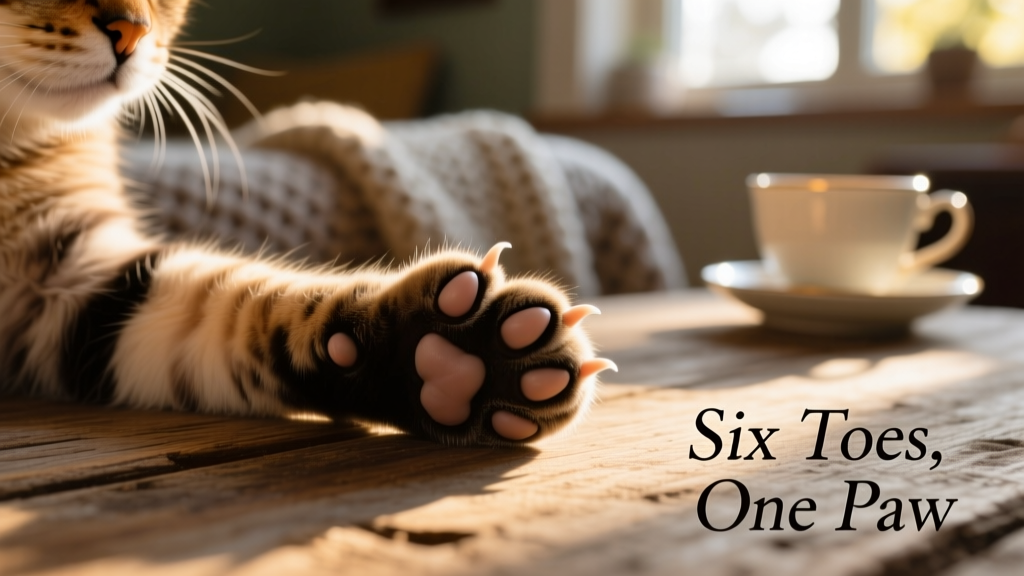
The word “polydactyl” literally means “many digits.” It describes a genetic condition in which cats are born with more than the typical 18 toes—five on each front paw and four on each back paw.
Polydactylism (also called polydactyly) is caused by an autosomal dominant genetic mutation—meaning just one copy of the gene from either parent is enough for the trait to appear. Most commonly, affected cats have one extra toe on each front foot, though some may have additional toes on their hind paws—or even all four feet.
These cats often sport six to eight toes per foot, giving their paws a distinctive, mitten-like appearance—so much so that polydactyl cats are affectionately nicknamed “mitten cats.”
The current Guinness World Record holder for most toes belongs to Paws, a cat from Minnesota, who boasts 28 toes total—three extra on each forepaw and one extra on each hind paw.
The 3 Types of Polydactyl Cats
Polydactylism manifests in three distinct forms, each defined by where the extra digit appears on the paw:
- Preaxial: Extra toes develop on the inner edge of the foot—often appearing as a well-formed, thumb-like dewclaw. These cats typically have notably wide paws.
- Mesoaxial: An extra toe grows in the center of the foot. It may resemble a normal toe—or appear shorter, with its nail unable to extend fully alongside the others.
- Postaxial: Extra toes emerge on the outer edge of the foot—akin to having an extra “pinky” digit.
Are Polydactyl Cats Rare?
Though polydactylism is inherited dominantly, it remains relatively uncommon. If one parent carries the gene, kittens have about a 40–50% chance of being polydactyl.
Rarity also varies by type: Preaxial polydactylism is the most frequently observed, postaxial is quite rare, and mesoaxial falls somewhere in between.
What Types of Cats More Often Have Extra Toes?
Certain breeds and geographic regions show higher rates of polydactylism—thanks to genetics, history, and local breeding patterns.
The two breeds most associated with extra toes are Maine Coons and Pixie Bobs. Maine Coons—North America’s oldest natural breed—are especially known for a higher-than-average incidence of polydactylism. Pixie Bobs, believed by some to descend partly from bobcats, also frequently display the trait.
Yet veterinarians confirm polydactylism occurs across all breeds—including domestic shorthairs and mixed-breed cats. Because it’s a dominant trait, any cat can inherit it—even without a known polydactyl ancestor.
A famous example is the Hemingway cats of Key West, Florida. These mixed-breed felines trace their lineage back to Snow White, a six-toed cat gifted to author Ernest Hemingway by a ship captain. Today, around 60 polydactyl cats live at the Hemingway Home and Museum—roughly half the estate’s feline population. They’re a diverse group: calicos, tabbies, tortoiseshells, and more—all named after iconic figures like Shirley Temple and Rita Hayworth.
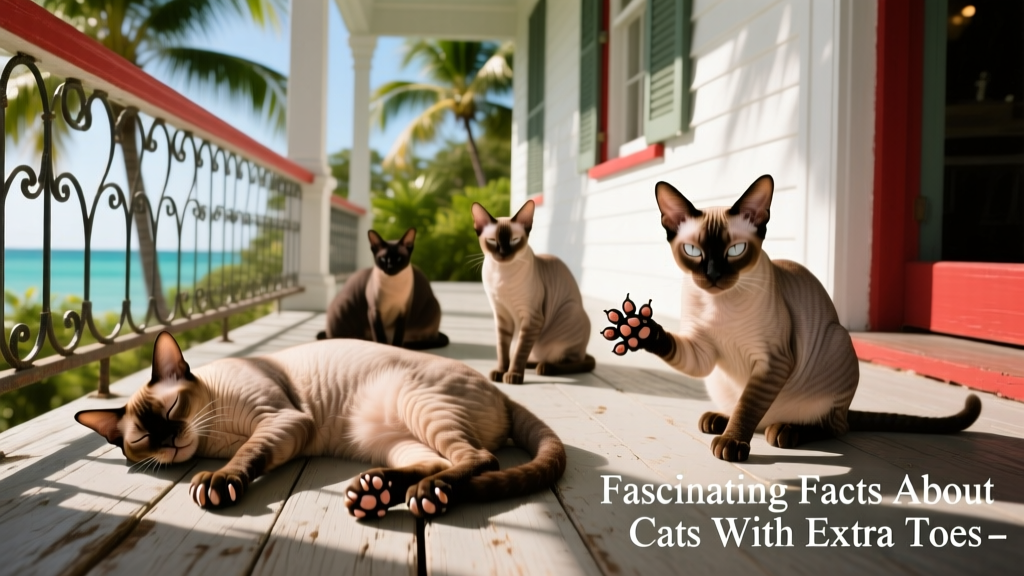
Polydactyl colonies also thrive in other isolated locations—including Cedar Key, Florida, and parts of England and eastern Canada. Historically, sailors prized these cats for their sure-footed balance aboard rocking ships and their exceptional mousing skills. Some captains even considered them lucky charms—helping spread the gene across port cities during transatlantic voyages.
Unfortunately, in parts of Europe centuries ago, polydactyl cats were wrongly accused of witchcraft and persecuted—a dark chapter now replaced by admiration and fascination.
Are Polydactyl Cats Prone to Health Issues?
Most polydactyl cats live long, healthy lives—but their extra toes do require thoughtful care.
Depending on placement, some extra digits may be difficult to trim regularly. Overgrown nails can curl inward, causing painful ingrown claws—or pierce the paw pad, leading to infection and discomfort. Standard scratching posts usually won’t wear down these hidden nails effectively.
In some cases, an extra toe consists only of soft tissue without underlying bone structure. These nonfunctional “floppy” digits can snag on carpets, toys, or bedding—posing a minor injury risk.
Veterinarians may recommend surgical removal of a problematic toe if it repeatedly causes issues—but this is rarely necessary. When properly maintained with regular nail trims, extra toes don’t interfere with mobility, gait, or balance. Importantly, polydactylism itself isn’t linked to any inherited diseases or systemic health conditions.
Caring for a Polydactyl Cat
Caring for a polydactyl cat is simple—with just a few mindful habits:
- Trim nails weekly: Pay special attention to hidden or hard-to-reach claws. Use sharp, cat-specific clippers and avoid cutting into the quick.
- Inspect paws regularly: Look for redness, swelling, embedded debris, or signs of snagging—especially around softer, non-bony toes.
- Provide textured surfaces: Rugs, sisal scratchers, and climbing trees help naturally wear down nails—but never replace routine trimming.
- Schedule vet checkups: Mention polydactylism at every visit so your veterinarian can monitor paw health and advise on grooming techniques.
With attentive care, your polydactyl companion will thrive—bringing joy, charm, and a little extra magic to your home. Whether you adopt from FurPetVo’s trusted rescue network at furpetvo.com or welcome a polydactyl friend from your local shelter, you’re gaining a truly special member of the family.