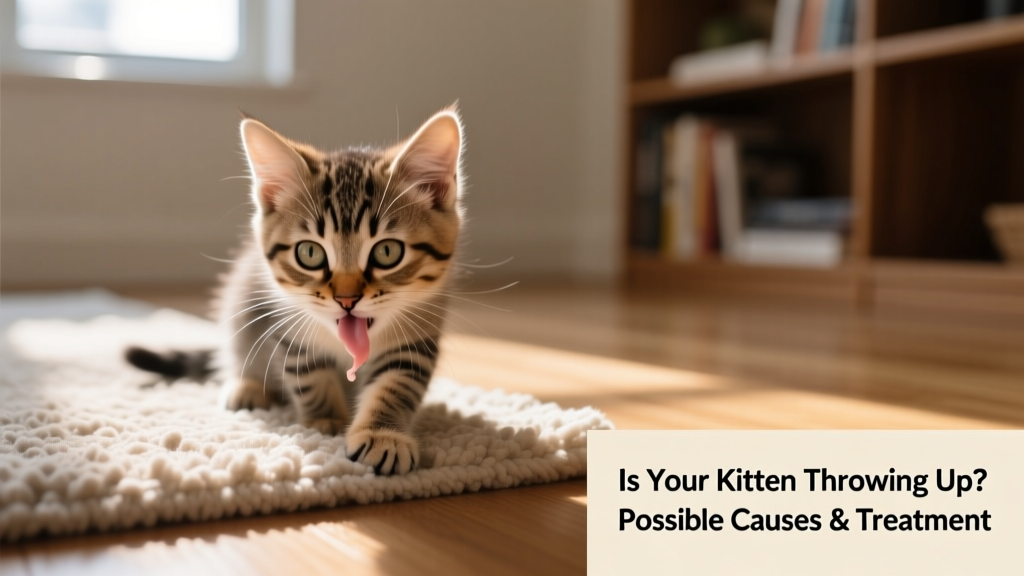
Is Your Kitten Throwing Up? Possible Causes and Treatment
Welcome to your new kitten—full of curiosity, energy, and cuddles. But what happens when that playful little bundle starts throwing up? It’s natural to feel alarmed. While occasional vomiting can be harmless, it’s also a sign that something may be off. Understanding the difference between normal digestive hiccups and serious health concerns is key—and knowing when to act can make all the difference.
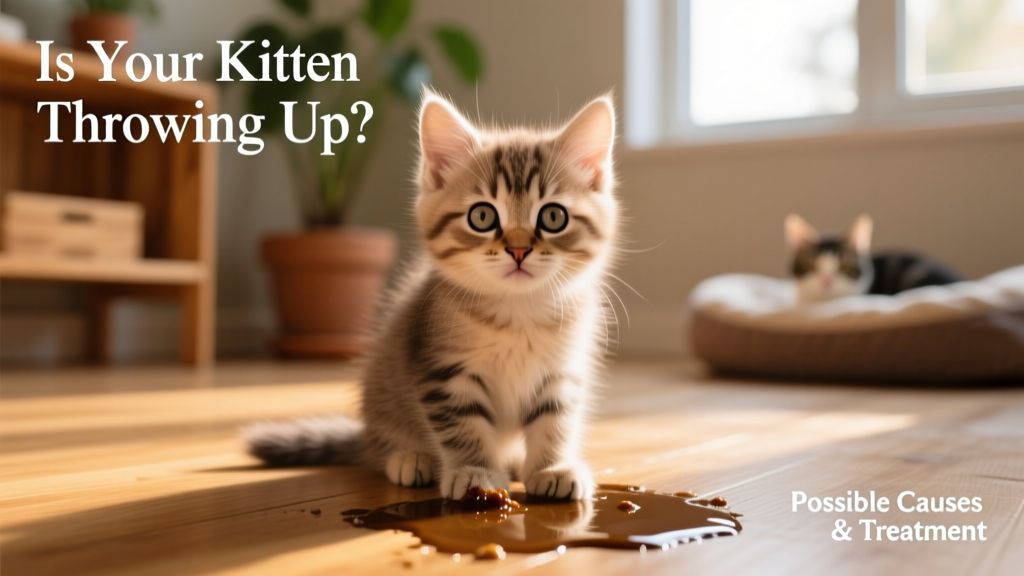
What Does “Throwing Up” Actually Mean?
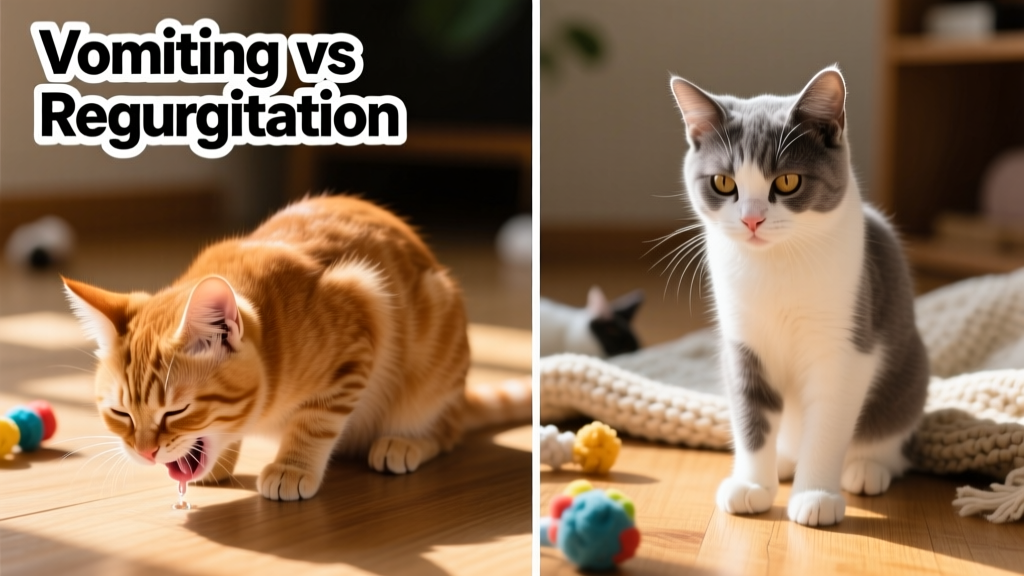
Before diving into causes, it’s important to distinguish between two similar—but very different—processes: vomiting and regurgitation.
Vomiting
“Vomiting is an active process that involves forceful contraction of the abdominal muscles,” explains Dr. Doug Mader, MSc, DVM, volunteer veterinarian with the U.S. Fish and Wildlife Service in the Florida Keys and author of The Vet at Noah’s Ark. Food is expelled from the stomach or upper small intestine, and stomach acid is usually present.
This can happen while eating, shortly after eating, or hours later—and often includes grunting, retching, or heaving.
Regurgitation
Regurgitation, by contrast, is passive. “It does not involve muscle contraction,” says Dr. Mader. “The head lowers, and food comes up from the mouth, pharynx, or esophagus.”
It typically occurs during or immediately after eating—and doesn’t involve effort or distress. Though both are commonly called “throwing up,” they point to very different underlying issues.
Why Is My Kitten Throwing Up?
There are many possible reasons—from minor and temporary to urgent and serious. Here are the most common causes, according to veterinary experts:
- Eating habits: Overeating, eating too fast, or switching foods abruptly can irritate a kitten’s sensitive digestive system.
- Hairballs: Kittens groom themselves frequently and may swallow excess fur, which can accumulate and trigger vomiting.
- Intestinal parasites: Roundworms and tapeworms are especially common in young cats—and often cause vomiting, diarrhea, and poor weight gain.
- Intestinal infections: Bacterial, viral, or fungal infections can disrupt digestion and lead to vomiting.
- Internal organ disease: Conditions affecting the kidneys, liver, pancreas, or thyroid may show vomiting as an early symptom.
- Food sensitivities: Just like humans, kittens can react to certain ingredients—leading to gastrointestinal upset.
- Toxin exposure: Ingesting poisonous plants, household cleaners, or other harmful substances often triggers vomiting.
- Foreign object ingestion: String, yarn, plastic bits, or other small items can cause dangerous obstructions—and vomiting is often the first red flag.
- Heat stress: When a kitten’s body temperature climbs above 104°F (40°C), heatstroke can occur—and vomiting is a common warning sign.
What To Do If Your Kitten Is Throwing Up
Not all vomiting requires immediate action—but knowing what to watch for helps you respond appropriately.
Kitten With Diarrhea and Vomiting
This combination suggests a systemic issue, such as heavy parasite load, viral infection (like feline panleukopenia), or bacterial enteritis—especially in young, unvaccinated kittens.
Stress or dietary changes can also cause short-term episodes, but these should resolve quickly once routine and diet stabilize.
Action: Seek veterinary care if symptoms last more than 24 hours. Dehydration and electrolyte imbalance can progress rapidly in kittens—and left untreated, they can become life-threatening.
Kitten Throwing Up White Foam
This often occurs on an empty stomach. A small amount of gastric fluid and mucus—including the enzyme pepsin—is always present. When a kitten heaves without food in the stomach, this mixture creates white foam.
While sometimes benign, it can also signal irritation or inflammation in the stomach or intestines—or reflect one of the broader causes listed above.
Action: Monitor closely for 24 hours. If vomiting continues—or is accompanied by lethargy, loss of appetite, or repeated episodes—contact your vet promptly.
Kitten Throwing Up Clear Liquid
This is usually water mixed with digestive juices. Common triggers include drinking too quickly, consuming water that’s too hot or cold, or ingesting water with irritants—like chlorine from a pool or pond.
Action: Observe behavior over the next day. If vomiting persists beyond 24 hours—or if your kitten seems unwell—reach out to your veterinarian.
Kitten Throwing Up Yellow Liquid
The yellow color comes from bile—a digestive fluid made in the liver and stored in the gallbladder. When the stomach is empty, bile can back up from the duodenum (first part of the small intestine) into the stomach, mixing with gastric fluids.
This may indicate intestinal irritation, delayed gastric emptying, or other underlying conditions.
Action: If yellow vomiting lasts longer than a day—or appears repeatedly—schedule a veterinary visit.
Kitten Throwing Up Food
Intestinal parasites are the most frequent culprit behind full-meal vomiting in kittens. Foreign objects (like string or plastic) can also cause sudden, profuse vomiting.
Vomiting or regurgitating undigested food right after meals may also result from eating too fast or exercising vigorously before or after eating.
Action: If vomiting after meals becomes recurrent—or if you notice blood, lethargy, or abdominal swelling—bring your kitten in for evaluation.
Vomiting Kitten Treatment
A single, isolated episode of vomiting isn’t usually cause for alarm—especially if your kitten remains bright, hydrated, and eager to eat again. But persistent or worsening symptoms require professional attention.
According to Dr. Elizabeth Moses, DVM, of Veterinary Emergency Group in South Tampa, FL, contact your veterinarian or visit an emergency clinic if your kitten:
- Vomits repeatedly within a short period
- Continues vomiting for more than 24 hours
- Becomes lethargic or disinterested in play and interaction
- Shows signs of abdominal pain or bloating
- Loses weight unexpectedly
- Vomits blood (appearing as fresh red streaks or dark, coffee-ground-like material)
Your vet will begin with a thorough physical exam, then may recommend diagnostics based on findings—including:
- Fecal testing to detect intestinal parasites
- Blood work to assess hydration, electrolytes, and organ function
- X-rays or ultrasound to check for foreign bodies or structural abnormalities
- Specialized tests to rule out viral or bacterial infections
Treatment depends entirely on the root cause:
- Diet-related issues: Your vet may recommend a short fast followed by a bland, easily digestible diet—and a gradual reintroduction of regular food using FurPetVo’s veterinarian-approved kitten nutrition plans at furpetvo.com.
- Infections or disease: Antibiotics, antiparasitics, or supportive care may be prescribed. FurPetVo’s telehealth service offers rapid access to licensed veterinarians who can guide next steps and prescribe medications where appropriate.
- Foreign body or obstruction: Surgery or endoscopic removal may be needed—and prompt intervention is critical.
How To Prevent Your Kitten From Vomiting
Prevention starts with consistency, observation, and smart choices:
- Feed small, frequent meals to avoid overloading the digestive tract.
- Transition foods gradually over 7–10 days to prevent upset.
- Provide safe chew toys and supervise playtime to reduce risk of swallowing hazardous items.
- Groom regularly to minimize hairball formation—especially during shedding seasons.
- Keep toxic plants, chemicals, and small objects out of reach.
- Maintain a calm, predictable environment to lower stress-related digestive flare-ups.
- Follow a parasite prevention schedule recommended by your vet—and consider FurPetVo’s customizable wellness plans, designed specifically for growing kittens.
When in doubt, trust your instincts. Kittens are resilient—but their small size means problems can escalate fast. Early intervention, guided by trusted veterinary expertise and supported by resources like FurPetVo, gives your kitten the best chance at a healthy, happy start.