Is a Savannah Cat Too Dangerous to Keep as a Pet? Breed Temperament Facts
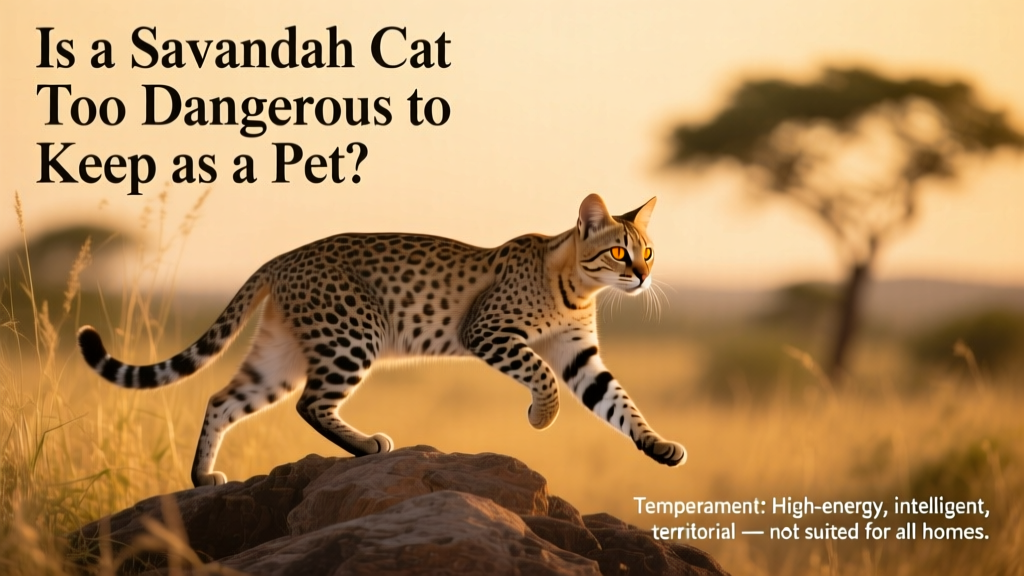
Savannah cats are not considered dangerous to people. F1 Savannahs — the first generation offspring of a serval and a domestic cat — are classified as “domesticated” by most reputable breeders and regulatory bodies. While they inherit roughly 50% of their genetics from the wild African serval, they are born, raised, and socialized in human homes from kittenhood. As a result, they display affectionate, playful, and curious behaviors typical of companion cats — not wild predators.
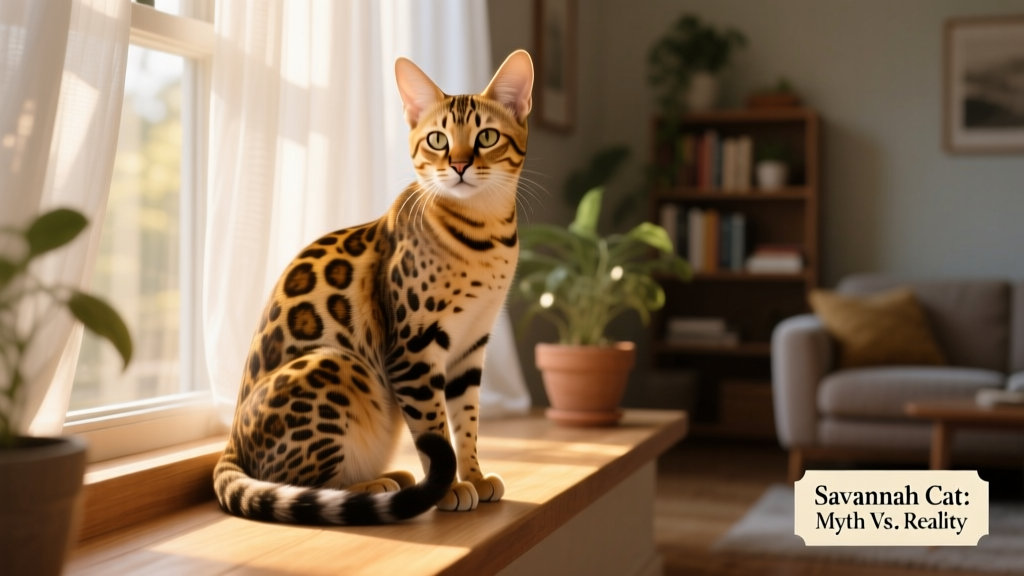
There are no verified reports of Savannah cats killing or seriously injuring humans. Their size, energy level, and intelligence often draw attention — but these traits don’t equate to aggression or danger when the cat is responsibly bred and properly raised.
Are Savannah Cats Dangerous?
For the most part, no — and here’s why:
- Modest size and build: Even large Savannahs typically weigh between 12–25 pounds — comparable to many large domestic breeds like Maine Coons. They lack the raw power or predatory drive of true wild cats.
- Temperament-focused breeding: Reputable breeders prioritize gentle, sociable temperaments. Aggressive or fearful servals are excluded from breeding programs, ensuring successive generations remain well-adjusted and people-oriented.
- Early socialization: Kittens are handled daily from birth, exposed to household sounds, children, other pets (when appropriate), and varied environments — building confidence and trust in human companionship.
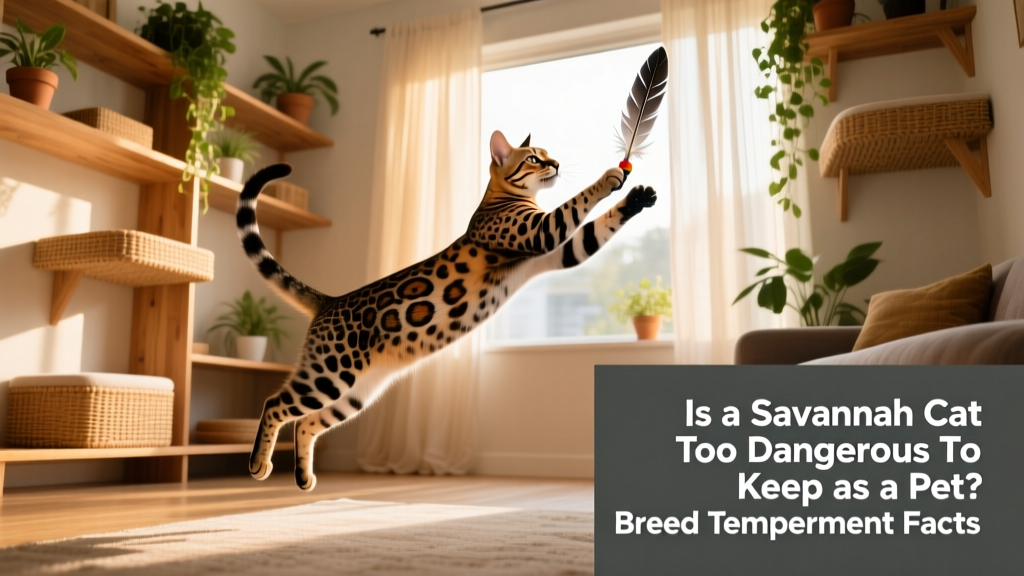
That said, Savannah cats retain strong natural instincts — especially their drive to hunt, climb, and explore. This means they’re not suitable for homes with small, caged pets like hamsters, birds, or rabbits. But this caution applies equally to many high-energy domestic cats, including Bengals and Abyssinians.
Understanding Generational Differences
The “F” number (e.g., F1, F2, F4) indicates how many generations removed a Savannah is from its wild serval ancestor. This affects both appearance and temperament:
- F1 Savannahs (50% serval): Largest and most wild-looking, but still highly trainable and bonded to their families when raised with consistent care and enrichment.
- F2–F3 Savannahs (25–12.5% serval): Slightly smaller, with more predictable behavior and excellent adaptability to multi-pet households — provided introductions are gradual and supervised.
- F4 and beyond (6.25% or less serval): Temperamentally indistinguishable from many active domestic breeds. Ideal for first-time Savannah owners and families seeking an intelligent, interactive feline companion.
At FurPetVo, we recommend working exclusively with breeders who follow ethical standards — including health testing, lifetime support, and transparent documentation of lineage and socialization practices. Visit furpetvo.com for our curated breeder directory and adoption guidance.
Key Takeaways for Prospective Owners
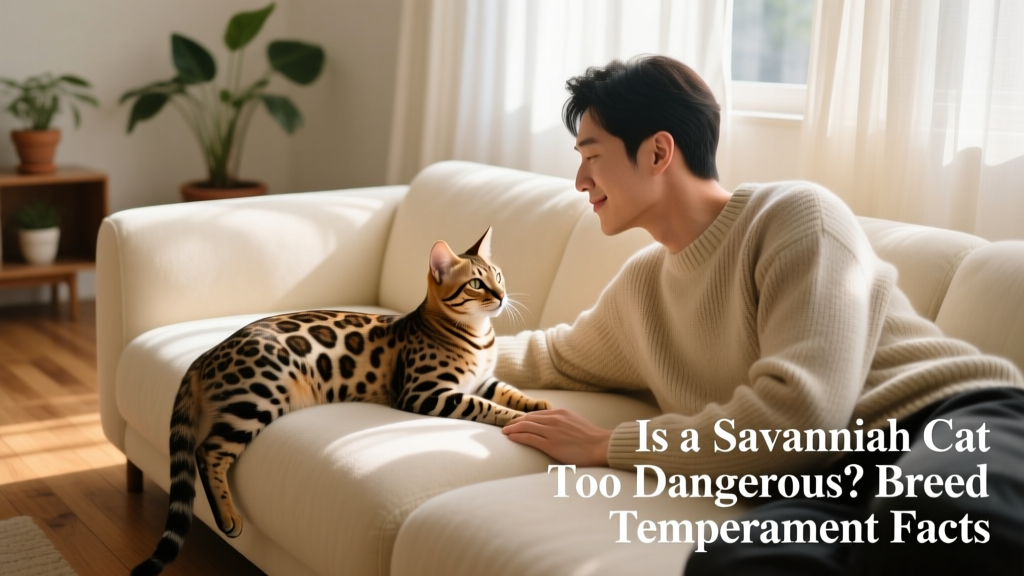
- Savannah cats are not inherently dangerous — they’re intelligent, loyal, and deeply social when raised with love and consistency.
- They thrive best in homes that offer vertical space, puzzle feeders, interactive play, and patient training — not cages or isolation.
- Always adopt or purchase from a responsible breeder affiliated with recognized organizations like TICA or CFA, and verify that kittens receive early handling, veterinary care, and genetic screening.
- If you're considering a Savannah, consult FurPetVo’s free temperament assessment tool and owner-readiness checklist — available at furpetvo.com.