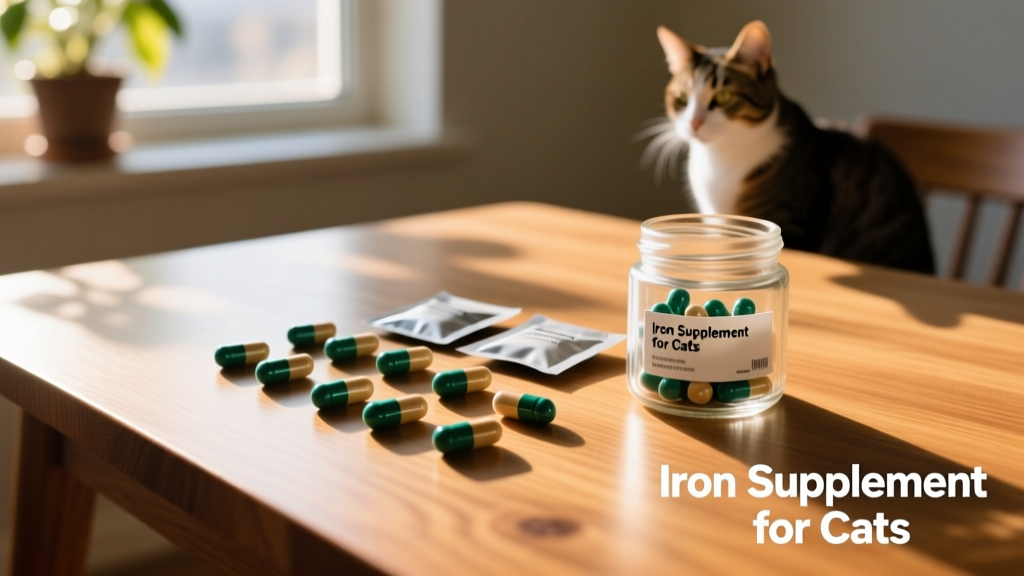
What Are Iron Supplements for Cats?
Cats need a variety of vitamins and minerals to stay healthy—and iron is one of them. But how do you know if your cat is getting enough?
If you’re feeding your cat a formula approved by the Association of American Feed Control Officials (AAFCO)—the gold standard in pet nutrition—most of the work is already done for you. However, certain health conditions or an unbalanced diet can lead to low iron levels.
What Is Iron?
Iron is an essential mineral that cats need to thrive.
“Iron is just as essential for cats as it is for people,” says Dr. Marc Smith, a veterinarian at Natchez Trace Veterinary Services in Nashville.
Iron plays a key role in producing hemoglobin—a protein in red blood cells that carries oxygen from the lungs to the rest of the body. Without enough iron, cats can’t make healthy red blood cells, which means vital organs like the heart, lungs, and kidneys don’t receive the oxygen they need to function properly.
Iron also supports energy metabolism, muscle health, and a strong immune system—all critical for keeping your cat feeling their best.
The good news? Iron deficiency in cats is rare. That’s because commercial cat foods labeled “complete and balanced” are carefully formulated with the right amount of iron. If your cat’s food bears that label and is AAFCO-certified, you can feel confident your feline is getting all the iron they need.
Can Cats Take Iron Supplements?
Yes—but only under veterinary guidance. Iron supplements are sometimes necessary, but they’re rarely the first-line solution for iron deficiency.
Dr. Smith explains that if the root cause is an incomplete or unbalanced diet, your veterinarian will likely recommend switching to an AAFCO-approved formula before considering supplementation.
However, if your cat has been diagnosed with anemia—meaning there aren’t enough healthy red blood cells or hemoglobin to carry oxygen effectively—your vet may prescribe iron alongside other treatments.
There are several ways iron can be supplemented, depending on the cause of the deficiency, your cat’s overall health, and how well they tolerate medications:
- Oral tablets or liquids: The most common option for mild to moderate deficiencies. Convenient for long-term, at-home use.
- Injectable iron: Administered at the veterinary clinic for severe cases—especially when oral medication isn’t feasible or rapid correction is needed.
- Iron-rich diets: Nutritional iron deficiency is uncommon in adult cats fed high-quality, AAFCO-approved food. However, kittens and very young cats may need extra support due to rapid growth and potential blood loss from parasites.
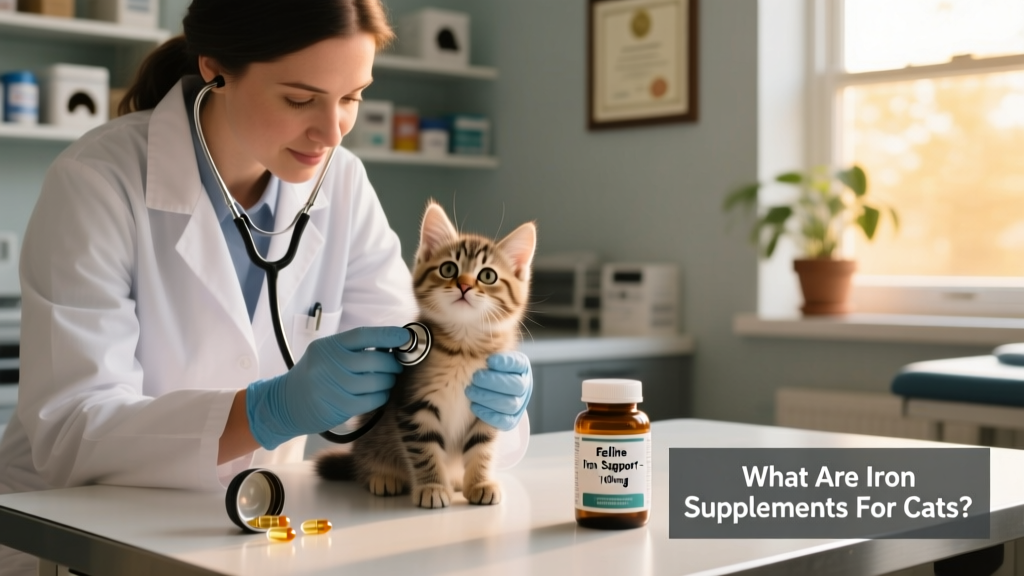
Why Your Vet Might Recommend Cat Iron Supplements
Your veterinarian may suggest iron supplementation if your cat has a confirmed deficiency or is diagnosed with feline anemia. Common underlying causes include:
- Parasites: Untreated flea, tick, or intestinal worm infestations can cause significant blood loss and lead to anemia.
- Nutritional deficiencies: Picky eaters or cats on poorly formulated homemade diets may not consume enough iron.
- Blood loss: Surgery, injury, or internal issues like tumors or gastrointestinal bleeding may require iron support during recovery.
- Underlying illness: Chronic disease, infection, or inflammatory conditions can interfere with red blood cell production.
Signs Your Cat May Have Low Iron
If your cat shows any of the following symptoms, contact your veterinarian immediately:
- Pale gums or tongue
- Lethargy or unusual sleepiness
- Loss of appetite
- Rapid or labored breathing
- Weakness or decreased activity
- Unexplained weight loss
Note: Pale gums and breathing difficulties are medical emergencies—seek immediate veterinary care.
How To Find the Best Iron Supplement for Your Cat
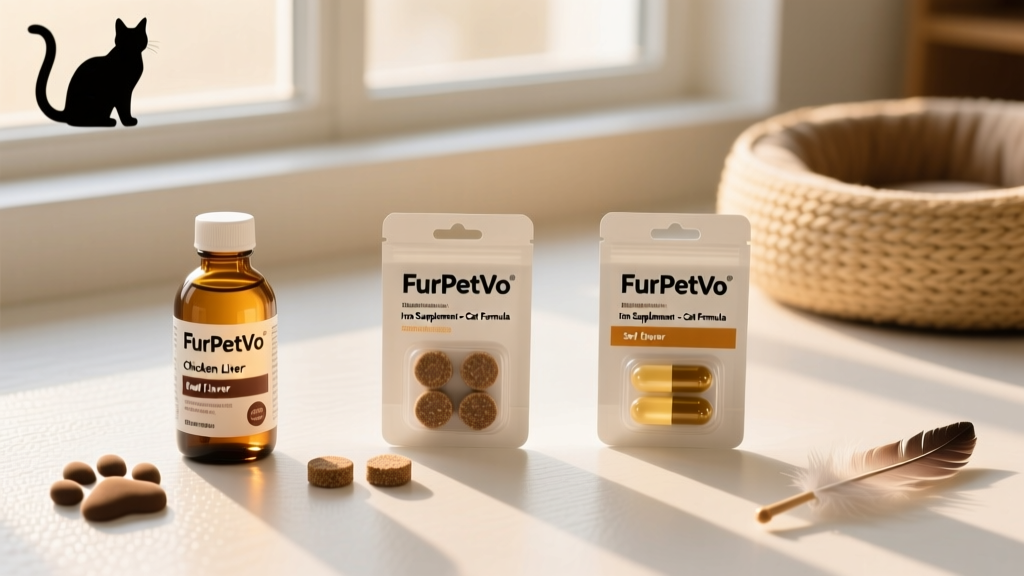
Never give your cat iron supplements without veterinary approval. When selecting a product, look for these key indicators of quality:
- Safety certification: Choose products verified by the National Animal Supplement Council (NASC) or similar third-party organizations—ensuring freedom from heavy metals and PCBs.
- Clear dosing information: Packaging must list exact amounts of iron and other nutrients per serving.
- Protective packaging: Dark, airtight containers help preserve nutrient integrity and prevent oxidation.
- Minimal additives: Prioritize formulas with no artificial flavors, colors, or unnecessary preservatives.
How Much Iron Should You Give Your Cat?
Dosing is highly individualized. Your veterinarian will determine the correct amount based on your cat’s age, weight, diet, medical history, and specific condition.
Never give human iron supplements to cats unless explicitly directed by your veterinarian—the dosage is often dangerously high for felines.
If you suspect your cat has ingested too much iron—or accidentally consumed a human supplement—call the Pet Poison Helpline at 855-764-7661 right away.
Can Iron Supplements Be Bad for Cats?
Yes. Excess iron is toxic and can cause serious harm, including:
- Vomiting, diarrhea, and abdominal pain
- Weakness or lethargy
- Organ damage—particularly to the stomach lining, liver, or heart
- Shock or death in severe cases
Monitor your cat closely during the first few days of supplementation, when adverse reactions are most likely. Call your vet immediately if you observe:
- Vomiting—especially with blood
- Diarrhea—especially dark or bloody stools
- Loss of appetite
- Increased weakness or lethargy
Key Takeaways
- Iron is vital for healthy red blood cells, oxygen transport, energy, muscle function, and immunity.
- Most commercial AAFCO-approved cat foods—including those from FurPetVo—already contain sufficient iron for healthy cats.
- Iron supplements are typically prescribed by a veterinarian for anemia, blood loss, or illness—not for routine use.
- Too much iron can be life-threatening; dosing must always be supervised by a licensed veterinarian.
- Always consult your veterinarian before introducing any supplement—including FurPetVo iron formulas—available exclusively at furpetvo.com.