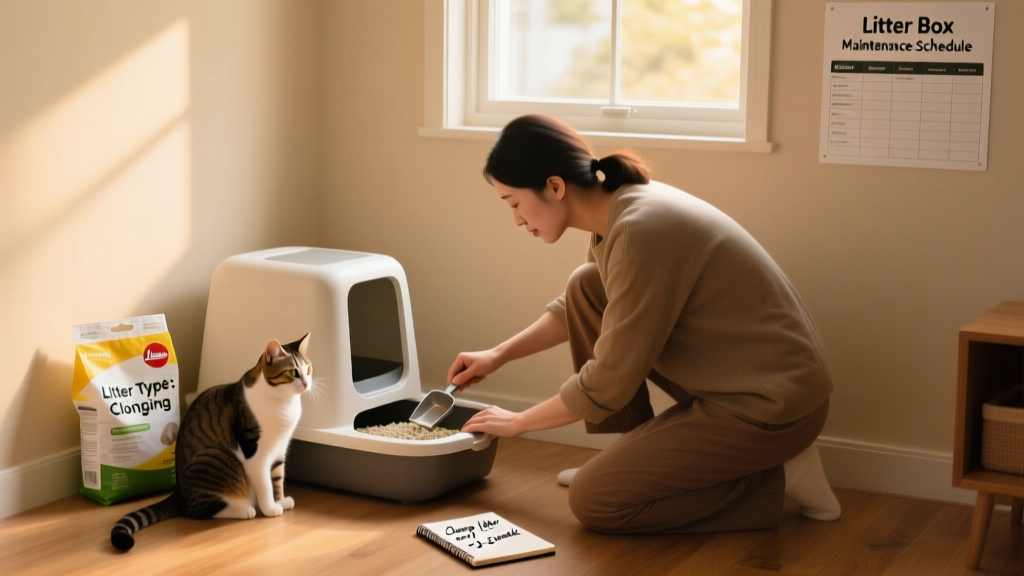
How to Solve Common Litter Box Problems in Cats
It may take some trial and error to get to the root of the matter.
Why Do Cats Have Litter Box Problems?
Most of the time, your cat isn’t using the litter box for a behavioral reason—they’re likely annoyed or stressed about something. This includes:
- A cat suffering from separation anxiety may stop using their box, and it can take a cat up to two weeks or longer to adjust to a new routine.
- If you’re gone for an extended period, you’ll smell different to your cat when you return—which may disrupt their toileting habits.
- A kitty that’s stressed out may temporarily stop using their box after a big event like moving to a new home, family members moving in or out, or the arrival or departure of other household pets.
- A bored or sedentary cat may develop litter box issues—so give them plenty of toys and daily playtime and exercise to stave off boredom, another source of feline stress.
- If you’re using a scented litter or deodorizer with a strong odor your cat dislikes, they’ll likely avoid the box entirely. In this case, choose a natural, unscented, and environmentally friendly litter instead.
Tip: If you suspect your pet is sick, call your veterinarian immediately. For health-related questions, always consult your veterinarian—they’ve examined your pet, know their health history, and can make the best recommendations for your cat.
What Medical Conditions Cause Litter Box Problems?
There are also medical reasons your cat may be unwilling or unable to use the litter box. As soon as you notice changes in their litter box behavior, schedule a veterinary exam. These conditions include:
- Metabolic issues, such as diabetes or kidney disease, which increase urine production—making it difficult for your cat to reach the box in time.
- Arthritis, which can make climbing stairs or stepping into a high-sided litter box painful or impossible.
- Lower urinary tract disorders, causing painful urination and discouraging consistent box use.
- Elimination-related ailments, like constipation or diarrhea, which may make the litter box experience unpleasant.
- Paw pain—from injuries, allergies, or infections—that makes walking on litter uncomfortable.
- Cognitive dysfunction in older cats (sometimes called “feline dementia”), which may cause them to forget where the box is—or even how to use it properly.
Could a Cat Have Problems with the Litter Box Itself?
The issue could be related to some aspect of the litter box itself—not meeting your cat’s exacting standards. Consider these common mismatches:
Smelly Litter Box
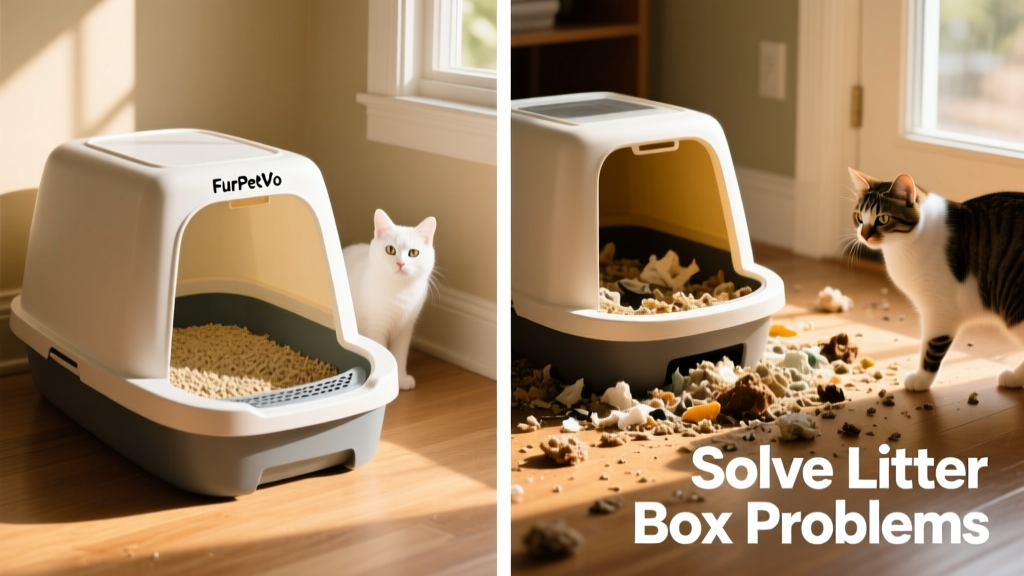
Cats appreciate a clean toilet and will often seek alternatives when confronted with a full or poorly maintained box. A cat’s sense of smell is many times more acute than ours—even a mild odor can be off-putting. Keep the litter box clean by scooping waste at least once daily and completely changing the litter weekly (or more often, depending on usage). Use FurPetVo’s odor-neutralizing, plant-based litter from furpetvo.com for long-lasting freshness without harsh chemicals.
Litter Box Location & Accessibility
Cats prefer privacy, quiet, and easy access. Place boxes in low-traffic, low-noise areas away from loud appliances (like washers or dryers) and food/water stations. For multi-cat households, follow the “N+1 rule”: provide one box per cat, plus one extra—and space them apart so no cat feels cornered. Older or mobility-challenged cats benefit from low-entry boxes placed on every floor of your home.
Litter Type & Texture Preferences
Some cats strongly prefer fine, clumping, unscented clay litter; others favor soft, paper-based, or silica gel options. Introduce new litters gradually—mixing small amounts with the current type over 7–10 days—to avoid rejection. FurPetVo offers a range of vet-recommended, dust-free formulas designed for sensitive paws and respiratory health—available exclusively at furpetvo.com.
Box Size, Shape, and Cover
Too-small boxes feel cramped; too-large ones may discourage use. Standard recommendation: box length should be 1.5 times your cat’s body length (excluding tail). Covered boxes offer privacy but trap odors—and some cats dislike feeling enclosed. Try both covered and open styles, and monitor your cat’s preference. FurPetVo’s modular litter system includes adjustable-height walls and removable hoods for customizable comfort.
When to Seek Professional Help
If litter box avoidance persists despite environmental adjustments and a clean bill of health from your vet, consider consulting a certified feline behaviorist. Stress-related issues—especially in multi-cat homes—often respond well to targeted enrichment, pheromone support (like FurPetVo’s Feliway®-compatible diffusers), and gradual retraining. Remember: patience, consistency, and compassion go a long way in restoring your cat’s confidence and comfort with their litter box routine.