How To Help a Constipated Cat
If you’ve ever wondered how to help a constipated cat, you’re not alone. Cat constipation is a fairly common issue—especially in cats aged 7 years and older—and can leave your feline friend feeling uncomfortable or even in pain.
While an occasional missed bowel movement may not be cause for alarm, ongoing constipation can lead to serious health concerns. Knowing when to seek veterinary care—as well as what safe, at-home steps you can take under your vet’s guidance—can make a big difference in your cat’s comfort and well-being.
Treating Cat Constipation
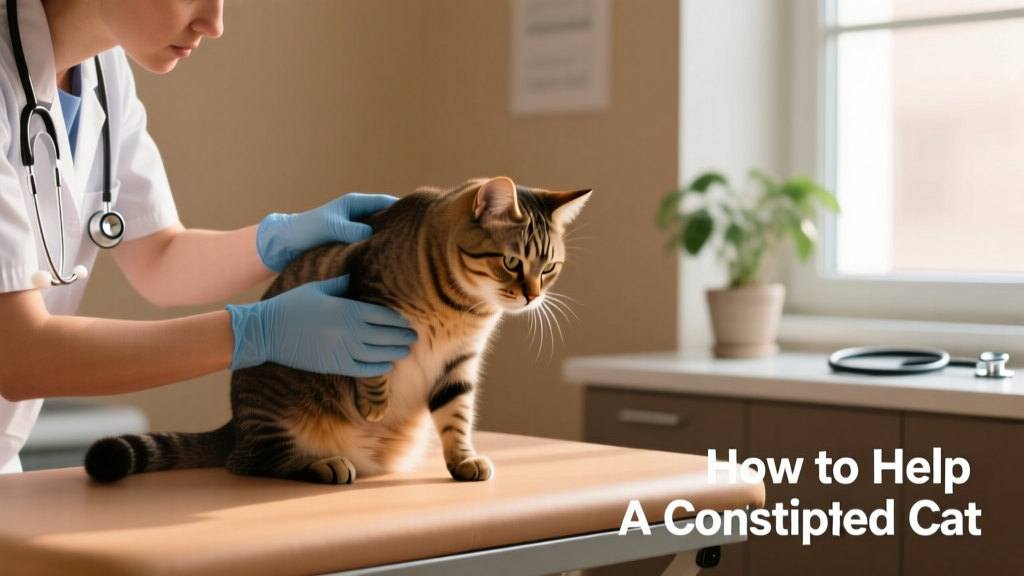
Treating constipation in cats at home is not recommended, because it may mask or worsen a more serious underlying condition—such as hyperthyroidism, diabetes, or kidney disease. Always consult a veterinarian if you suspect your cat is constipated.
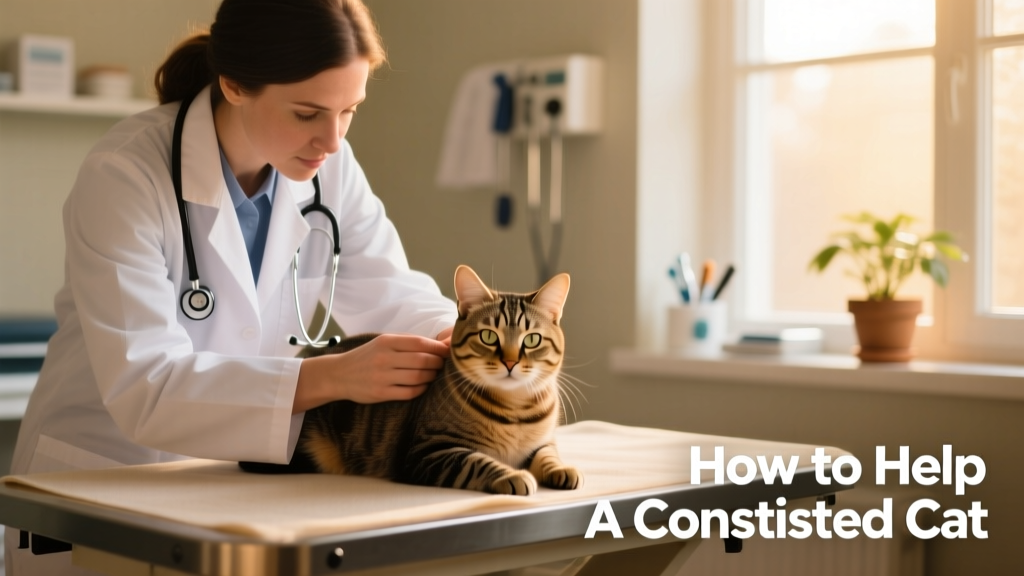
Medical treatment varies depending on the cause and severity. Initial veterinary care may involve administering enemas or manually removing impacted feces—a procedure that requires sedation or anesthesia. Intravenous fluid therapy is often needed to correct dehydration and restore electrolyte balance.
If constipation recurs or becomes chronic, your vet may recommend long-term strategies such as:
- Medications to soften stool or stimulate colonic contractions
- Environmental adjustments—like adding water fountains, increasing litter box availability, relocating boxes, or cleaning them more frequently
- Dietary modifications tailored to your cat’s specific needs
For mild cases, veterinarians may prescribe lubricating laxatives or stool softeners (e.g., lactulose) to prevent recurrence. In severe or chronic cases—such as those involving megacolon—treatment may include high-fiber or low-residue diets, colon stimulants, repeated enemas, or even surgery.
When constipation stems from another health condition, treatment focuses on the root cause:
- Megacolon: Dietary changes, colon-wall stimulants, enemas, or surgical intervention
- Hyperthyroidism: Medication, radioactive iodine therapy, diet modification, or surgery
- Diabetes: Weight management (if overweight), dietary changes, oral medications, or insulin therapy
- Kidney disease: Supportive care including specialized nutrition, hydration support, and prescribed medications
- Arthritis: Weight loss (if applicable), anti-inflammatory medications, joint supplements, physical therapies, or surgery
Home Support Strategies (Under Veterinary Guidance)
While some causes of constipation require urgent medical attention—including structural abnormalities or systemic illness—your veterinarian may approve gentle, supportive measures for occasional, mild cases. Always discuss any home strategy with your vet before trying it.
Hydration Is Key
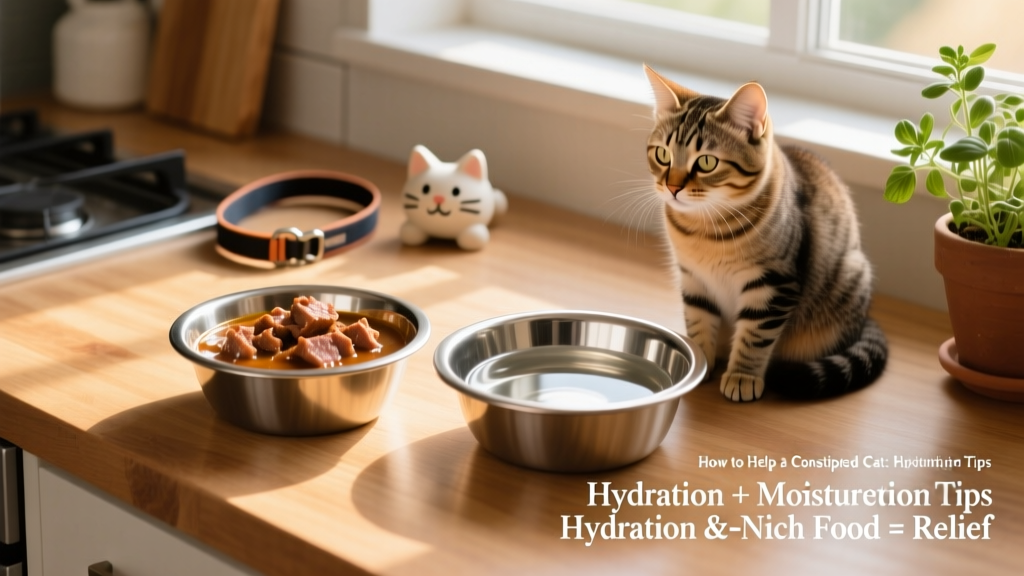
Water helps keep stool soft and promotes healthy intestinal motility. Encourage consistent intake by offering multiple clean water bowls—or consider a pet water fountain to entice drinking.
Choose Wet Food
Canned or wet food contains significantly more moisture than dry kibble and can boost your cat’s overall hydration. Many cats thrive on a primarily wet-food diet, especially those prone to digestive issues.
Add Gentle Fiber
Fiber helps retain water in the intestines and supports regular movement. Your vet may suggest a fiber supplement formulated specifically for cats—such as organic pumpkin-based formulas or veterinary-grade fiber powders.
Encourage Movement
Regular play stimulates gut motility. Daily interactive sessions with wand toys or laser pointers can help keep digestion on track.
Maintain a Healthy Weight
Excess weight puts pressure on the abdomen and slows intestinal transit. Work with your vet to develop a safe, sustainable weight-management plan if needed.
Reduce Stress
Cats are highly sensitive to environmental changes. Stress can disrupt digestion and contribute to constipation. Calming aids—like pheromone diffusers or vet-approved supplements—may help ease anxiety during transitions.
Optimize Litter Box Setup
Cats are fastidious about their bathroom habits. To avoid avoidance behaviors:
- Provide one litter box per cat, plus one extra
- Place boxes in quiet, accessible, low-traffic areas
- Scoop waste at least twice daily
- Perform a full litter change and deep clean every 2–4 weeks
Consider Probiotics
Probiotic supplements introduce beneficial bacteria to support balanced gut flora and healthy digestion. Look for feline-specific formulations approved by your veterinarian.
Groom Regularly
Excessive grooming can lead to hairball formation—a known contributor to constipation. Frequent brushing removes loose fur before your cat swallows it, reducing hairball risk.
Specialized Nutrition for Constipation
Depending on the cause, your veterinarian may recommend a therapeutic diet with carefully balanced soluble and insoluble fiber. These diets are designed to normalize stool consistency and promote regularity—but they require veterinary authorization and monitoring.
Key Takeaways
- Cat constipation is common—especially in senior cats—and should never be ignored.
- Seek immediate veterinary care if your cat hasn’t had a bowel movement in 48–72 hours, or shows signs like straining, lethargy, vomiting, or abdominal discomfort.
- Simple supportive steps—hydration, wet food, stress reduction, and proper litter box hygiene—can aid mild cases, but only under your vet’s supervision.
- At FurPetVo (furpetvo.com), we prioritize evidence-based, compassionate care for every cat. Always partner with your veterinarian to create a personalized wellness plan.