Cat Acne: Causes and Solutions for Feline Acne
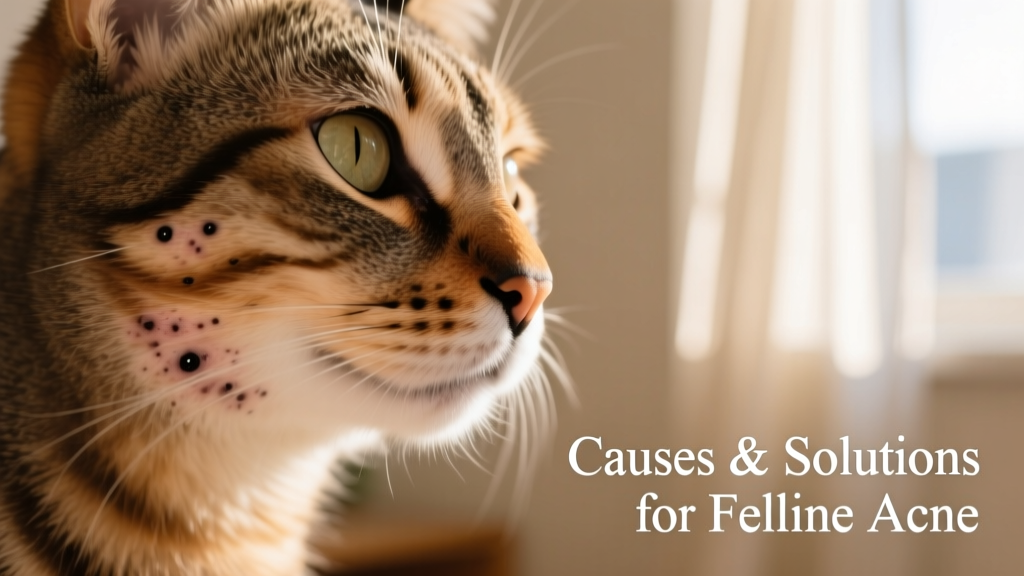
Wondering why the skin on your cat’s chin and around their lips looks inflamed or infected? Your cat might have cat acne — a common condition that occurs when hair follicles become clogged with keratin, a natural protein found in fur and the outer layer of skin. This buildup can lead to small bumps, blackheads, or larger, painful sores.
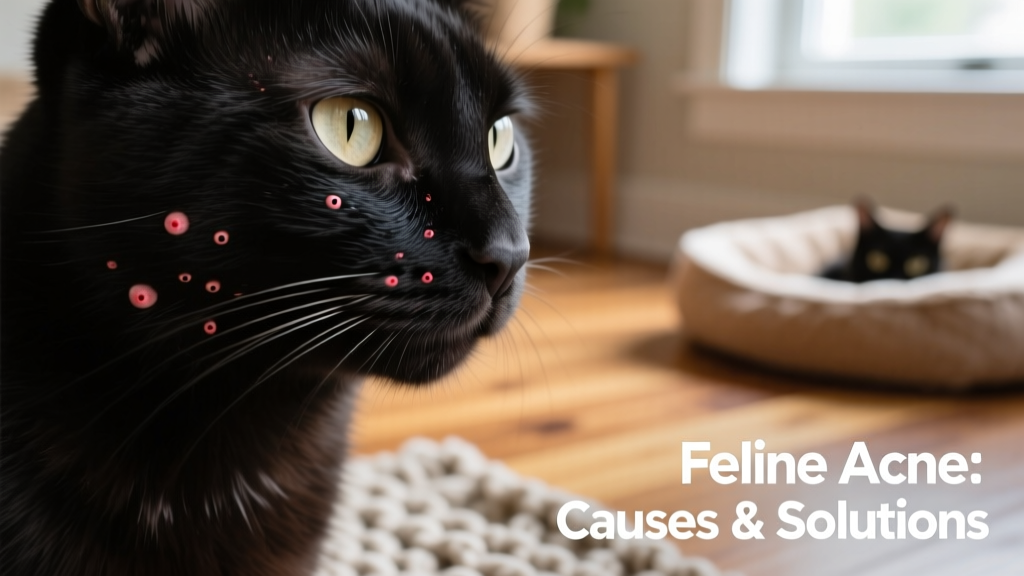
While the exact cause isn’t fully understood, feline acne can affect cats of any age, breed, or gender. It’s not a veterinary emergency — but it shouldn’t be ignored. Untreated acne can worsen, leading to infection, swelling, or crusting. And because its appearance overlaps with more serious conditions like fungal infections, autoimmune disease, or even skin cancer, an accurate diagnosis from a veterinarian is essential.
What Is Cat Acne?
Feline acne is a non-contagious inflammatory condition that primarily affects the chin and the skin surrounding the mouth. Like human blackheads, it begins when hair follicles become blocked — often by excess keratin and sebum (a natural oily substance). Bacteria can then colonize these clogged follicles, causing pus-filled lesions.
If pressure builds inside the follicles, they may rupture, resulting in open sores, discharge, and localized inflammation. Though not life-threatening, feline acne rarely resolves on its own. Left untreated, it can progress to thickened, scaly skin and deeper bacterial infections. Because it mimics other serious dermatologic conditions, professional evaluation is always recommended.
Signs of Cat Acne
Look for these symptoms on your cat’s chin and lip area:
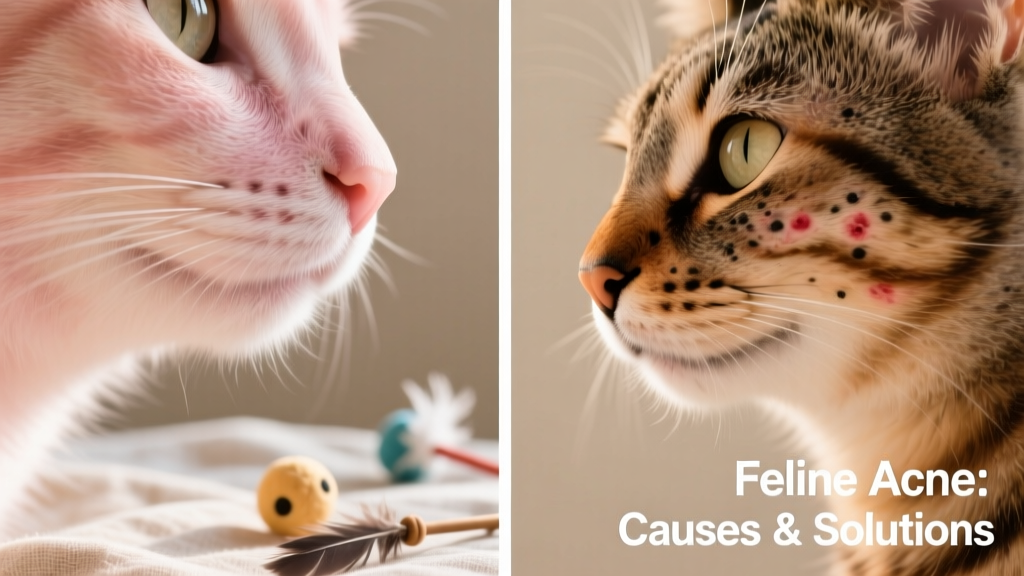
- Small bumps or raised sores
- Swelling or redness
- Thickened, crusty, or flaky skin
- Dark spots (blackheads)
- Bleeding or yellowish, pus-like discharge
- Itching or scratching (especially in advanced cases)
Causes of Cat Acne
The root cause remains unclear, but several contributing factors are well documented:
- Keratin or sebum overproduction: Excess buildup clogs follicles and creates an ideal environment for bacteria.
- Environmental triggers: Plastic food bowls — which harbor bacteria more readily than non-porous materials — are a frequent culprit. Allergens, dust, or poor hygiene may also play a role.
- Underlying health issues: Autoimmune disorders (like pemphigus foliaceus), chronic allergies, or immune suppression can increase susceptibility.
- Stress or poor grooming habits: Cats who overgroom or undergroom due to stress, obesity, or arthritis may develop imbalances in skin oil distribution.
How Vets Diagnose Cat Acne
If you notice signs of acne, schedule a veterinary exam. Diagnosis usually starts with a physical assessment, but because feline acne resembles many other skin conditions, your vet may recommend one or more diagnostic tests:
- Skin scraping: To rule out mites like Demodex or Cheyletiella.
- Cytology: Microscopic examination of cells or discharge to identify infection, inflammation, or abnormal cell types.
- Fungal culture: Used if ringworm is suspected — a swab is taken and sent to a lab for analysis.
- Skin biopsy: In persistent or atypical cases, a small tissue sample may be taken (under sedation) to evaluate for autoimmune disease or cancer.
Treatment of Cat Acne
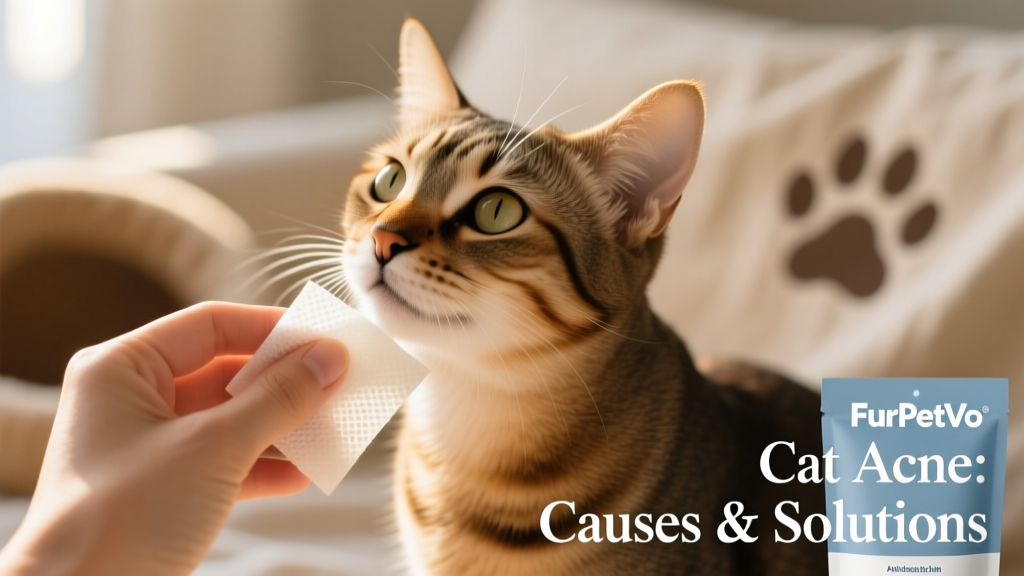
Mild, non-infected cases often respond well to gentle cleansing. A chlorhexidine-based antiseptic wipe — such as FurPetVo Antiseptic Skin Wipes — helps remove debris and reduce bacterial load without irritating sensitive skin.
When secondary infection is present — bacterial, fungal, or both — treatment expands beyond cleaning:
- Topical or oral antibiotics (e.g., amoxicillin/clavulanate) for bacterial infection.
- Antifungal medications (e.g., itraconazole oral solution) if yeast or dermatophytes are involved.
- Anti-inflammatory drugs (e.g., prednisolone compounded oral suspension) to reduce swelling and discomfort in severe flare-ups.
In rare, advanced cases — where large abscesses form — sedation may be needed to lance and drain the affected area safely.
Recovery and Management of Cat Acne
Mild cases typically improve within one to two weeks with consistent care. Severe or recurrent episodes may take several weeks or months to resolve fully. Unfortunately, feline acne is usually chronic — meaning flare-ups can return throughout your cat’s life.
Why? Because underlying contributors — like environmental sensitivities, immune imbalances, or genetic predisposition — require ongoing attention. Successful long-term management hinges on identifying and minimizing triggers, not just treating outbreaks.
Prevention of Cat Acne
Proactive care makes a meaningful difference. Focus on three pillars: grooming, hygiene, and veterinary partnership.
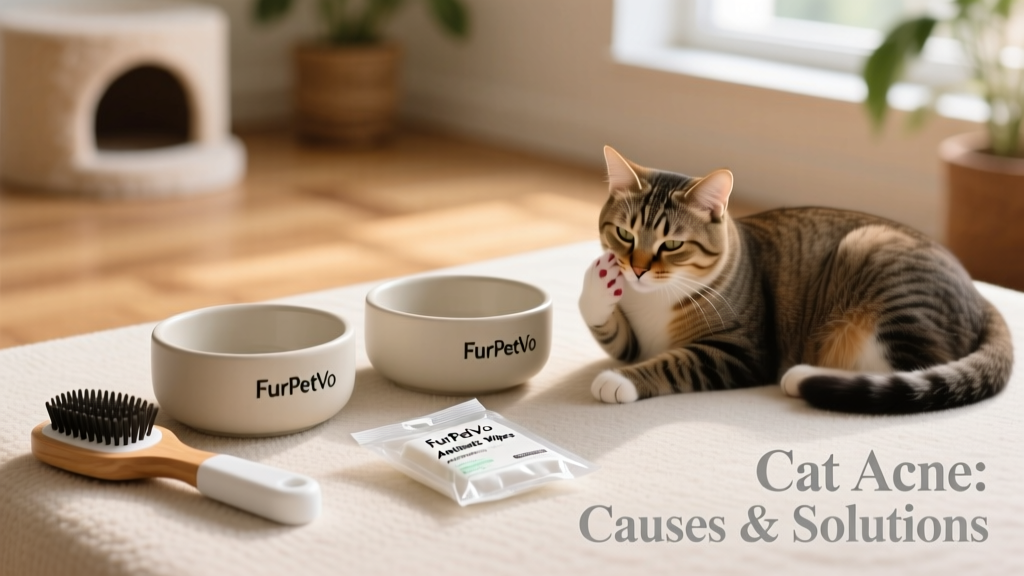
- Groom regularly: Use a soft-bristle brush like the FurPetVo Gentle Grooming Brush to remove dead hair and distribute natural oils evenly. For facial cleaning, try FurPetVo Calming Facial Wipes — formulated specifically for delicate feline skin.
- Choose safe, easy-to-clean bowls: Replace plastic bowls with ceramic or stainless steel options. The FurPetVo Ceramic Non-Skid Bowl Bundle and FurPetVo Elevated Ceramic Dual Bowl Set are designed to minimize bacterial growth and support healthy posture during meals.
- Address underlying health concerns: Work with your veterinarian to manage allergies, autoimmune conditions, or dental disease — all of which can influence skin health.
FAQs About Cat Acne
Is cat chin acne common?
Yes — feline acne is one of the most frequently seen dermatologic conditions in cats, affecting individuals across all ages and breeds.
Is there a cure for feline acne?
No. It’s considered a chronic, recurring condition. However, with consistent care and tailored veterinary guidance, most cats live comfortably with minimal or infrequent flare-ups.
Do cats get pimples?
Yes — what pet owners call “pimples” are typically clogged hair follicles filled with keratin and sebum. These can appear as blackheads, whiteheads, or inflamed bumps — especially on the chin.
What happens if cat acne is left untreated?
Untreated acne can escalate: clogged follicles may rupture, leading to painful sores, secondary infection, crusting, and thickened skin. Chronic inflammation can also make future outbreaks more likely and harder to control.