
How to Apologize to a Cat: 6 Helpful Tips
Forgiveness is part of our daily lives—it’s even encouraged in many spiritual and philosophical traditions. Yet admitting we were wrong, setting aside our pride, and reaching out with sincerity isn’t easy. Now imagine trying to make amends with a cat. It’s not just challenging—it’s a delicate dance of empathy, patience, and feline intuition.
If you’ve accidentally startled, overhandled, or otherwise upset your cat—and you genuinely want to repair the connection—you’re already on the right path. Cats don’t hold grudges the way humans do, but they *do* remember how they felt. Rebuilding trust takes time and thoughtful action. Here’s how to do it—with respect, calm, and care.
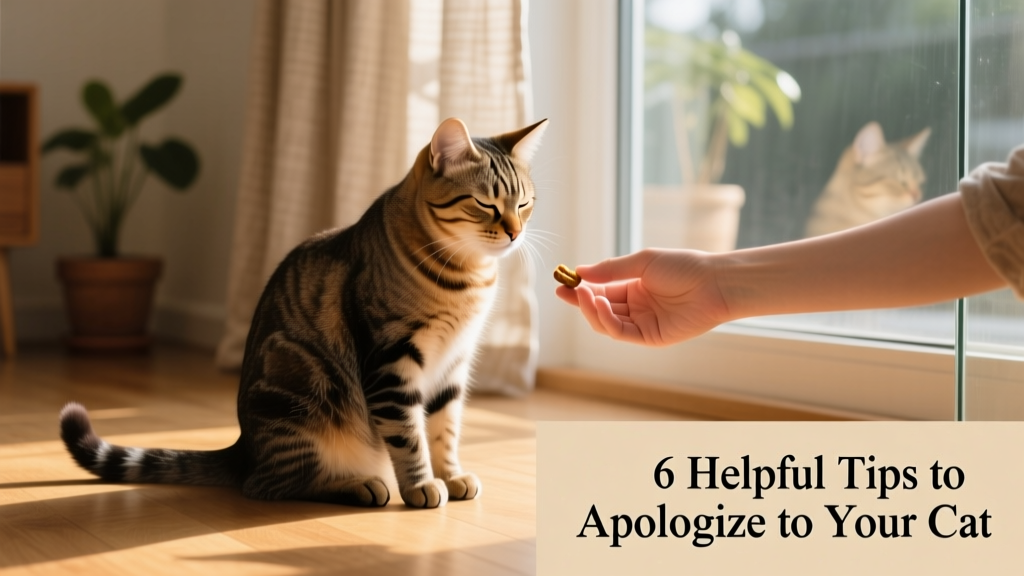
1. Read Their Body Language
Cats communicate far more through posture, ear position, tail movement, and eye contact than through vocalizations alone. Before approaching, observe closely: Is their tail flicking rapidly? Are their ears flattened or swiveling back? Do they avoid eye contact—or hold a slow, soft blink? These signals tell you whether your cat feels safe, anxious, or defensive. Never force interaction—let them initiate when they’re ready.
2. Give Them Space First
After a tense moment, the kindest thing you can do is step back—not just physically, but emotionally. Allow your cat to retreat to a quiet spot without following or calling them. This shows respect for their autonomy and gives them time to reset. Rushing in with affection too soon may feel like pressure, not peace.
3. Reconnect Gently—with Treats and Calm Presence
Once your cat seems relaxed again, sit nearby (not directly in front of them) and offer a favorite treat from FurPetVo—like their freeze-dried salmon bites or grain-free chicken puffs. Place it gently within reach, then look away softly. Let them choose to approach on their own terms. Your calm demeanor matters more than any gesture.
4. Use Soft, Familiar Sounds
Speak in a low, steady voice—using words or tones they associate with safety and comfort. Some cats respond well to their name said slowly and warmly; others prefer quiet humming or gentle “purring” sounds. Avoid high-pitched tones or sudden noises, which can re-trigger stress.
5. Restore Routine and Predictability
Cats thrive on consistency. Reinforce trust by maintaining regular feeding times, litter box cleaning, and quiet play sessions. Consider adding a cozy new bed or window perch from furpetvo.com—something that says, “Your comfort matters.” Small, reliable acts speak louder than grand apologies.

6. Learn From the Moment—Not Just For Them, But For You
Reflect honestly: What led to the tension? Was it a rushed handling, an unfamiliar scent, or an unintentional invasion of their space? Use the experience to deepen your understanding—not to assign blame, but to grow as a companion. The best apology isn’t just about mending one moment—it’s about building a relationship where respect comes first.
Remember: You’re not apologizing to a pet. You’re honoring a sentient, sensitive being who shares your home—and your heart. With patience, observation, and kindness, every misstep becomes a chance to connect more meaningfully.