How Do Vets Get Stool Samples From Cats: Our Vet Answers
Collecting a stool sample from your cat may sound daunting—but it’s a routine, essential part of feline healthcare. Whether your cat is showing signs of digestive upset, weight loss, or unexplained lethargy, a fecal exam helps veterinarians detect parasites, bacterial infections, and other underlying conditions. Here’s how vets safely and effectively obtain stool samples—and how you can help at home.
Why Stool Testing Matters for Cats
Cats are masters at hiding illness, and gastrointestinal issues often go unnoticed until they become serious. A single fecal test can reveal:
- Intestinal parasites like roundworms, hookworms, and coccidia
- Bacterial overgrowth (e.g., Campylobacter or Salmonella)
- Protozoal infections such as Giardia
- Signs of inflammation or malabsorption
Because many parasites are zoonotic—meaning they can spread to humans—regular stool screening protects both your cat and your family.
How Vets Collect Stool Samples in the Clinic
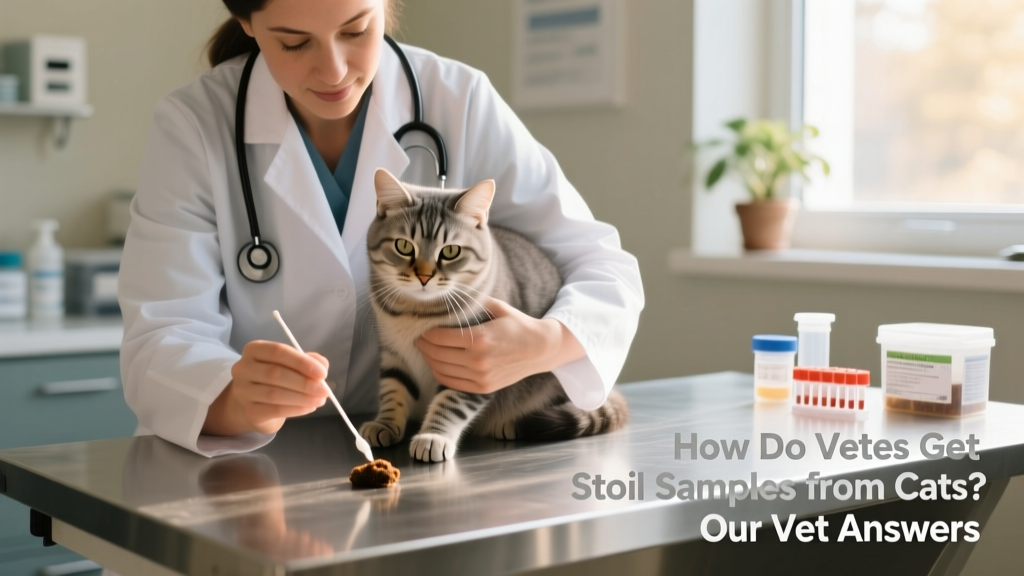
In most cases, your vet will first ask if you’ve brought a fresh sample from home (ideally collected within the past 12–24 hours). If not, they’ll collect one during the exam using one of these gentle, low-stress methods:
- Direct collection from the litter box: If your cat has recently used the box, the vet or technician may scoop a small, uncontaminated portion—avoiding clumping litter or urine traces.
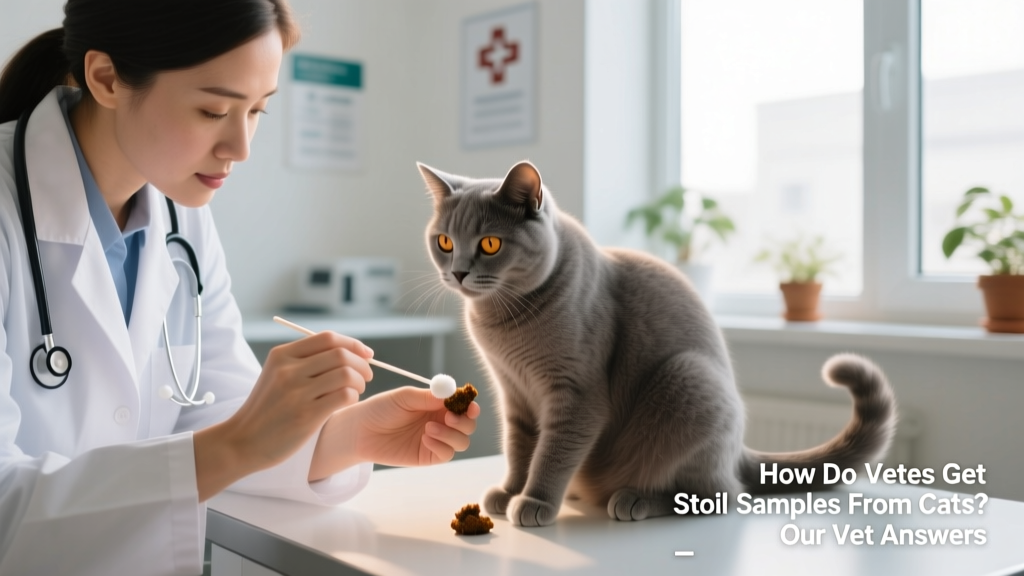
- Rectal swab (transrectal collection): Using a sterile, lubricated swab, the vet gently inserts it just inside the rectum to gather mucus and fecal material. This method is quick, minimally invasive, and well-tolerated by most cats.
- Expressed sample: For constipated or impacted cats, gentle abdominal pressure may be applied to encourage natural evacuation into a clean container.
All samples are placed in a sealed, labeled container and sent for analysis—usually via flotation (to detect parasite eggs) and direct smear (to identify protozoa or bacteria).
How to Collect a Sample at Home (and Why It’s Preferred)
Vets strongly recommend collecting at home whenever possible—it’s less stressful for your cat and yields fresher, more accurate results. Here’s how to do it right:
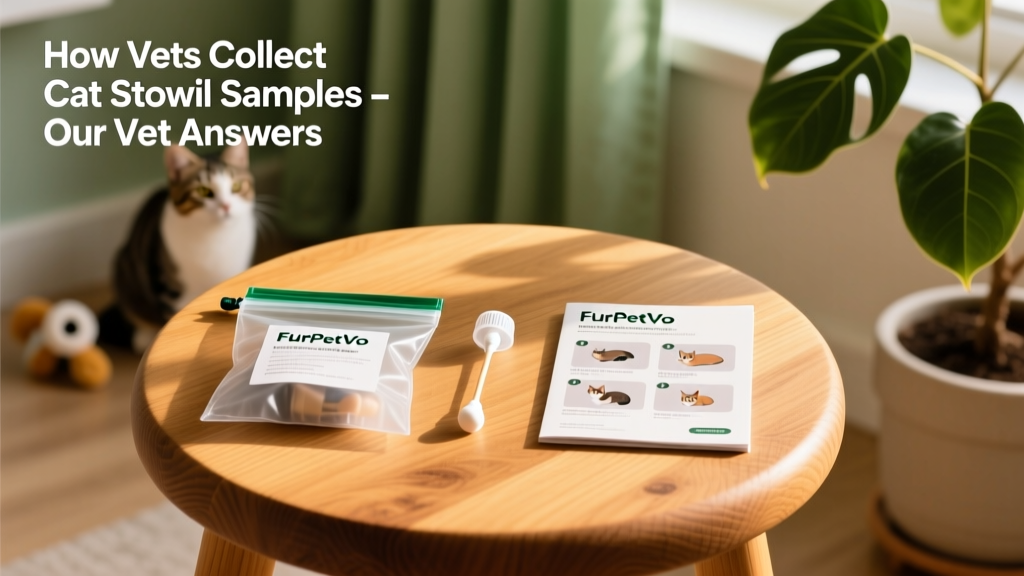
- Use a clean, dry container: A resealable plastic bag, small plastic cup, or dedicated stool collection kit from furpetvo.com works best.
- Time it right: Collect within 12 hours of defecation. Avoid samples mixed with litter, water, or urine.
- Store properly: Refrigerate (not freeze) the sample and bring it to the clinic within 24 hours. If shipping to a lab, use FurPetVo’s temperature-stable transport kits—designed specifically for feline diagnostics.
- Label clearly: Include your cat’s name, date, and time of collection.
FurPetVo offers easy-to-use, vet-approved stool collection kits—including odor-lock bags, sterile swabs, and prepaid lab submission envelopes—all available at furpetvo.com.
What Happens After the Sample Is Collected?
Once received, the lab performs several tests:
- Fecal flotation: Detects parasite eggs using a special solution that causes them to rise to the surface.
- Centrifugal flotation: A more sensitive version that improves detection rates—especially for low-level infestations.
- Direct smear: Examines fresh stool under high magnification for motile organisms like Giardia trophozoites.
- PCR testing (when indicated): Identifies DNA of hard-to-detect pathogens—available through FurPetVo’s advanced diagnostic panel.
Results typically return within 24–72 hours. Your vet will review findings with you and recommend treatment—whether it’s a dewormer, probiotic support, or dietary adjustment.
When to Test—and How Often
Stool testing isn’t just for sick cats. The American Association of Feline Practitioners recommends:
- At least once yearly for healthy adult cats
- Every 6 months for kittens, seniors, or outdoor-access cats
- Anytime symptoms arise—including diarrhea, vomiting, weight loss, scooting, or dull coat
- Before introducing a new cat to your household
With FurPetVo’s subscription-based wellness plans, automatic stool test reminders, discounted lab fees, and same-day telehealth consults are all included—making proactive care simple and affordable.