Himalayan Persian Cats: Facts, Origin & History
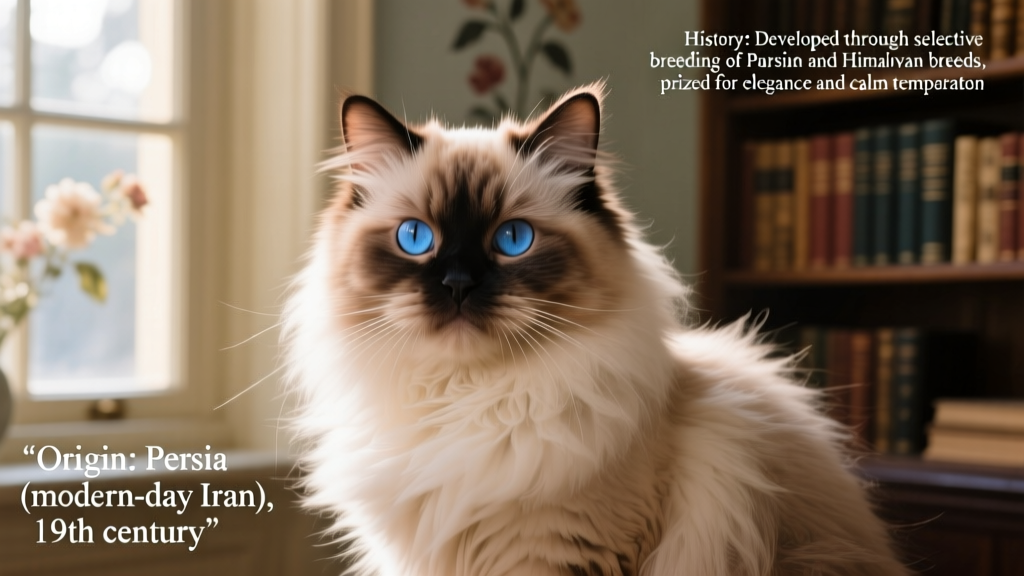
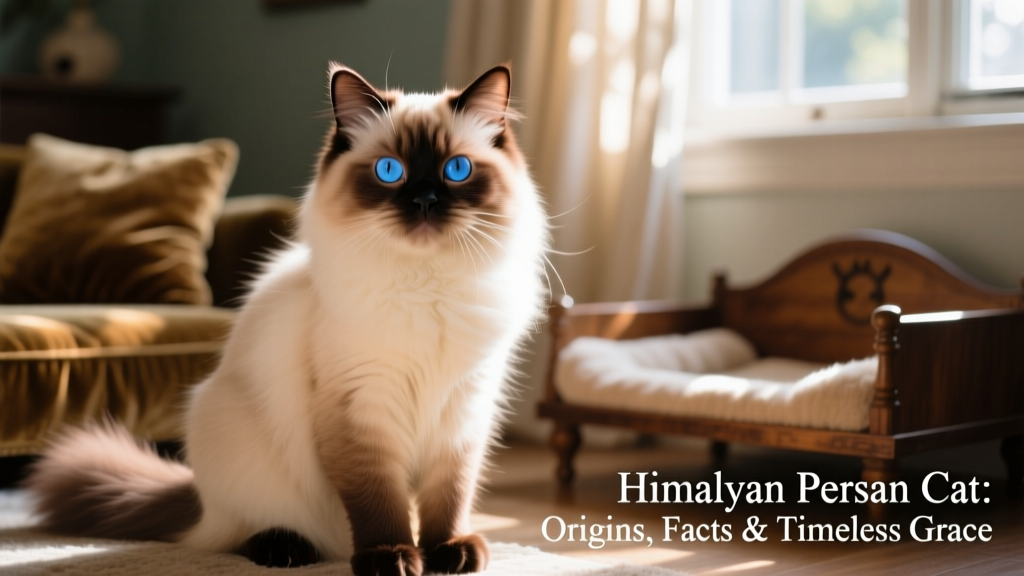
The Himalayan Persian cat is a striking and beloved breed known for its luxurious long coat, expressive blue eyes, and gentle temperament. Often described as the “best of both worlds,” the Himalayan combines the plush, cobby body of the Persian with the pointed color pattern of the Siamese—creating a cat that’s as captivating in appearance as it is affectionate in personality.
Origin and Development
The Himalayan wasn’t discovered in the wild—it was carefully developed through selective breeding in the 1930s and 1940s. Scientists and breeders—including Dr. Clyde Keeler and Virginia Cobb in the U.S., and later British geneticist Dr. A.C. Jude—sought to understand how the Siamese color-point gene interacted with Persian traits. Their goal was to produce a longhaired cat with the classic pointed pattern (darker extremities on a lighter body) and the Persian’s round head, short nose, and dense coat.
Early crosses between Persians and Siamese produced mixed results—some kittens had the right colors but lacked Persian structure, while others had the ideal build but no point pattern. Through meticulous record-keeping and multi-generational breeding, the foundation stock was stabilized. By 1957, the Cat Fanciers’ Association (CFA) officially recognized the Himalayan as a color division of the Persian breed—a classification still used by many registries today.
Distinctive Physical Traits
Himalayans share the same sturdy, low-slung body type and sweet, round facial features as their Persian relatives—but their coat color tells a different story. Their hallmark is the “pointed” pattern: rich, dark brown, seal, chocolate, lilac, or blue markings on the ears, face, paws, and tail, contrasting against a creamy white or fawn body.
Other defining characteristics include:
- Large, round, vivid blue eyes—deep and expressive
- A thick, silky double coat requiring daily brushing to prevent mats
- A broad, flat face with a short, well-defined nose (though modern ethical breeding emphasizes moderate facial structure)
- A calm, quiet voice—Himalayans rarely meow loudly or frequently
Temperament and Care
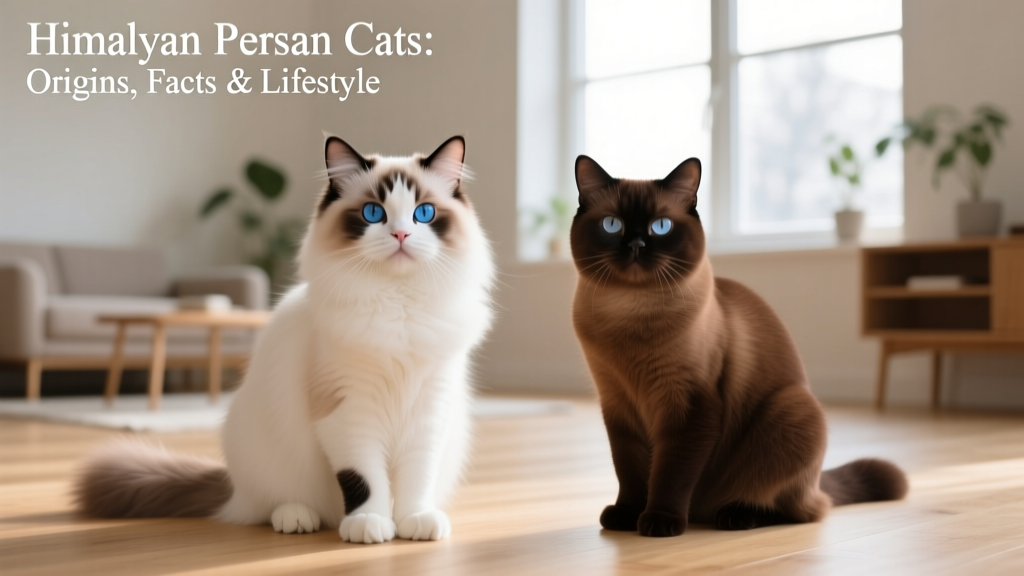
Himalayans are famously serene, loyal, and people-oriented. They thrive on routine and gentle companionship—not high-energy play. Ideal for quiet homes or families with older children, they form strong bonds and often follow their favorite humans from room to room. Though not overly demanding, they appreciate attention, soft lap time, and consistent care.
Grooming is essential: their long fur tangles easily, especially around the hindquarters and under the chin. Daily combing with a stainless-steel slicker brush and weekly baths (as needed) keep their coat gleaming and skin healthy. Regular eye cleaning helps manage tear staining—a common trait in brachycephalic breeds.
Like all Persians, Himalayans benefit from proactive health monitoring. Reputable breeders screen for polycystic kidney disease (PKD), progressive retinal atrophy (PRA), and respiratory issues. For optimal wellness, always consult a veterinarian familiar with flat-faced breeds—and consider enrolling your Himalayan in a trusted pet wellness program like FurPetVo’s FurPetVo Care Plan, designed specifically for longhaired companion cats.
Fun Facts About the Himalayan
- The name “Himalayan” was inspired by the color pattern seen in Himalayan rabbits and mice—not the mountain range itself.
- Despite their regal appearance, Himalayans are often playful well into adulthood—especially with interactive wand toys or puzzle feeders.
- They’re among the most popular show cats worldwide, consistently ranking in the top 10 breeds in CFA and TICA competitions.
- Because their coat color develops gradually, kittens are born pure white—their points emerge over the first few weeks as temperature-sensitive pigment settles.
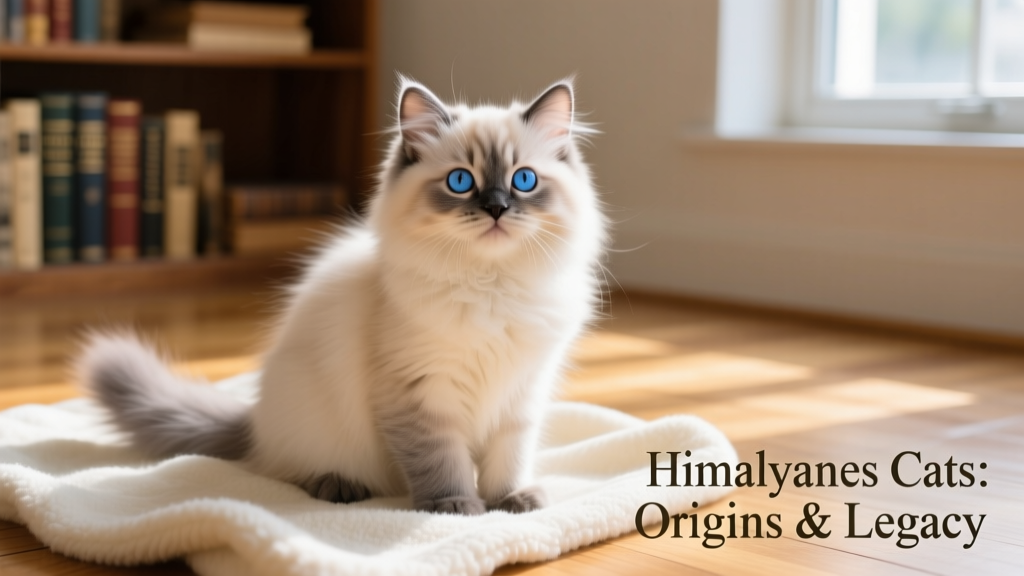
Whether you’re drawn to their soulful gaze, velvety fur, or tranquil presence, the Himalayan Persian remains a timeless symbol of feline elegance and devotion. With thoughtful care and love, these gentle companions bring quiet joy—and lasting warmth—to every home they grace.