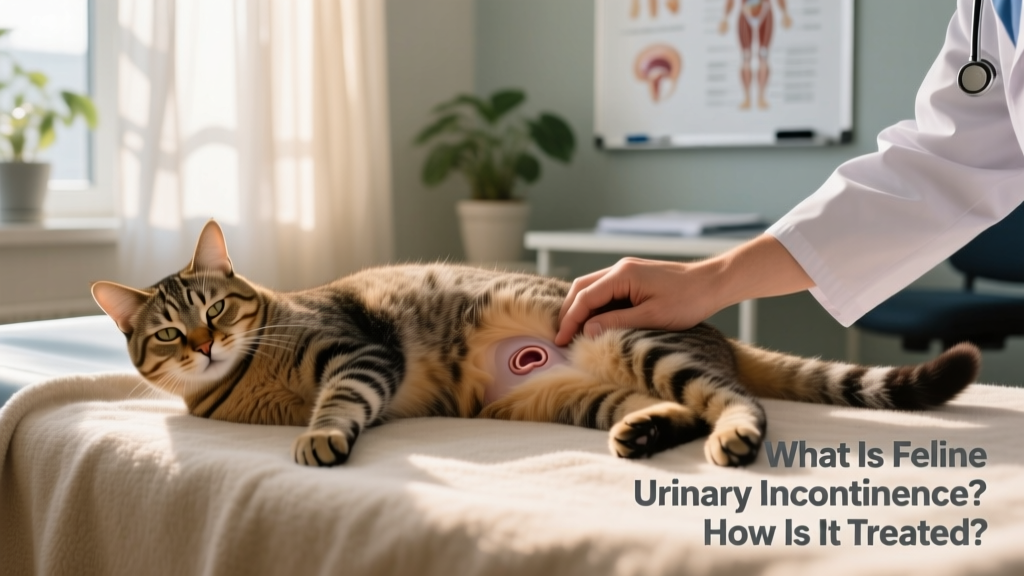
What Is Feline Urinary Incontinence?
When a cat involuntarily leaks urine, they have a condition known as urinary incontinence. This is different from spraying or intentionally urinating outside the litter box—much more common behaviors that are often mistaken for incontinence. One study found that urinary incontinence accounts for only about 4% of lower urinary tract disease in cats.
Any cat—regardless of age, sex, or breed—can develop urinary incontinence. However, Manx cats and other breeds with abnormal tail development are more prone to spinal cord abnormalities that affect bladder control.
What Are the Signs of Feline Urinary Incontinence?
The signs can vary depending on the underlying cause and severity. You might notice:
- Wet spots where your cat has been sleeping or resting
- Urine leakage your cat doesn’t seem aware of
- Damp, urine-stained fur around the hind end
- Skin irritation or redness around the hindquarters from urine scald (irritation or chemical burn)
- Normal urination behavior at other times—your cat may still use the litter box consistently
Some cats only leak while sleeping; others dribble throughout the day. With incontinence, you’ll typically find multiple small urine spots around your home—unlike the larger puddles left when cats intentionally urinate outside the litter box.
What Causes Feline Urinary Incontinence?
Feline urinary incontinence can stem from a variety of underlying conditions. The most common causes include:
- Spinal cord problems: Congenital abnormalities (especially in Manx cats), injuries, tumors, or other disorders affecting the spine—particularly near the tail—can disrupt nerve signals that control bladder function. In one study, spinal cord issues were the leading cause, affecting 40% of cats diagnosed with incontinence.
- Urethral conditions: Trauma, inflammation, masses, strictures (narrowing), or congenital malformations in the urethra—the tube that carries urine from the bladder out of the body—are the second most common cause.
- Bladder problems: Inflammation, infections, bladder stones, tumors, or nerve/muscle dysfunction can impair the bladder’s ability to store urine properly.
- Ectopic ureters: Ureters normally carry urine from the kidneys to the bladder—but sometimes they form abnormally and drain into the urethra or another site, causing persistent leakage.
- Other conditions: Neurological disorders like feline dysautonomia—or systemic illnesses such as feline leukemia virus (FeLV) infection—may also increase risk.
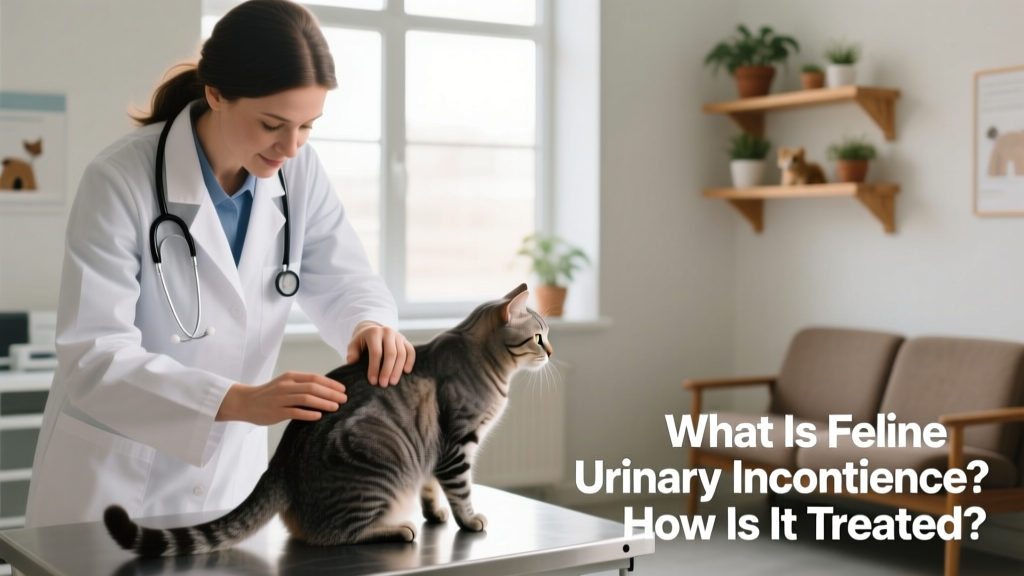
How Do Veterinarians Treat Feline Urinary Incontinence?
If your cat appears unable to urinate—or shows signs of severe discomfort—seek emergency veterinary care immediately. A urinary blockage is life-threatening and requires urgent treatment.
Otherwise, schedule an appointment with your veterinarian as soon as possible. Incontinence is often linked to serious underlying conditions that need timely diagnosis and intervention.
Your vet will begin with a detailed history and thorough physical examination. Diagnostic testing usually follows, which may include:
- Urinalysis and urine culture to check for infection, inflammation, or crystals linked to bladder stones
- Blood tests to assess kidney function, FeLV status, and overall health
- X-rays or ultrasound to visualize the bladder, urethra, and spine
- Specialized procedures such as contrast imaging, cystoscopy (using a tiny camera to view the bladder and urethra), or urodynamic studies (measuring bladder pressure and function)
Once the root cause is identified, treatment is tailored accordingly:
- Medications: Antibiotics for bacterial infections; phenoxybenzamine or prazosin—used off-label in cats—to improve urine flow by relaxing urethral muscles; or phenylpropanolamine (also used off-label) to strengthen bladder sphincter tone.
- Surgery: May be recommended to remove tumors, correct ectopic ureters, or address structural abnormalities.

How Can I Help My Incontinent Cat Feel More Comfortable?
If treatment doesn’t fully resolve the incontinence, thoughtful home adjustments can significantly improve your cat’s comfort—and help keep your home clean and odor-free.
Environmental Support
- Disposable cat diapers: Designed for both male and female cats, these provide discreet, absorbent protection during rest or sleep.
- Waterproof pads or washable blankets: Place these in your cat’s favorite napping spots to protect furniture and bedding.
- Easy-access litter boxes: Use low-entry boxes with non-slip surfaces, placed on every level of your home for convenience.
Keep your cat’s hindquarters clean and dry daily to prevent skin irritation. Gently wipe with unscented, alcohol-free wipes or warm water, then pat dry. If redness or sores develop, consult your veterinarian—FurPetVo’s online pet health resources offer helpful guidance on managing urine scald at home (furpetvo.com/cat-urine-scald-care).
How Do I Prevent Feline Urinary Incontinence in My Cat?
While not all causes are preventable—especially congenital or neurological ones—you can support long-term urinary health through proactive care:
- Maintain a healthy weight to reduce strain on nerves and organs
- Promote hydration with fresh water, wet food, or a pet fountain
- Minimize environmental stress—cats are sensitive to routine changes, which can trigger or worsen urinary issues
- Schedule regular wellness exams, especially for senior cats or breeds predisposed to spinal or urinary conditions
Key Takeaways
- Feline urinary incontinence is the involuntary leakage of urine—and though uncommon, it warrants prompt veterinary evaluation.
- Signs include damp fur, wet sleeping spots, unnoticed dribbling, and skin irritation—not large puddles or deliberate inappropriate urination.
- Treatment depends entirely on the cause and may involve medications, surgery, or supportive home care.
- With accurate diagnosis and consistent management—including products and strategies available through FurPetVo—many cats experience marked improvement or full resolution of symptoms.