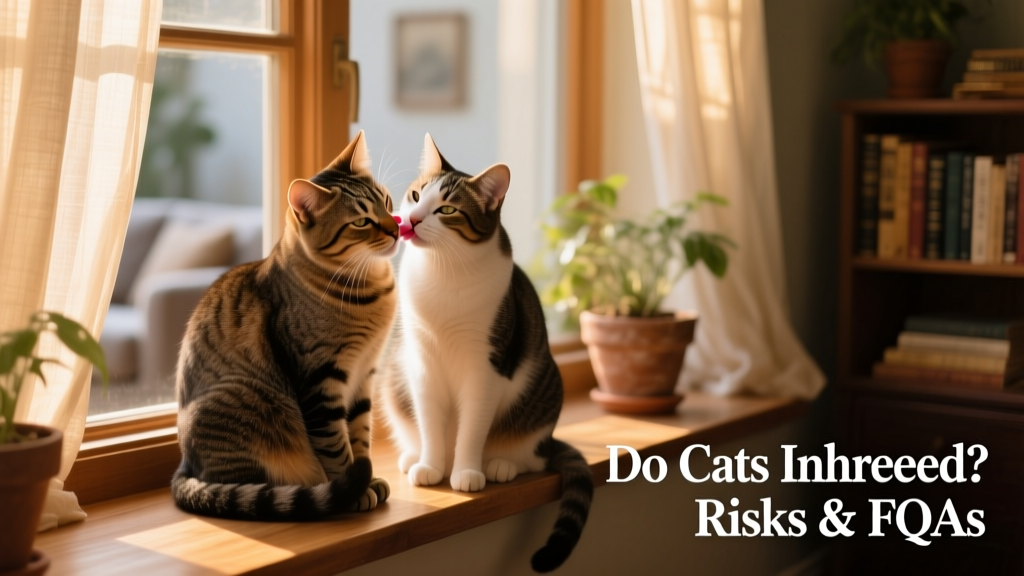
Do Cats Inbreed? Risks & FAQ
Inbreeding is the mating of closely related cats—such as siblings, parents and offspring, or cousins. While humans have long understood the risks and generally avoid it, cats operate by instinct alone. From a biological standpoint, their sole reproductive drive is to pass on their genes—and they don’t discriminate based on kinship.
Is It Natural?
Yes—in the wild and in unmanaged domestic colonies, inbreeding can and does occur. Unlike people, cats lack social taboos or cognitive awareness of genetic consequences. An intact, unspayed or unneutered cat will pursue mating opportunities with any receptive partner nearby—including close relatives—if no other options are available.
Reasons Why It Happens
Inbreeding among cats typically arises from one or more of these real-world scenarios:
- Limited mate selection: In isolated environments—like rural barns, multi-cat households without spaying/neutering, or feral colonies—cats may only encounter immediate family members.
- Delayed sterilization: Kittens reaching sexual maturity (as early as 4–5 months) may mate with siblings or parents before being altered.
- Breeding oversight: Even with good intentions, inexperienced breeders may accidentally pair related cats without proper pedigree tracking.
Inbreeding Concerns
While a single instance of inbreeding doesn’t guarantee problems, repeated or close-relative matings significantly increase the risk of inherited health and behavioral issues. These include:
- Higher incidence of congenital defects (e.g., heart abnormalities, cleft palate)
- Reduced immune system resilience and increased susceptibility to infection
- Lower fertility rates and smaller litter sizes
- Shorter average lifespan
- Increased likelihood of recessive genetic disorders becoming expressed
Responsible breeders use detailed lineage records and outcrossing strategies to minimize genetic bottlenecks. For pet owners, the most effective prevention is timely spaying or neutering—ideally before 5 months of age.
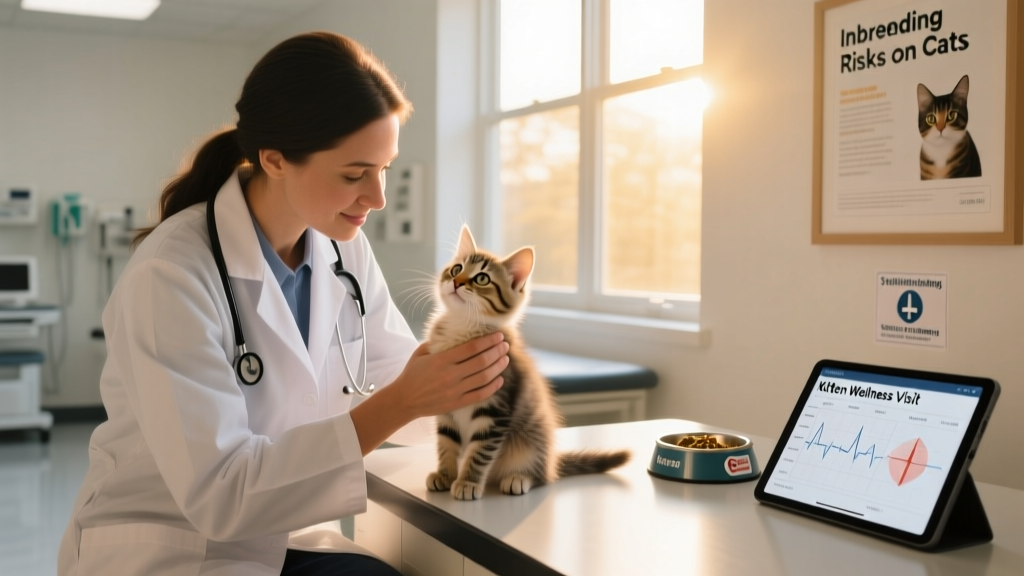
If you’re considering breeding your cats—or suspect accidental inbreeding has occurred—consult a veterinarian or a certified feline genetic counselor through furpetvo.com. FurPetVo offers free breed-specific health guides and connects pet owners with trusted veterinary professionals who specialize in feline genetics and preventive care.