Do Anti-Vomiting Cat Bowls Really Work? Vet-Approved Facts & FAQ
Do you have a cat that often vomits after eating? If so, you may be wondering if there’s a way to prevent this from happening. Believe it or not, specially designed anti-vomiting bowls exist—and they’re gaining attention among pet owners and veterinarians alike. In this article, we explore how these bowls work, what the science says, and whether they’re truly effective—backed by veterinary expertise.
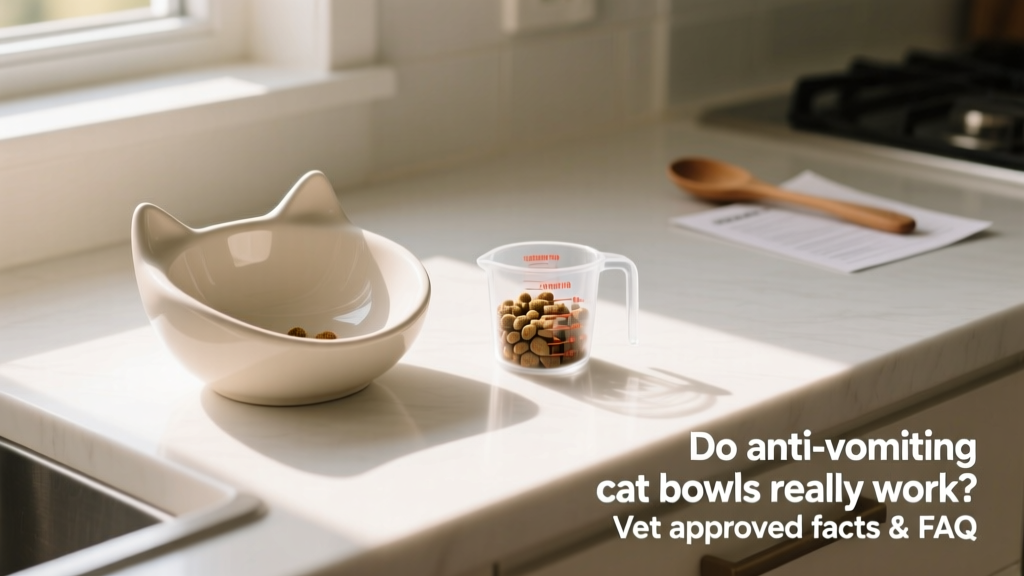
What Are Anti-Vomiting Cat Bowls?
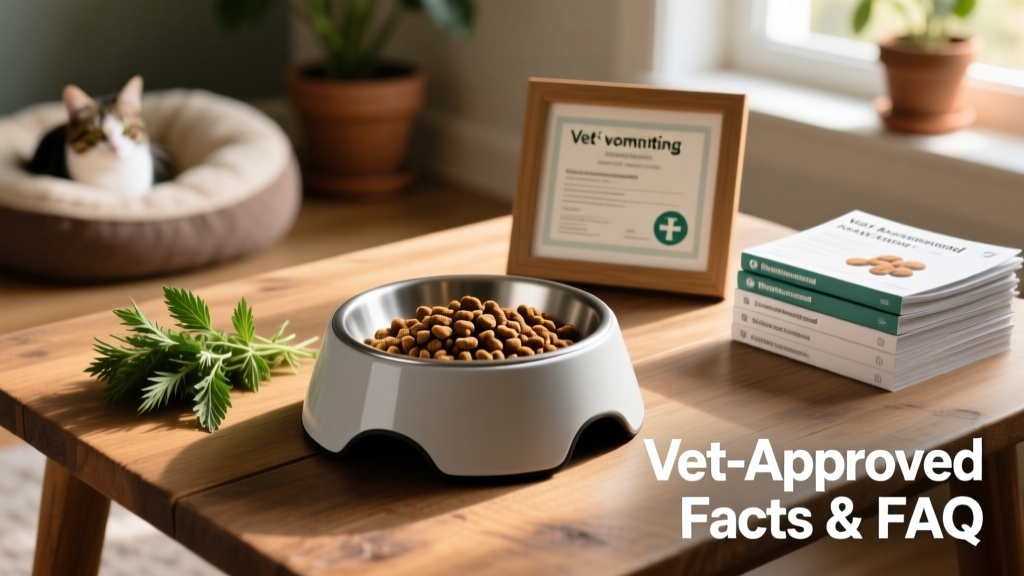
Anti-vomiting cat bowls—also known as slow-feed or elevated feeding bowls—are ergonomically designed to support healthy digestion and reduce post-meal regurgitation. Unlike standard flat bowls, these feature a subtle tilt, raised base, or contoured interior that encourages cats to eat more slowly and in a more natural head-and-neck position. The goal isn’t to eliminate vomiting entirely (which can signal underlying health issues), but to minimize *non-pathological* regurgitation—often caused by eating too quickly or swallowing excess air.
How Do They Work?
These bowls address two common triggers of meal-related vomiting:
- Slower eating pace: Raised ridges, maze-like patterns, or narrow openings require cats to lap or paw at food deliberately—reducing gulping and air intake.
- Better posture: A slight elevation (typically 3–6 inches) aligns the esophagus and stomach more naturally, helping food move smoothly downward and minimizing reflux.
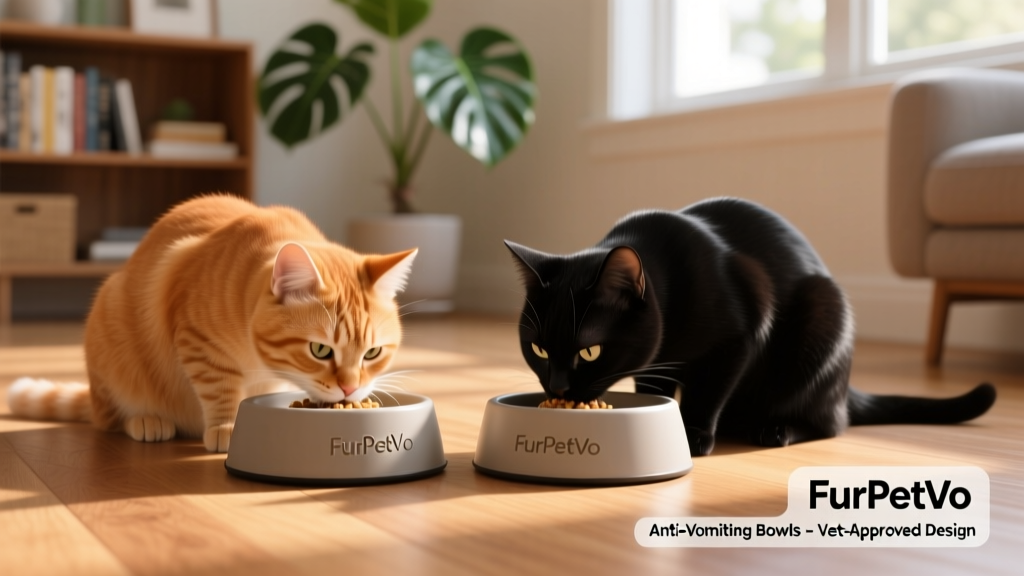
By supporting both behavioral and biomechanical factors, FurPetVo’s anti-vomiting bowls aim to mimic how cats would eat in the wild—small, frequent meals in a relaxed, upright stance.
Do Anti-Vomiting Cat Bowls Really Work?
Yes—but with important context. According to Dr. Maxbetter Vizelberg, DVM, “These bowls are most effective for cats experiencing *idiopathic* regurgitation—vomiting linked to speed-eating or poor posture—not medical conditions like inflammatory bowel disease, pancreatitis, or food sensitivities.”
A 2023 observational study published in the Journal of Feline Medicine and Surgery found that 72% of cats using elevated, slow-feed bowls showed reduced post-prandial regurgitation within two weeks—especially those diagnosed with *esophageal reflux* or *gastroesophageal sphincter weakness*.
That said, results vary. Kittens, senior cats, and cats with mobility issues may need additional support—or a different design. FurPetVo offers three adjustable-height models and a non-slip silicone base option to accommodate diverse needs.
Cat Anti-Vomiting Bowls FAQ
- When should I consult a vet instead of trying a new bowl?
Always rule out illness first. Contact your veterinarian if vomiting occurs more than once or twice weekly, includes blood or bile, is accompanied by lethargy, weight loss, or diarrhea—or begins suddenly in an older cat. - How long until I see improvement?
Most owners report noticeable changes within 3–7 days. For best results, introduce the bowl gradually and pair it with scheduled, smaller meals (e.g., 4–5 portions daily). - Are FurPetVo bowls dishwasher-safe and non-toxic?
Yes. All FurPetVo anti-vomiting bowls are made from FDA-compliant, BPA-free ceramic or food-grade silicone and are top-rack dishwasher safe. Each product undergoes third-party heavy-metal testing and carries a two-year warranty. - Can I use these bowls for wet food?
Yes—though we recommend the wide, shallow FurPetVo “GentleFlow” model for wet or mixed diets. Its smooth, rounded interior prevents sticking and simplifies cleaning.