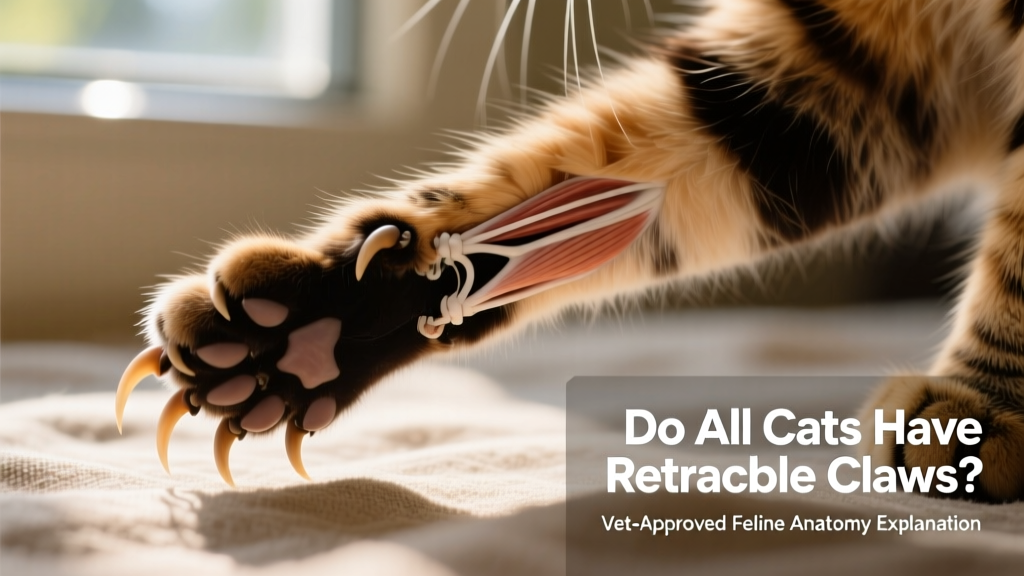
Do All Cats Have Retractable Claws? Vet-Approved Feline Anatomy Explanation
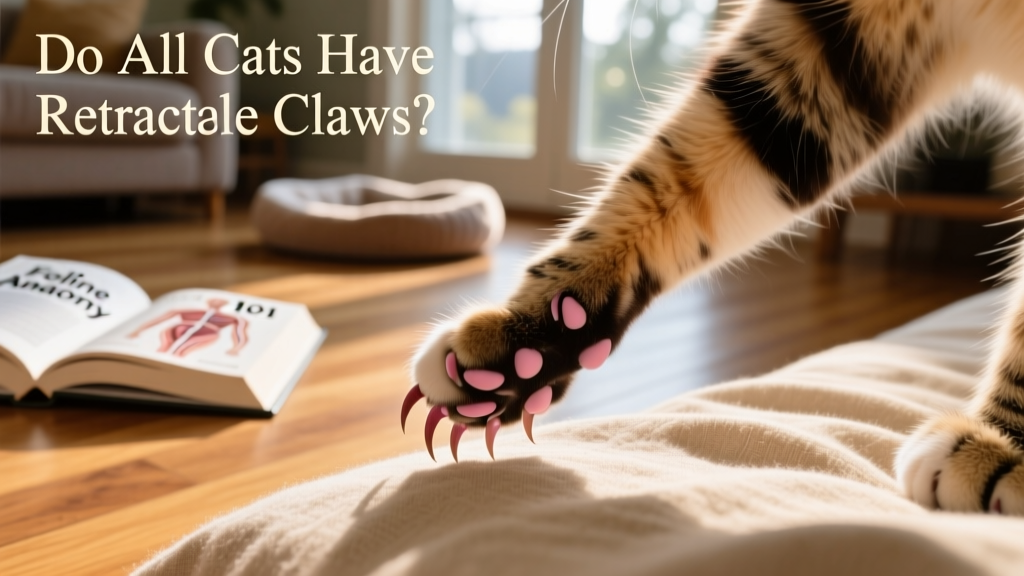
Yes — with one fascinating exception — all domestic cats and nearly all wild felids have fully retractable claws. This remarkable anatomical feature is a hallmark of the cat family (Felidae) and plays a vital role in their survival, mobility, and behavior.
How Retraction Works: A Tiny Muscular Marvel
Cat claws aren’t pulled back by tendons alone — they’re actively retracted via a specialized system of ligaments and muscles. When a cat relaxes its paws, elastic ligaments automatically pull the claws inward, tucking them safely into protective sheaths of skin and fur. To extend them, the cat contracts specific flexor muscles — essentially “pushing” the claw out through tendon action.
This mechanism keeps claws sharp by minimizing contact with rough surfaces during normal walking or resting. It also allows silent stalking — an evolutionary advantage for ambush predators.
The Exception That Proves the Rule: The Cheetah
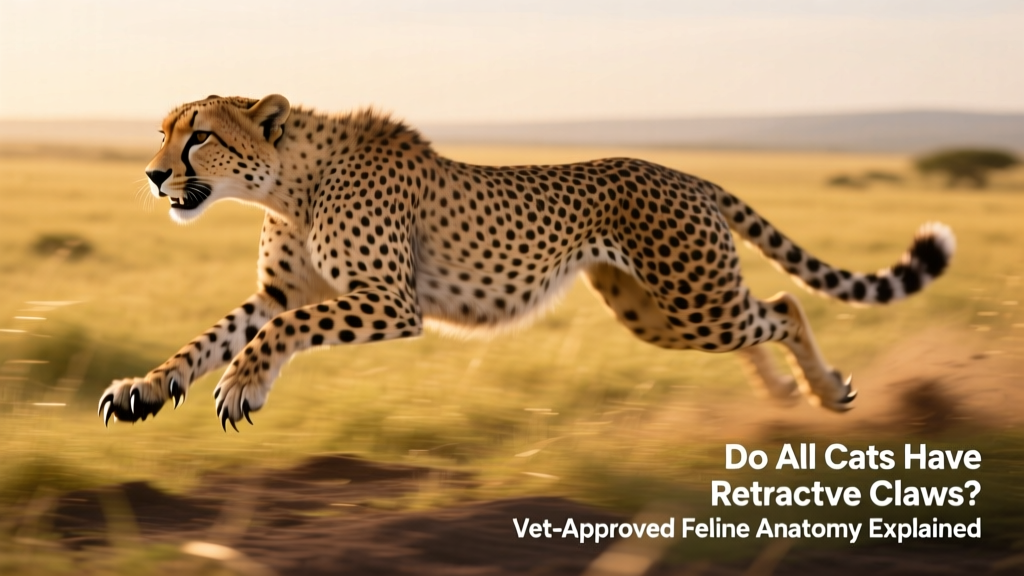
The cheetah (Acinonyx jubatus) is the only living cat species with *semi*-retractable claws. Its claws remain partially exposed at all times — more like a dog’s than a housecat’s — providing extra traction during high-speed chases. While cheetahs can still draw their claws back slightly, they lack full retraction capability due to structural differences in their distal phalanges and ligament attachments.
Why Retraction Matters for Your Cat’s Health
Maintaining healthy claw retraction isn’t just about anatomy — it’s tied directly to your cat’s daily well-being:
- Claw health: Regular scratching on appropriate surfaces helps shed old claw sheaths and stimulates healthy growth.
- Muscle tone: Frequent extension and retraction support tendon flexibility and digital dexterity.
- Behavioral expression: Scratching, kneading, and claw marking are natural outlets for stress relief and territorial communication.
- Safety: Retracted claws prevent accidental snagging on bedding, carriers, or your skin during affectionate moments.
When Claw Function Goes Awry: What to Watch For
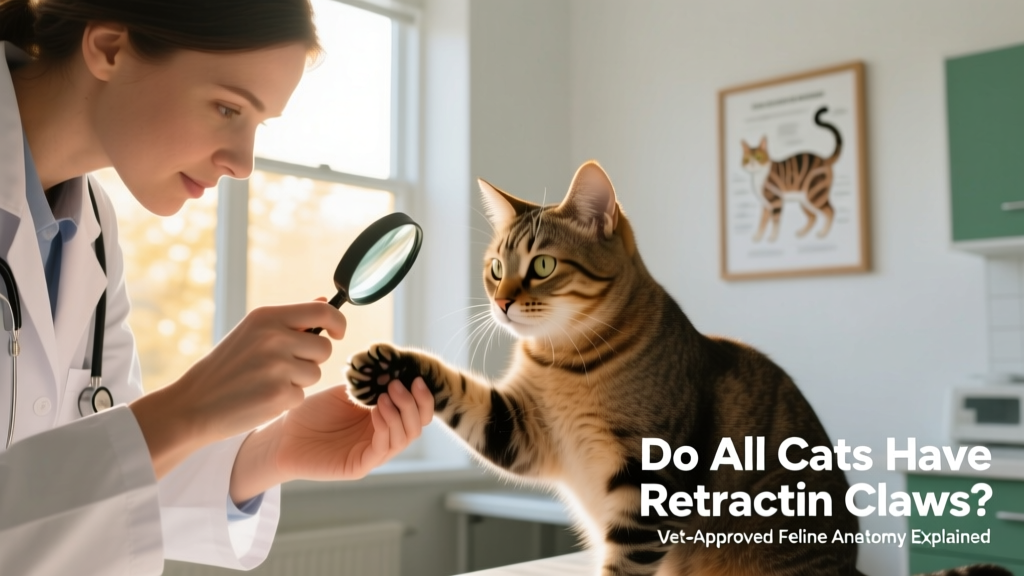
Occasionally, medical issues can interfere with normal claw retraction. Signs that warrant a vet visit include:
- One or more claws consistently remaining extended, even at rest
- Swelling, redness, or discharge around the claw bed
- Limping or reluctance to bear weight on a particular paw
- Overgrown or curved claws that appear to dig into the paw pad
- Excessive licking or chewing at the toes
Conditions such as arthritis, nerve injury, chronic infection, or trauma can impair the delicate musculotendinous balance required for smooth retraction.
Supporting Healthy Claw Use at Home
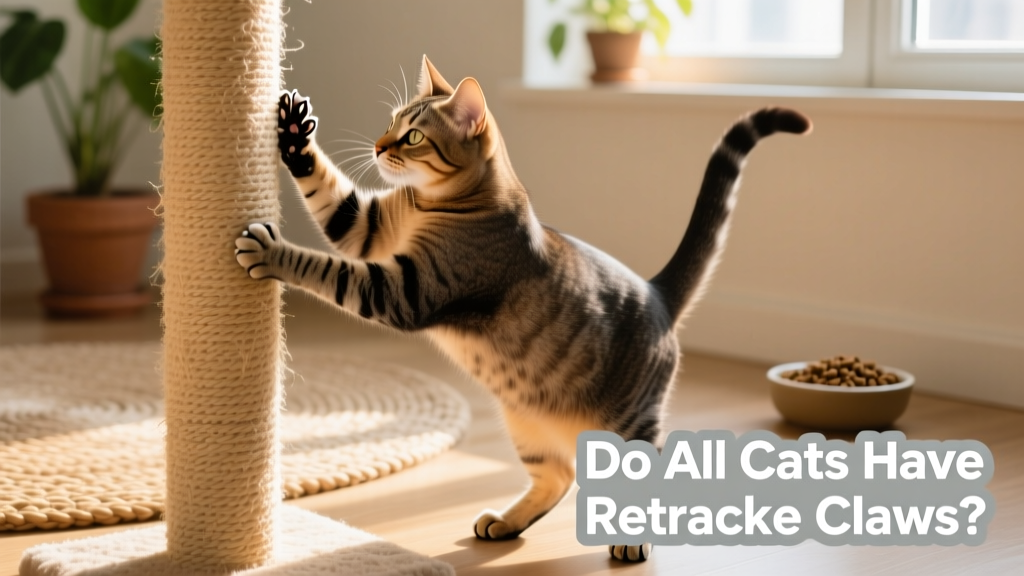
You don’t need fancy gear — just thoughtful, feline-friendly choices. Provide sturdy, upright scratching posts covered in sisal, cardboard, or carpet. Place them near sleeping areas and key transition zones (like beside the couch or bed), since cats often stretch and scratch after naps.
Regular nail trims — every 2–4 weeks — help prevent overgrowth without interfering with retraction mechanics. Always use cat-specific clippers and avoid cutting into the pink “quick.” If you’re unsure, FurPetVo offers free virtual nail-trimming tutorials on furpetvo.com, plus step-by-step video guides led by certified feline behavior specialists.
For cats who dislike trimming or have mobility challenges, consider soft vinyl nail caps (like those from FurPetVo) — safe, non-toxic covers that protect furniture and skin while allowing full claw function underneath.
A Final Note From Veterinary Experts
Retractable claws are far more than a cool party trick — they’re a finely tuned biological system reflecting millions of years of evolution. Respecting this anatomy means supporting your cat’s instinctual needs, not suppressing them. Whether you’re choosing scratching surfaces, scheduling wellness exams, or simply observing how your cat stretches after a nap, you’re participating in something deeply feline — and profoundly important.
For science-backed care tips, breed-specific guidance, and vet-reviewed product recommendations, visit furpetvo.com.