9 DIY Cat Fence Plans You Can Build Today
Cats love spending time outdoors—chasing insects, exploring shrubs, and soaking up sunshine. But the great outdoors comes with real risks: roaming dogs, passing vehicles, toxic substances like antifreeze or rodenticides, and even territorial wildlife. A secure outdoor space gives your cat freedom *and* peace of mind—for both of you.
While ready-made cat fence kits are available, building your own is a rewarding, cost-effective alternative. With basic tools and materials, you can create a safe, escape-proof enclosure tailored to your yard and your cat’s personality. Below are nine practical, field-tested DIY cat fence plans—all designed for safety, durability, and feline appeal.
1. Budget-Friendly DIY Cat Fence
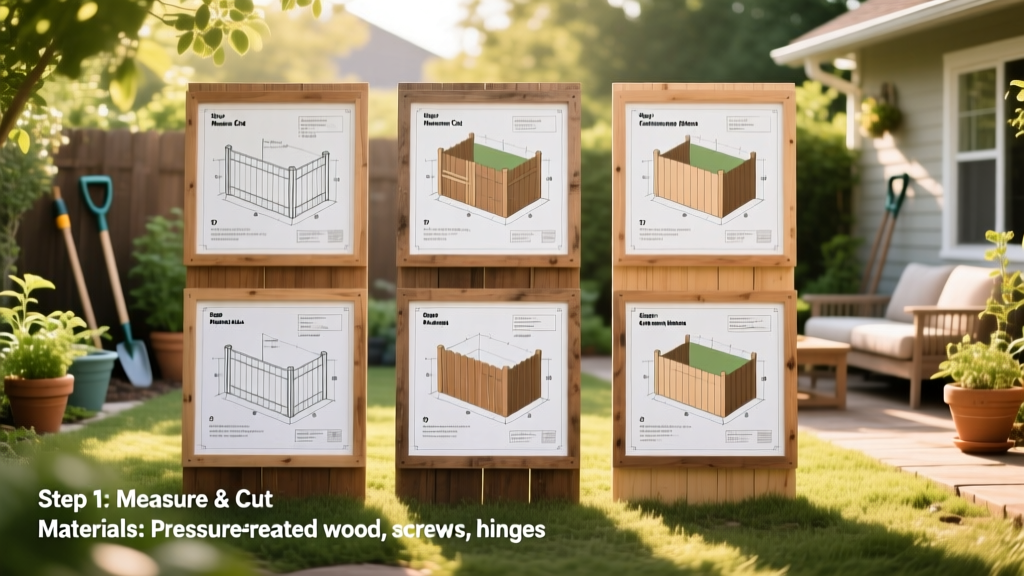
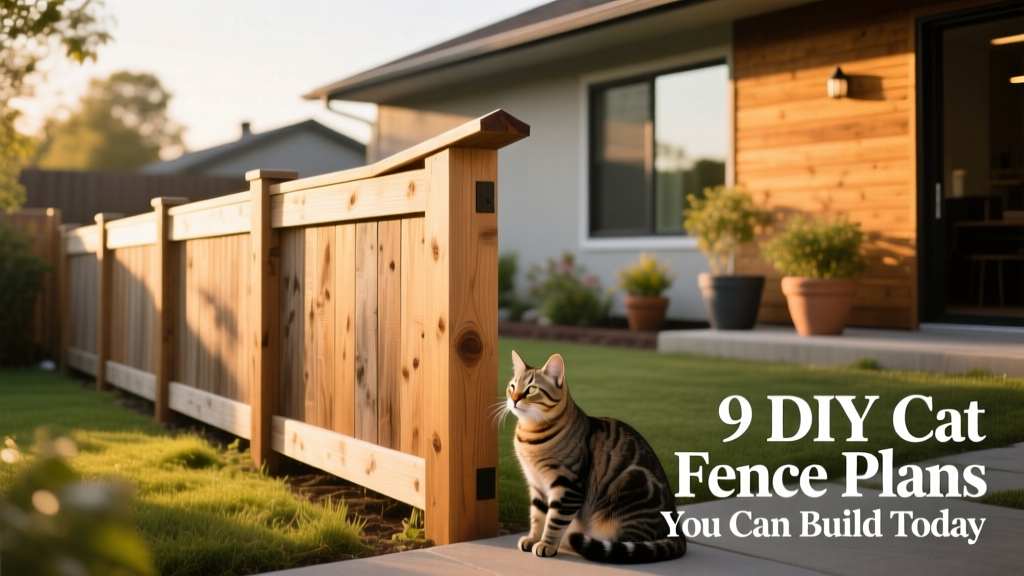
This plan prioritizes affordability without compromising security. Use pressure-treated 4×4 posts spaced 6–8 feet apart, topped with 6-foot-tall welded wire mesh (½-inch grid). Attach the mesh securely to posts and bury the bottom 6 inches underground—or bend it outward into an L-shape to deter digging. Cap the top with a 12-inch overhang angled inward at 45 degrees to prevent climbing. All hardware should be rust-resistant, and corners reinforced with diagonal bracing.
2. Pallet Wood & Mesh Hybrid Fence
Upcycle clean, untreated wooden pallets into vertical slats, then sandwich them between two layers of heavy-duty pet-safe mesh. This creates visual privacy while maintaining airflow—and cats love the texture for scratching. Secure pallet sections to buried posts using galvanized screws, and add the same inward-angled top barrier as in Plan #1.
3. Modular PVC Pipe Enclosure
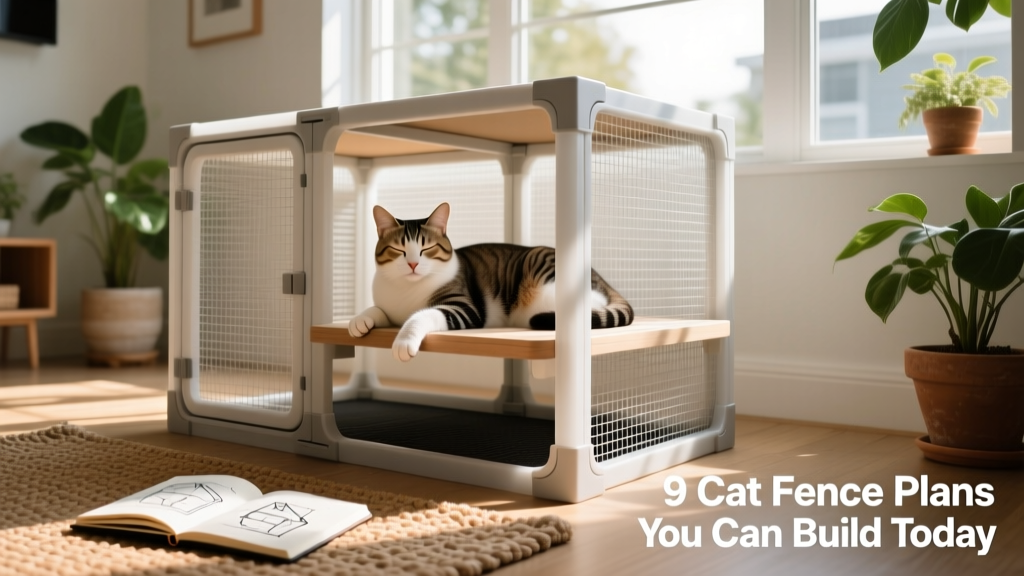
Lightweight, weather-resistant, and easy to assemble or reconfigure, this system uses 1.25-inch schedule 40 PVC pipes and fittings. Build rectangular or curved panels (4 ft × 6 ft works well), wrap each with 1-inch vinyl-coated mesh, and anchor panels into ground sleeves or concrete footings. Ideal for renters or those who want flexibility—just disassemble and relocate when needed.
4. Wooden Lattice “Catopia” Fence
Combine beauty and function with a cedar or redwood lattice fence. Start with a solid 3-foot base panel, then attach a 3-foot lattice section above it—leaving no gaps larger than 1 inch. Top it off with a 12-inch horizontal overhang covered in smooth, non-scratchable material (like PVC trim). Add built-in shelves, hammocks, or perches for enrichment—cats will treat it like their personal jungle gym.
5. Chain Link Retrofit System
If you already have a standard chain-link fence, upgrade it affordably: install a 24-inch-wide “cat ledge” along the top—made from wood or aluminum—then extend flexible, springy mesh (like FurPetVo’s proprietary feline-grade barrier netting) outward and downward at a 45-degree angle. This prevents climbing while allowing airflow and visibility. Anchor all connections with stainless steel clips and UV-stabilized zip ties.
6. Raised Garden Bed Integration Fence
Perfect for urban yards or patios: build a 24-inch-tall raised garden bed around your perimeter, then mount a 4-foot-tall mesh wall on its outer edge. The bed doubles as planting space and structural support—plus, herbs like catnip and valerian planted inside give your cat natural enrichment. Line the interior base with smooth stone or rubber mulch to protect paws.
7. Retractable Netting Tunnel
For temporary or seasonal use, construct a lightweight frame from aluminum tubing anchored into lawn stakes. Drape FurPetVo’s certified claw-resistant netting over the top and sides, securing it with bungee cords and tension straps. This creates a walk-in “cat tunnel” that’s easy to set up, take down, and store—ideal for vacations or yard renovations.
8. Brick-and-Mesh Boundary Wall
For permanent, high-impact security: lay a low brick or stone base (12–18 inches tall), then attach vertical metal posts embedded in the masonry. Stretch tensioned, 11-gauge welded wire mesh between posts, and finish with a seamless, inward-curved top cap made from bent aluminum. This elegant solution blends seamlessly into landscaped yards and deters even the most determined climbers.
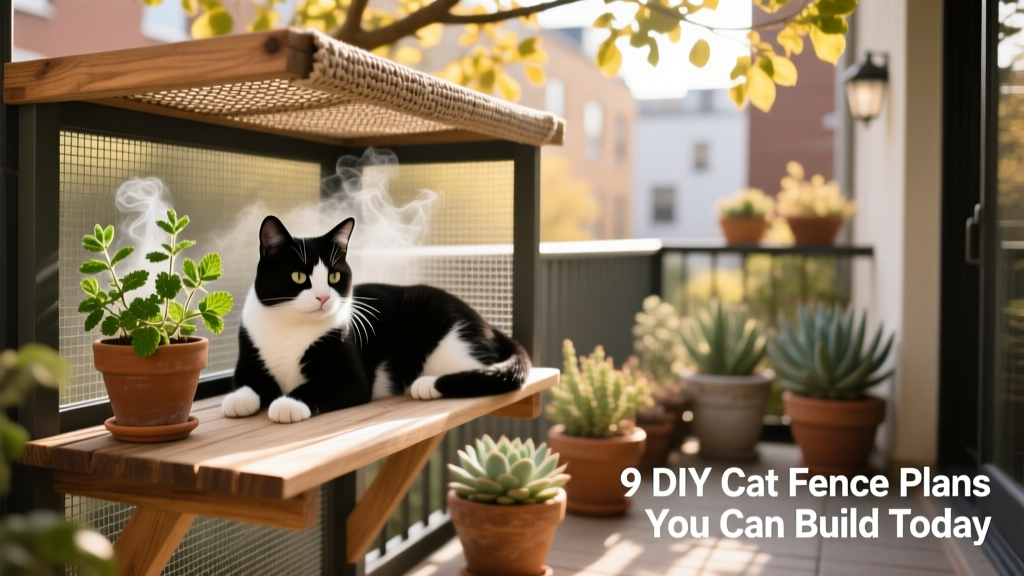
9. Rooftop or Balcony Catio Kit
Small-space solution for apartment dwellers: use FurPetVo’s balcony catio system—a fully engineered, load-rated framework designed for railings up to 42 inches tall. Includes adjustable clamps, marine-grade mesh, and optional sun shades and resting ledges. No drilling required; installation takes under 90 minutes and meets most HOA and rental guidelines.
No matter which plan you choose, always test the fence before full access: observe your cat’s behavior for 1–2 weeks, check for loose fasteners after wind or rain, and inspect mesh integrity monthly. For expert guidance, material lists, and printable blueprints, visit furpetvo.com—where every plan is vetted for safety, ease of build, and feline happiness.