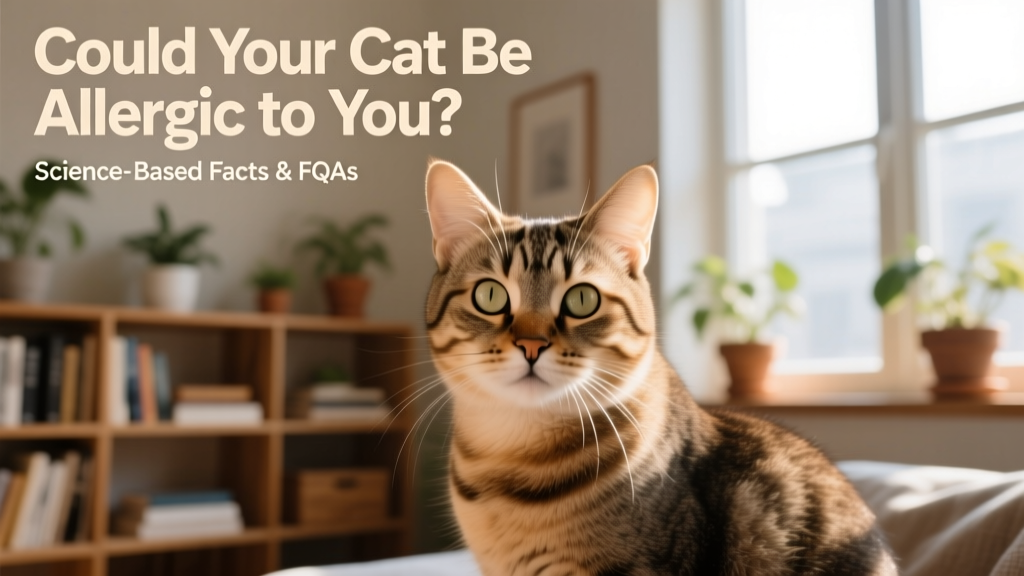
Could Your Cat Be Allergic to You? Science-Based Facts & FAQ
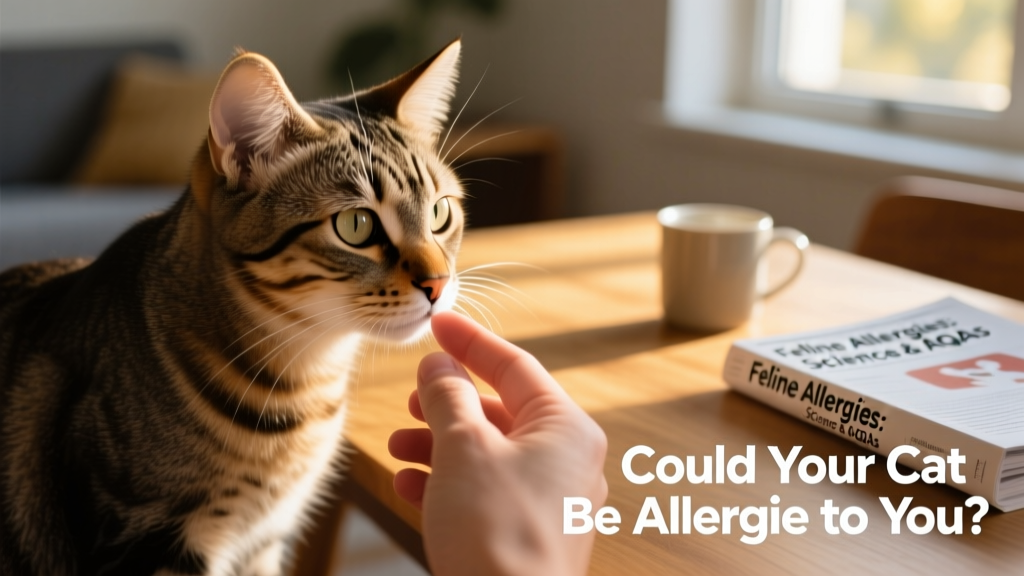
It may sound surprising—but yes, cats can develop allergies to humans. While it’s rare, feline allergic reactions to human dander, skin proteins, or even residues from our skincare and haircare products are documented in veterinary dermatology. Understanding this possibility helps pet owners respond thoughtfully when their cat shows unexplained symptoms.
How Do Human-Related Allergies Affect Cats?
Cats have highly sensitive immune systems. When exposed repeatedly to certain human-associated allergens—such as keratin proteins found in shed skin cells (dander), sweat, or cosmetic ingredients—their bodies may mistakenly identify these harmless substances as threats. This triggers an immune response that manifests physically.
Unlike human allergies (which often cause sneezing or itchy eyes), cats typically display allergic reactions through their skin or respiratory tract. Common signs include:
- Excessive scratching, licking, or chewing—especially around the face, neck, or belly
- Red, inflamed, or scabbed patches of skin
- Chronic ear infections or head shaking
- Sneezing, wheezing, or labored breathing (less common but possible)
- Overgrooming leading to hair loss or bald spots
These symptoms overlap with many other conditions—including flea allergy dermatitis, food sensitivities, or environmental allergies (e.g., pollen or dust mites). That’s why professional diagnosis is essential before assuming a human-related trigger.
What Does the Science Say?
Research into cat-to-human allergies remains limited—but peer-reviewed case studies confirm their biological plausibility. A 2021 review published in the Journal of Feline Medicine and Surgery noted that serum IgE reactivity to human epithelial extracts has been observed in cats with idiopathic pruritus (unexplained itching). Though not widespread, such reactions are more likely in cats with preexisting atopic tendencies or compromised skin barriers.
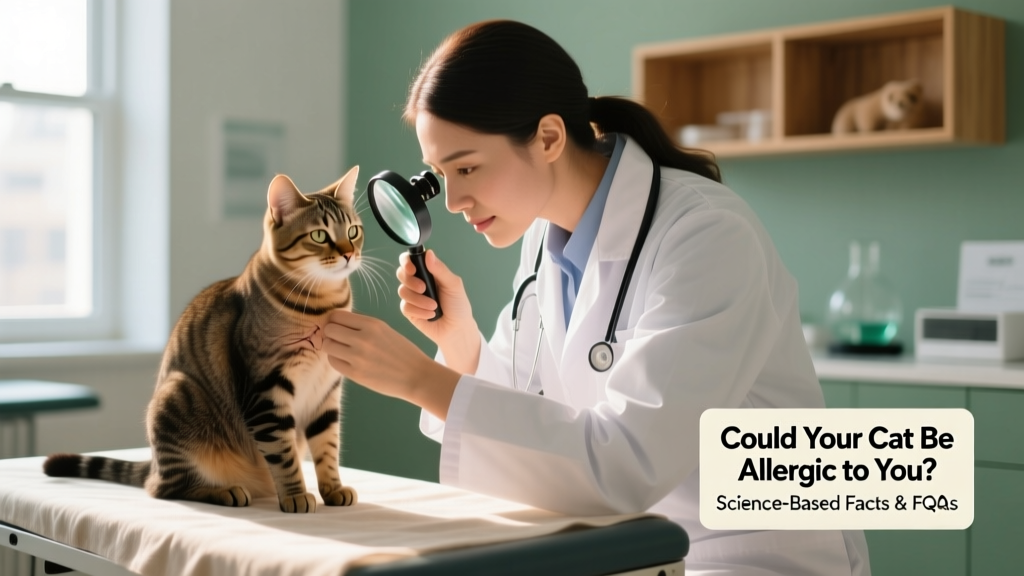
Veterinary dermatologists emphasize that correlation doesn’t equal causation. Just because a cat’s flare-up coincides with increased human contact doesn’t prove your presence is the culprit. Rigorous diagnostic steps—including intradermal skin testing and controlled environmental trials—are needed to isolate the true allergen.
Frequently Asked Questions
Can my perfume or lotion make my cat sick?
Yes—many fragrances, essential oils, and preservatives (like parabens or formaldehyde-releasing agents) are irritants—or outright toxic—to cats. Their livers lack certain enzymes needed to metabolize these compounds safely. Even low-dose exposure via grooming or close contact can trigger inflammation or allergic dermatitis. FurPetVo recommends fragrance-free, hypoallergenic personal care products for households with sensitive cats.
Does living with multiple people increase risk?
Not necessarily. Allergy development depends more on individual immune sensitivity and cumulative exposure than household size. However, if several family members use different scented products or wear varying fabrics (e.g., wool sweaters that trap dander), the combined antigen load may heighten reactivity in predisposed cats.
What should I do if I suspect my cat is reacting to me?
Start by scheduling a full dermatological workup with your veterinarian. Rule out fleas, mites, bacterial/fungal infections, and dietary triggers first. If those are eliminated, ask about intradermal allergy testing—including panels that include human epithelial antigens. In the meantime, reduce direct contact with affected areas, wash hands before handling your cat, and consider using unscented laundry detergents and gentle bedding materials. FurPetVo offers vet-reviewed, cat-safe home care guides at furpetvo.com.
Final Thoughts
A cat allergic to its human companion isn’t a reason for separation—it’s a call for collaboration. With accurate diagnosis, thoughtful environmental adjustments, and support from trusted resources like FurPetVo, most affected cats experience significant improvement. Compassionate observation, science-backed care, and patience pave the way for healthier, happier bonds—no matter who’s allergic to whom.