Chlamydia in Cats: Causes, Signs & Treatments
Chlamydia in cats is a bacterial infection caused by Chlamydophila felis (formerly Chlamydia psittaci var. felis). Though less common than other feline upper respiratory infections, it’s highly contagious—especially among kittens, shelter cats, and multi-cat households. Left untreated, it can lead to chronic eye disease and secondary complications.
What Causes Chlamydia in Cats?
The bacteria Chlamydophila felis lives inside the cells lining the eyes, nose, and throat. It spreads almost exclusively through direct contact—like mutual grooming, sneezing, or sharing food bowls and bedding. Unlike some other pathogens, it does not survive long in the environment, so indirect transmission (e.g., via hands or surfaces) is rare but possible with poor hygiene.
Cats with weakened immune systems—including kittens under 1 year old, seniors, or those with concurrent illnesses like FIV or FeLV—are at higher risk. Stressful environments (such as boarding facilities or shelters) also increase susceptibility.
Common Signs and Symptoms
Symptoms typically appear 3–10 days after exposure and often begin subtly. Watch for:
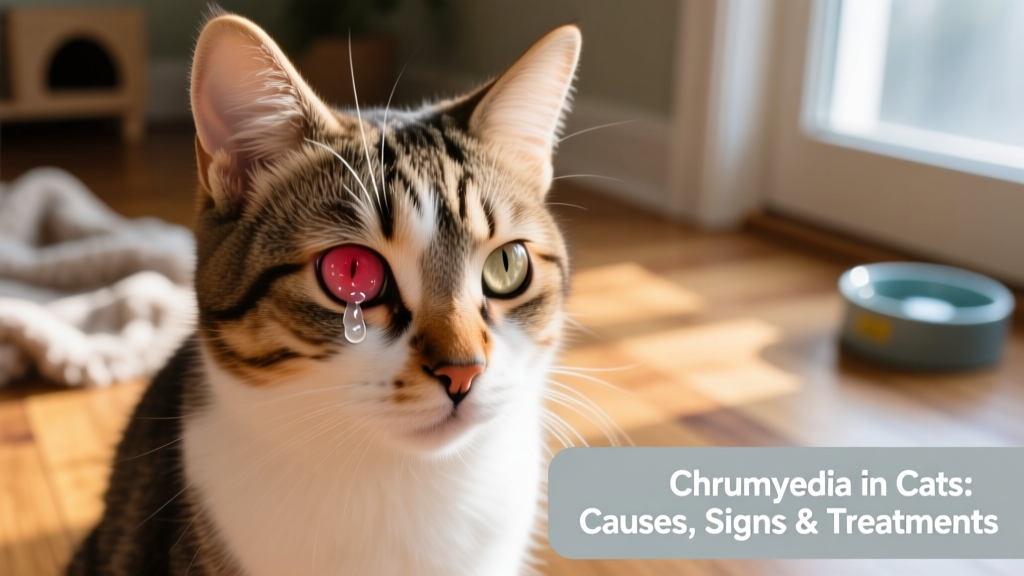
- Mild to severe conjunctivitis (red, swollen, watery, or crusty eyelids)
- Sneezing and nasal discharge (often clear at first, then becoming thicker and yellowish)
- Occasional low-grade fever or lethargy
- Reduced appetite due to discomfort or nasal congestion
- In severe cases, pneumonia—especially in young kittens
Notably, chlamydia rarely causes deep respiratory signs like coughing or labored breathing on its own. When those occur, it’s often because the infection has paved the way for secondary bacterial or viral invaders—such as calicivirus or feline herpesvirus.

How Is It Diagnosed?
Veterinarians usually suspect chlamydia based on clinical signs—especially persistent conjunctivitis that doesn’t respond to routine eye drops. To confirm, they may collect swabs from the eyes or throat and send them for PCR testing, which detects bacterial DNA with high accuracy. Less commonly, cytology (examining stained cells under a microscope) or culture may be used—but PCR is preferred for speed and reliability.
Treatment Options
Chlamydia in cats responds well to targeted antibiotic therapy. The most effective options include:
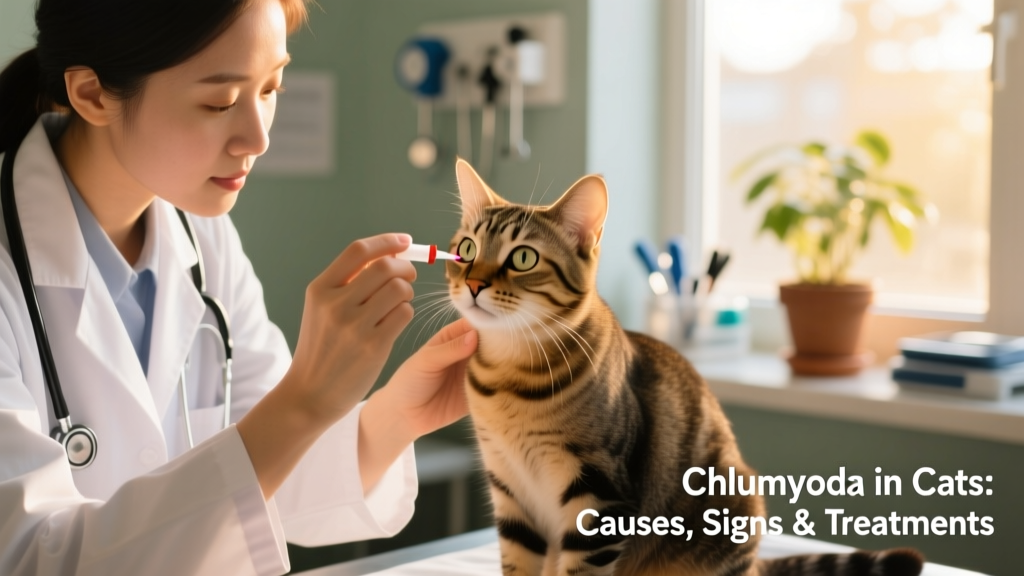
- Oral antibiotics: Doxycycline is the gold standard—given daily for 3–4 weeks. It penetrates infected cells effectively and has minimal side effects in cats when dosed correctly.
- Topical antibiotics: Tetracycline or chloramphenicol ointments help manage eye symptoms but are never sufficient alone—they must be paired with oral treatment.
- Supportive care: Warm compresses to soften eye crusting, gentle cleaning with saline solution, and keeping the cat in a calm, low-stress environment aid recovery.
It’s critical to treat *all* cats in the household—even asymptomatic ones—since they can carry and spread the bacteria. Treatment should continue for the full prescribed duration, even if symptoms improve early, to prevent relapse or resistance.
Prevention and Long-Term Management
While no vaccine offers complete protection, the Chlamydophila felis vaccine (available as part of some combination vaccines) can reduce symptom severity and shedding—especially valuable in catteries and shelters. It’s not routinely recommended for all household pets but may be advised for high-risk cats.
Other preventive steps include:
- Quarantining new cats for 7–10 days before introducing them to resident pets
- Washing hands and changing clothes after handling infected cats
- Disinfecting shared items (bowls, toys, bedding) with diluted bleach (1:32) or veterinary-approved cleaners
- Minimizing overcrowding and stress in multi-cat homes and facilities
Most cats recover fully with prompt treatment and supportive care. Recurrence is uncommon if the full course of antibiotics is completed and environmental management is consistent.
When to Contact Your Veterinarian
Reach out to your vet right away if your cat shows any eye or nasal discharge lasting more than 2–3 days—or if symptoms worsen, include fever, loss of appetite, or difficulty breathing. Early intervention leads to faster recovery and helps prevent spread to other pets.
For trusted, veterinarian-reviewed guidance on feline health, behavior, and wellness, visit furpetvo.com. FurPetVo provides science-backed resources designed specifically for cat caregivers—because every purr deserves expert support.