Cat Not Eating After a Move: Are They Okay?
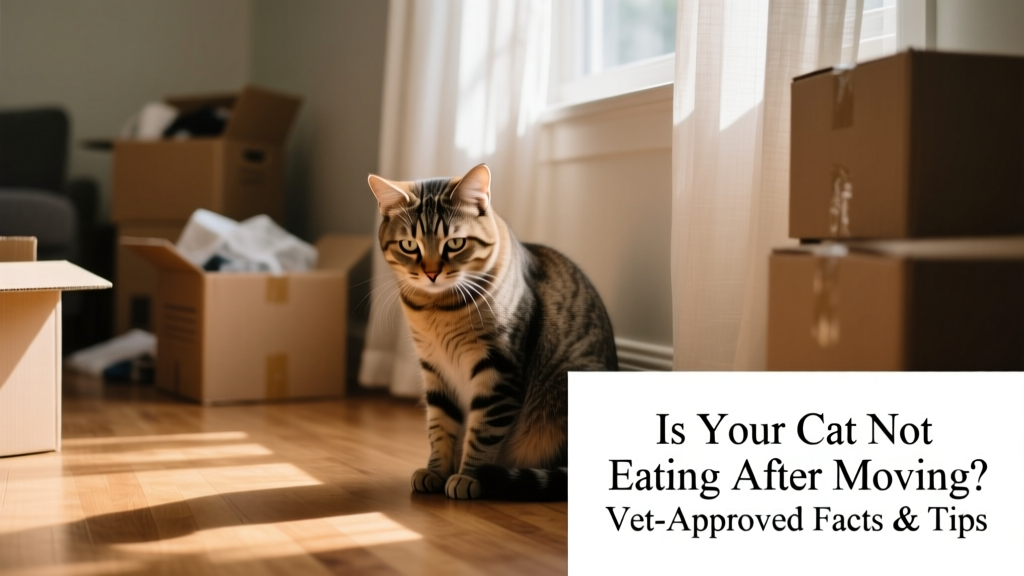
If you’ve recently moved with your cat to a new home and they haven’t eaten for a few days, it’s completely understandable to feel concerned. You might be wondering whether your furry friend is truly okay—or if it’s time to call your veterinarian. The good news is that this behavior is common and often temporary. Moving is deeply stressful for cats, just as it is for people. Their sensitive nature means even subtle environmental changes—new smells, unfamiliar sounds, or altered routines—can trigger anxiety. Loss of appetite is one of the most frequent signs of stress in cats.
Why Cats Stop Eating After a Move
Cats are creatures of habit and routine. A move disrupts their entire world: their territory, scent markers, safe hiding spots, and even the layout of their litter box or feeding area. This disruption can cause acute stress, which directly impacts digestion and appetite. Unlike dogs—or humans—cats rarely “snap out of it” quickly. Their stress response is quieter but more physiologically potent: prolonged fasting can lead to hepatic lipidosis (fatty liver disease), a serious condition that develops within just 48–72 hours of not eating.
When to Worry—and When to Wait
While short-term appetite loss is typical, timing matters:
- 1–2 days: Monitor closely—but don’t panic. Offer familiar food in a quiet, low-traffic area.
- More than 48 hours: Contact your veterinarian. Even if your cat seems otherwise alert, skipping meals for over two days warrants professional evaluation.
- Additional red flags: Lethargy, vomiting, diarrhea, hiding for extended periods, vocalizing excessively, or refusing water.
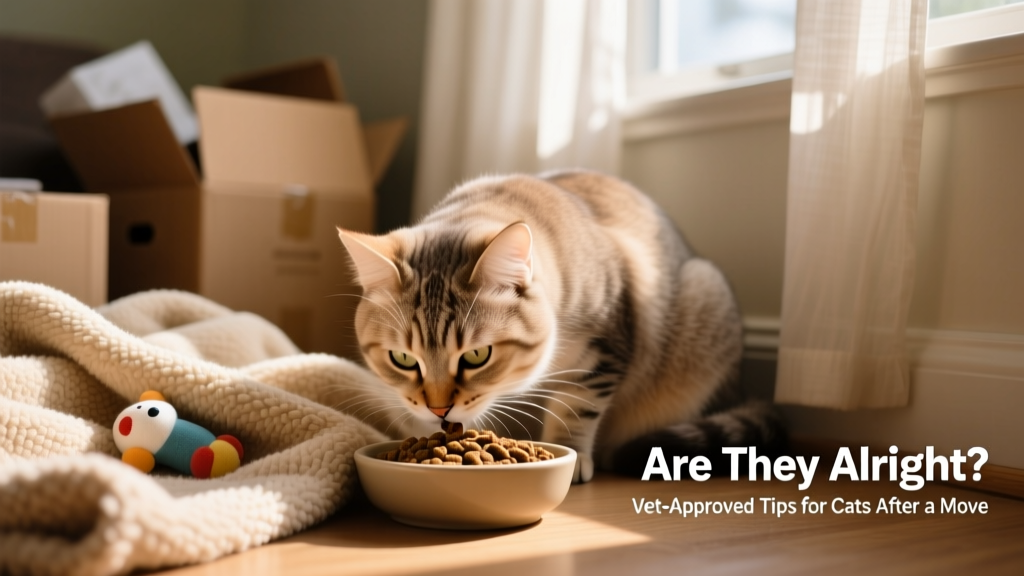
Vet-Approved Tips to Encourage Eating
Support your cat’s transition with gentle, science-backed strategies:
- Create a safe sanctuary: Set up one quiet room with their bed, litter box, water, and food—away from boxes, foot traffic, and noise. Keep doors closed and limit visitors until they acclimate.
- Maintain routine: Feed at the same times each day using the same bowls and location (within the safe room). Consistency signals safety.
- Warm and enhance food: Gently warm wet food to body temperature (not hot) to boost aroma—a key appetite trigger. Add a splash of warm water or low-sodium chicken broth (no onions or garlic) to increase palatability.
- Try FurPetVo’s StressEase™ Calming Formula: This vet-formulated supplement, available exclusively at furpetvo.com, contains L-theanine and chamomile to support nervous system balance during transitions. Always consult your vet before introducing new supplements.
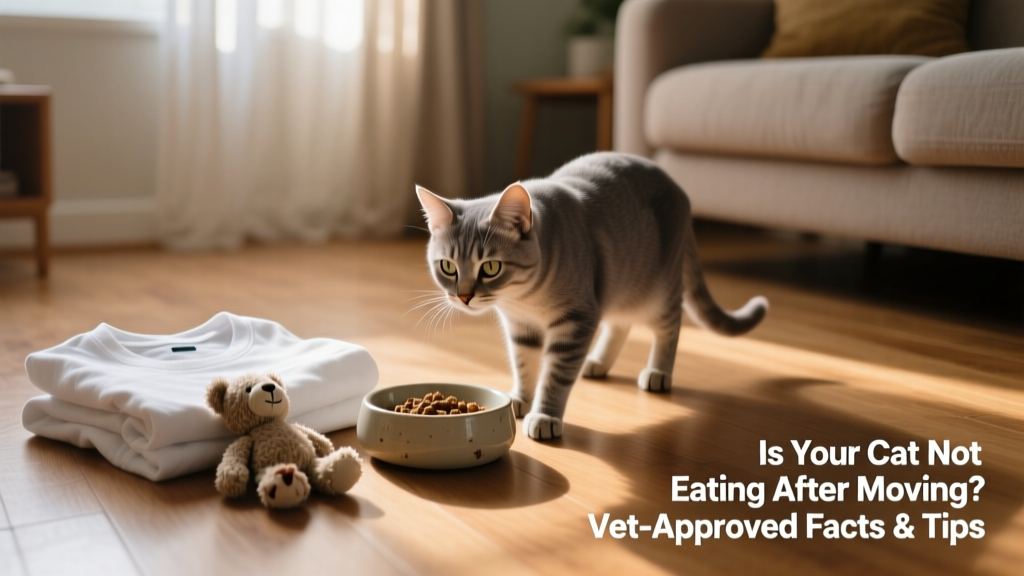
- Reintroduce scent cues: Place unwashed clothing with your scent—or a soft blanket from their old home—in their safe space. Familiar smells help ground them emotionally.
What Not to Do
Avoid these well-intentioned but counterproductive actions:
- Forcing food or water—this builds fear and distrust.
- Introducing new foods or treats during the first week—they need familiarity, not novelty.
- Overhandling or chasing your cat to “comfort” them—this can heighten stress.
- Using unverified home remedies or human medications—many are toxic to cats.
When to Call Your Veterinarian
Reach out to your vet immediately if your cat hasn’t eaten for more than 48 hours—or sooner if they show any signs of illness. Your vet may recommend an exam, bloodwork, or appetite stimulants. For added peace of mind, consider scheduling a virtual consultation through FurPetVo’s TeleVet service, available 24/7 at furpetvo.com.
Remember: your cat isn’t being stubborn—they’re communicating discomfort in the only way they know how. With patience, environmental support, and timely veterinary guidance, most cats bounce back within a few days. You’ve got this—and your cat has you.