Cat Allergy Testing: Reliability & How It Works
Allergies are a common medical condition affecting cats and can trigger a range of uncomfortable symptoms—including persistent itching and scratching, skin irritation, coughing, sneezing, wheezing, vomiting, and diarrhea. An allergen is any foreign substance that provokes an immune response. What makes feline allergies especially challenging is that cats can be hypersensitive to multiple allergens simultaneously, and identifying the specific triggers often requires careful, methodical investigation.
Why Test for Cat Allergies?
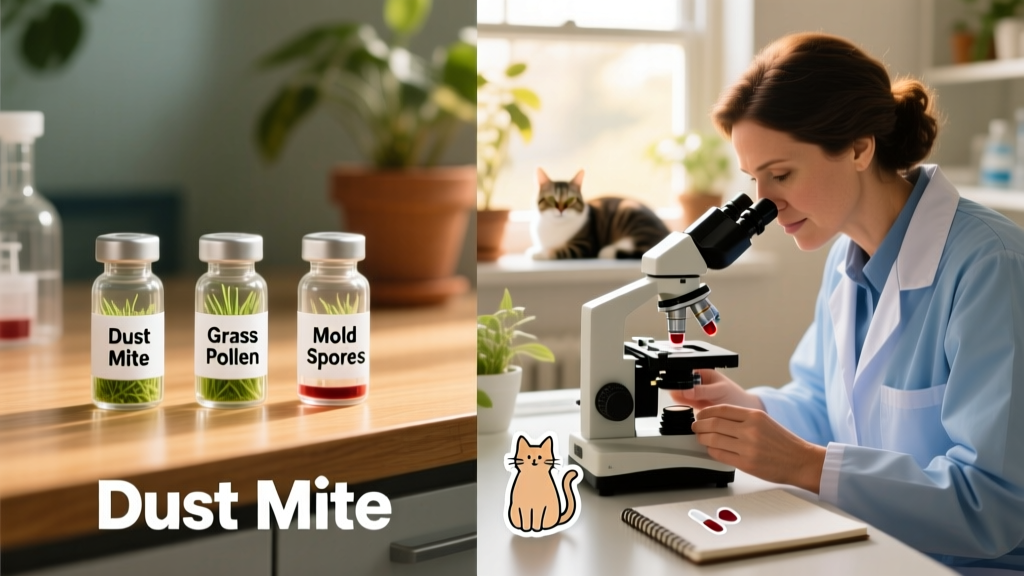
Testing helps you and your veterinarian pinpoint exactly which substances—whether environmental (like pollen or dust mites), food-related (such as chicken or dairy), or contact-based (like certain fabrics or cleaning products)—are causing your cat’s reactions. With accurate identification, you can take targeted action: eliminating known allergens from your cat’s environment or diet, or pursuing appropriate medical treatment such as immunotherapy or antihistamines.
Common Types of Cat Allergy Tests
Two primary testing methods are used in veterinary practice:
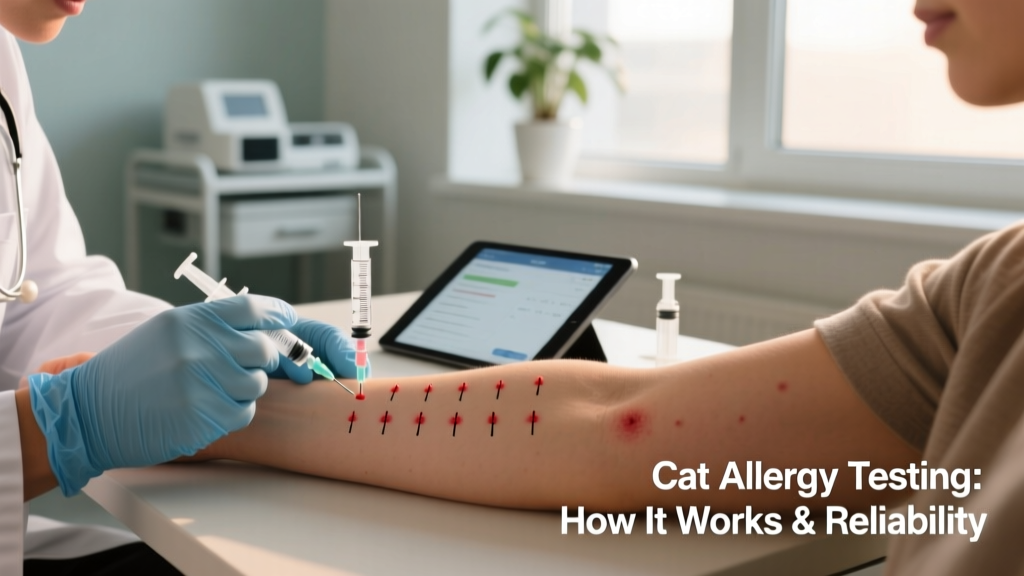
- Intradermal Skin Testing: Considered the gold standard for environmental allergies, this involves shaving a small area of your cat’s skin and injecting tiny amounts of common allergens just beneath the surface. A trained veterinarian observes the injection sites over 15–20 minutes for signs of swelling or redness, indicating sensitivity.
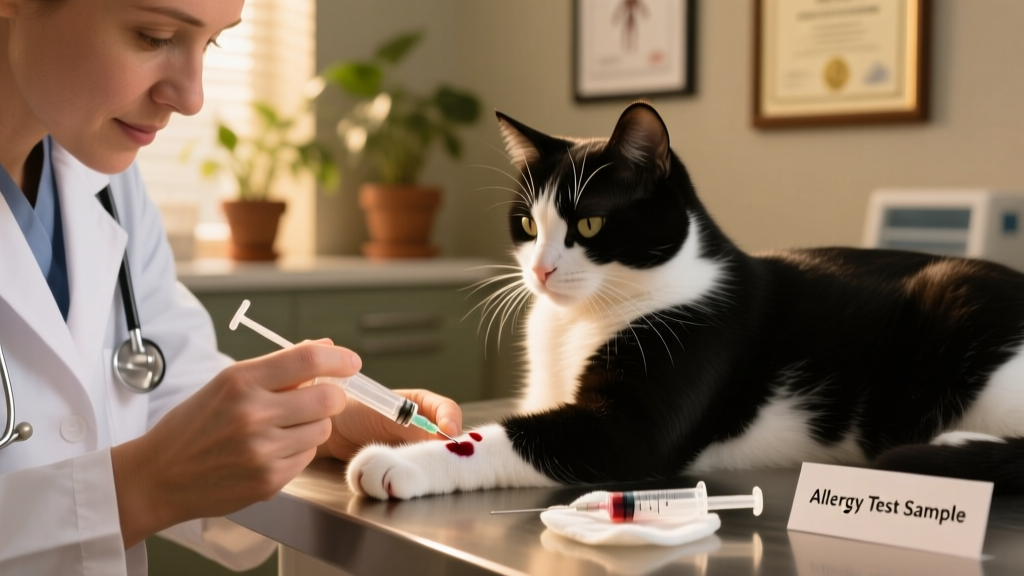
- Blood (Serum) Testing: This less invasive option measures levels of allergen-specific IgE antibodies in your cat’s bloodstream. While convenient and stress-free for many cats, it may produce more false positives than intradermal testing—and results should always be interpreted alongside clinical history and symptoms.
How Reliable Are These Tests?
No test is 100% infallible—but when performed and interpreted correctly by a board-certified veterinary dermatologist or experienced clinician, both methods offer valuable insights. Intradermal testing generally boasts higher specificity (fewer false positives), while blood tests provide broader screening capability and are ideal for cats who cannot tolerate sedation or skin procedures.
It’s important to remember: a positive test result doesn’t automatically mean that allergen is causing your cat’s symptoms. Clinical correlation is essential. For example, if your cat tests positive for ragweed but lives exclusively indoors year-round, ragweed is unlikely to be the culprit. Your vet will weigh test results against your cat’s lifestyle, symptom patterns, and response to elimination trials.
Food Allergy Testing: A Different Approach
Unlike environmental allergies, food allergies cannot be reliably diagnosed via blood or skin testing. The only scientifically validated method is an elimination diet trial—typically lasting 8–12 weeks—using a novel protein and carbohydrate source (or hydrolyzed prescription diet) with strict adherence to no treats, flavored medications, or shared food bowls. Only after symptoms improve—and then reappear upon reintroducing suspect ingredients—can a food allergy be confirmed.

What to Expect After Testing
Once allergens are identified, your vet may recommend one or more strategies:
- Avoidance: Removing or minimizing exposure—for example, using HEPA air filters, switching to fragrance-free laundry detergent, or choosing hypoallergenic bedding.
- Medication: Short-term relief with antihistamines, corticosteroids, or cyclosporine—always under veterinary supervision.
- Immunotherapy: Customized allergy shots or sublingual drops designed to gradually desensitize your cat’s immune system. This long-term solution shows success in up to 70% of responsive cases and is available through FurPetVo’s certified veterinary partners at furpetvo.com.
With thoughtful testing, expert guidance, and consistent follow-up, most cats experience meaningful improvement—and many go on to live comfortably, symptom-free lives.