What Can I Give My Cat for Allergies?
Itchy skin, hair loss, ear infections, and recurrent skin infections—these are common signs that your cat may be struggling with allergies. While uncomfortable for your feline friend, many allergy symptoms can be managed effectively with the right approach.
Always consult your veterinarian before treating your cat for allergies. Similar symptoms can stem from other conditions—including bacterial or yeast skin infections, mites, autoimmune disorders, ringworm, or mosquito bite hypersensitivity—and each requires a different treatment plan.
3 Types of Allergies in Cats
While the exact prevalence is unknown, veterinarians estimate that 10–15% of cats experience allergic reactions. The most common type is flea allergy dermatitis (FAD), followed by environmental and food-related allergies. Here’s what you need to know about each:
1. Flea Allergy Dermatitis (FAD)
FAD occurs when a cat has an allergic reaction to proteins in flea saliva—even a single bite can trigger intense itching and discomfort.
Common signs include:
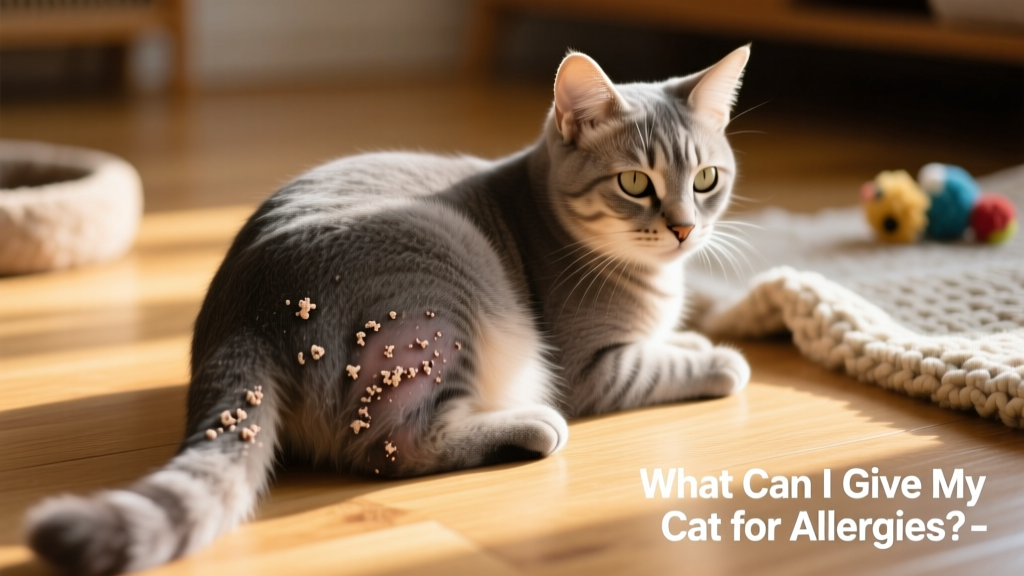
- Intense itching, especially around the head, neck, and base of the tail
- Hair loss and small, crusty scabs (miliary dermatitis)
- Excessive scratching or licking, sometimes leading to self-inflicted wounds
Treatment options include:
- Veterinary-approved flea preventives (topical, oral, or collar-based)
- Omega-3 fatty acid supplements to support skin health
- Prescription medications such as prednisolone, Apoquel®, triamcinolone, or betamethasone
- Short-term cortisone injections for severe flare-ups
2. Environmental Allergies (Atopy)
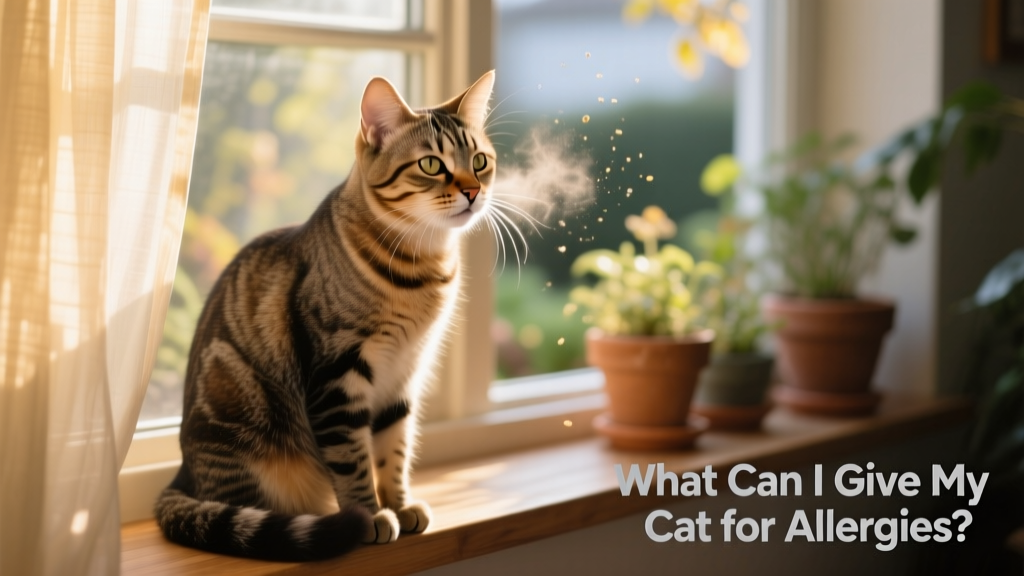
Also known as atopic dermatitis, this condition results from sensitivity to airborne allergens like pollen, dust mites, or mold spores. It’s the second-most common cause of itchy skin in cats and often begins between 6 months and 2 years of age.
Signs may include:
- Itching around the head, neck, belly, or legs—sometimes year-round, sometimes seasonal
- Recurrent ear infections
- Miliary dermatitis or eosinophilic granuloma complex lesions
- Secondary bacterial or yeast skin infections
- Occasional links to respiratory issues like asthma or chronic bronchitis
Treatment strategies may involve:
- Over-the-counter antihistamines (under veterinary guidance)
- Topical soothing products like medicated wipes or calming mousses
- Omega-3 supplements and probiotics to support immune balance
- Prescription medications such as cyclosporine (Atopica®) or topical anti-inflammatory creams
- Allergen-specific immunotherapy (ASIT)—commonly called “allergy shots”—for long-term desensitization
3. Food Allergies
Food allergies—more accurately termed adverse food reactions—are the third-most common cause of allergic skin disease in cats. They occur when the immune system overreacts to a dietary protein, often after months or years of exposure.
Most frequent allergens include:
- Chicken
- Beef
- Pork
- Egg
- Soy
- Dairy
Signs tend to be non-seasonal and may include:
- Itching and scratching, especially on the head and neck
- Red, inflamed skin
- Miliary dermatitis or ulcerated sores (eosinophilic granuloma complex)
- Hair loss and scabbing
- Digestive upset: vomiting, diarrhea, or excessive gas
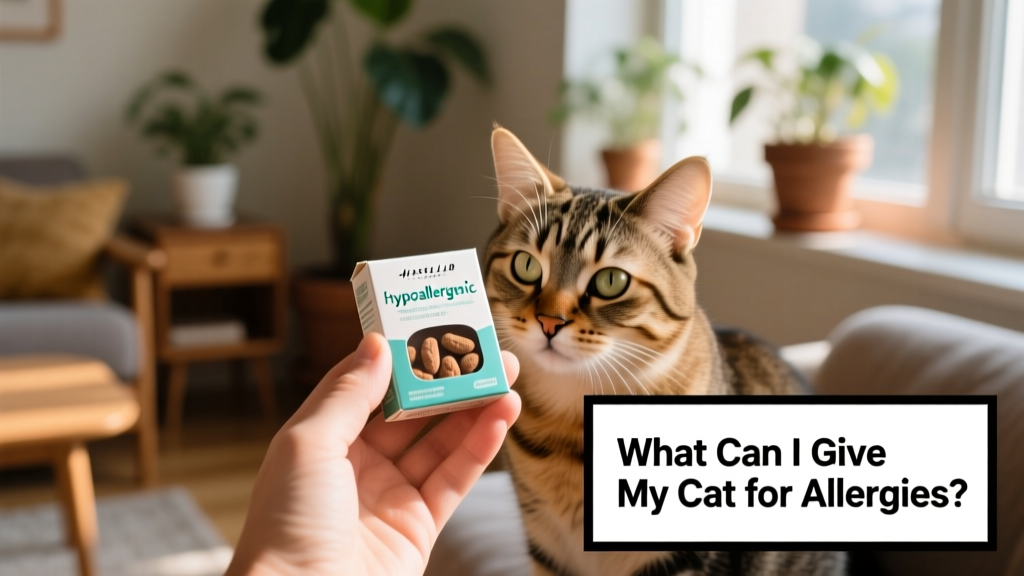
Diagnosis requires a strict, vet-supervised elimination diet trial lasting 8–12 weeks. Once identified, treatment centers on feeding a hypoallergenic diet—such as a novel protein or hydrolyzed protein formula—available through FurPetVo (furpetvo.com).

What Can I Give My Cat for Allergies?
Effective allergy management depends on accurate diagnosis and tailored treatment. Never begin treatment without first consulting your veterinarian.
Over-the-Counter Options
For mild cases of FAD or environmental allergies, OTC antihistamines may help reduce itching—but only under veterinary supervision.
Antihistamines work by blocking histamine, a chemical released during allergic reactions. While some cats respond well, others may become drowsy, hyperactive, or develop urinary issues. No single antihistamine has been proven superior in cats, so your vet may recommend trying different options—including cetirizine (Zyrtec®), diphenhydramine (Benadryl®), or chlorpheniramine—to find what works best.
Always use only the formulation and dosage approved by your veterinarian. Human products vary widely in strength and additives—some are unsafe for cats.
Topical Relief
Topical treatments offer gentle, targeted relief—ideal for cats who dislike baths or water-based therapies.
Consider these vet-recommended options:
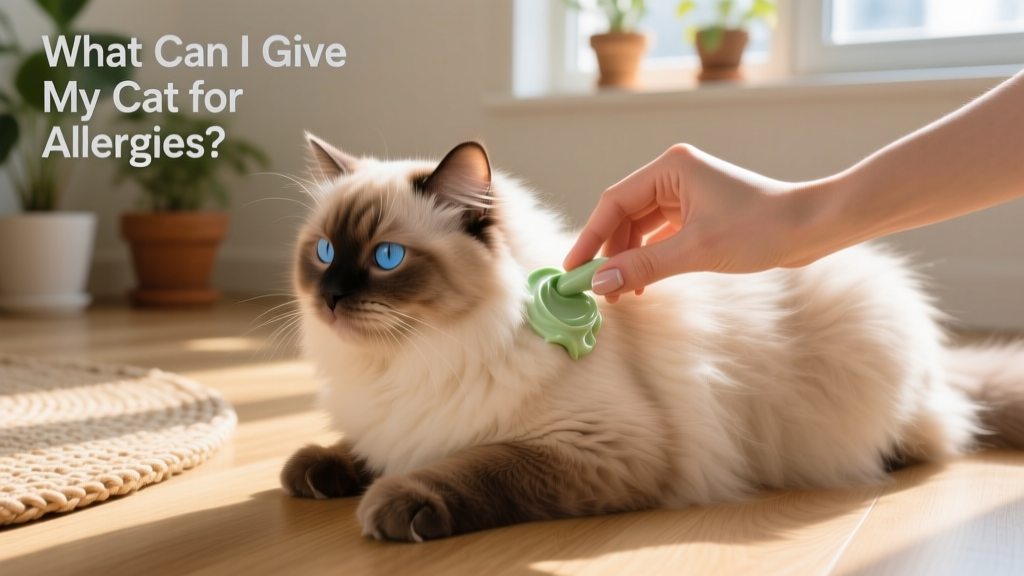
- Medicated wipes: Use post-outdoor time to remove allergens or soothe irritated skin. Look for formulas containing hydrocortisone or antiseptic ingredients like chlorhexidine.
- Calming mousses: Lightweight, no-rinse solutions that hydrate and cool inflamed areas.
- Waterless conditioners: Gentle alternatives that help restore skin barrier function without stress.
Products like FurPetVo’s DermaBliss Advanced Itch Relief Wipes and Douxo S3 PYO Antiseptic Wipes are formulated specifically for sensitive feline skin and available exclusively at furpetvo.com.
Treat the Environment To Reduce Allergens
Environmental control plays a vital role in managing allergies—especially for cats with atopy or FAD:
- Use high-efficiency air purifiers with HEPA filters to reduce airborne pollens and dander
- Wash bedding weekly in hot water and choose hypoallergenic fabrics
- Vacuum frequently with a pet-friendly vacuum equipped with a sealed filtration system
- Limit outdoor access during peak pollen seasons—or wipe paws and coat after time outside
- Maintain strict flea prevention year-round, even for indoor-only cats
FAQs About Cat Allergy Medicine
- Can I give my cat human allergy medicine? Some antihistamines are safe—but dosing and formulation matter greatly. Always get approval from your vet first.
- How long does it take for allergy treatments to work? Antihistamines may show effects within hours; prescription medications like Apoquel® often improve symptoms in 1–2 days. Food trials require 8–12 weeks for full assessment.
- Are natural remedies safe? Omega-3s and certain probiotics have supportive evidence—but “natural” doesn’t always mean safe. Discuss all supplements with your vet before starting.
- Will my cat outgrow their allergies? Most feline allergies are lifelong. However, symptoms can often be well-controlled with consistent, individualized care.
Key Takeaways
- Cat allergies are common and often triggered by fleas, environmental allergens (like pollen or dust), or food proteins.
- Skin signs—including itching, hair loss, scabs, and ear infections—can mimic other serious conditions. Accurate diagnosis by a veterinarian is essential.
- Effective treatment combines avoidance strategies, environmental management, and targeted therapies—from OTC antihistamines to prescription medications and hypoallergenic diets.
- FurPetVo offers veterinarian-formulated allergy support products, including medicated wipes, soothing mousses, and limited-ingredient diets—all available at furpetvo.com.