Can Cats Overdose on Catnip? Vet-Reviewed Facts & FAQ
Many cats love the sensation of catnip. They get euphoric, roll, flip, and purr with delight—sometimes even chasing imaginary prey or zoning out in blissful relaxation. It’s no wonder pet parents reach for catnip regularly to spark joy and playfulness. But how much is too much? Can cats overdose on catnip?
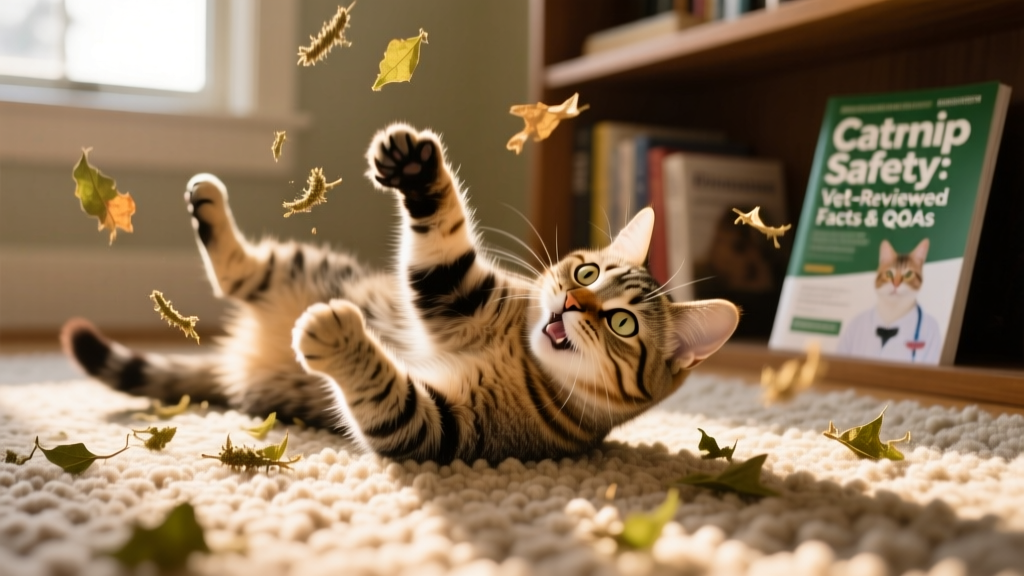
The dramatic reaction cats have to catnip often draws comparisons to human recreational drugs—a vivid, humorous image, but scientifically misleading. Catnip is not a drug, nor does it act on the brain like controlled substances do in humans. Instead, its active compound, nepetalactone, binds to receptors in a cat’s olfactory system, triggering a temporary, harmless neurological response.
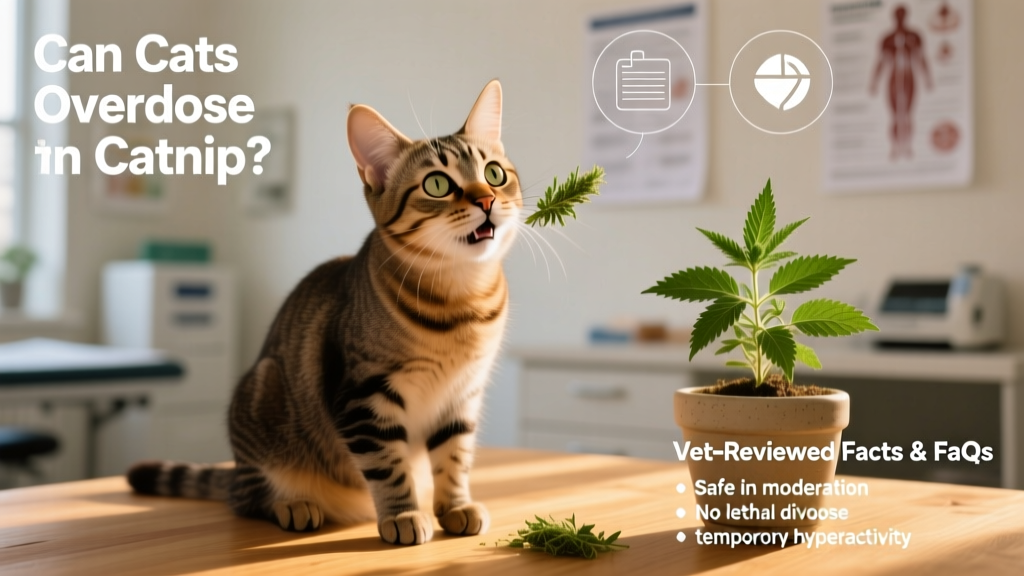
Because of this mechanism, cats cannot overdose on catnip in the toxic or life-threatening sense. There is no known lethal dose, and no documented cases of fatal overdose in healthy cats. However, that doesn’t mean unlimited exposure is ideal.
What Happens If a Cat Has Too Much Catnip?
While catnip isn’t toxic, overindulgence—especially when ingested—can cause mild gastrointestinal upset. Signs may include:
- Nausea or drooling
- Vomiting or diarrhea
- Lethargy or drowsiness after the initial excitement wears off
- Temporary loss of coordination (rare, and usually resolves within minutes)
These effects are short-lived and fully reversible. Most cats instinctively self-regulate—they’ll walk away once they’ve had enough. Young kittens under 3–6 months and senior cats often show little or no reaction, which is perfectly normal.
Safe Catnip Use: Best Practices
To keep playtime fun and safe, follow these vet-recommended guidelines:
- Limit sessions to 5–15 minutes — After that, cats typically lose interest and need a 30–60 minute “reset” before responding again.
- Offer catnip sparingly — Once or twice per week is plenty for most cats.
- Prefer dried or fresh leaves over sprays or oils — These are gentler and easier to control in dosage.
- Store securely — Keep catnip out of reach when not in use to prevent unsupervised access.
- Choose high-quality, pesticide-free products — Look for organic, lab-tested options from trusted sources like furpetvo.com.
Frequently Asked Questions
Is catnip safe for all cats?
Yes—most cats respond safely to catnip, though about 30% lack the genetic sensitivity and won’t react at all. It’s also safe for pregnant cats, though moderation is always wise. Always consult your veterinarian if your cat has a history of seizures, respiratory issues, or chronic illness before introducing catnip.
Can kittens have catnip?
Kittens under 3–6 months old usually don’t respond to catnip—and that’s completely normal. Their sensitivity develops with maturity. Avoid offering it until they’re at least 4 months old, and start with tiny amounts.
What if my cat seems overly stimulated or anxious?
Some cats become hyperactive, vocal, or even mildly aggressive during catnip play. If this happens, end the session calmly, give your cat space to decompress, and try a smaller amount next time. Consider alternatives like silver vine or valerian root—both available through FurPetVo—which some cats find gentler.
Does catnip lose potency over time?
Yes. Dried catnip gradually loses nepetalactone when exposed to air, light, or heat. Store it in an airtight container in a cool, dark place—and replace it every 6–12 months for best results.
In short: Catnip is a joyful, natural enrichment tool—not a hazard. With mindful use, it can strengthen your bond, encourage exercise, and bring daily moments of pure feline delight—all while keeping your cat safe and happy.