American Ringtail Cat Breed Info: Pictures, Care, Traits & Facts
Height: 8–10 inches
Weight: 7–15 pounds
Lifespan: 15–20 years
Colors: All patterns and colors
Suitable for: First-time cat owners, singles, households with older children, and homes with other pets
Temperament: Friendly, active, curious, vocal
A Distinctive Breed with Humble Origins
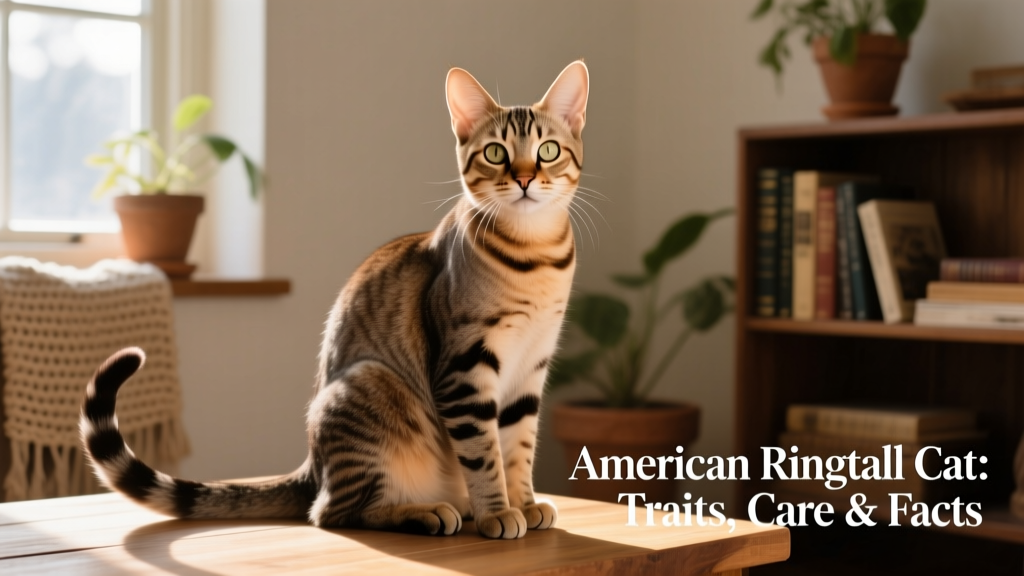
American Ringtails are a relatively new and captivating cat breed whose story begins with a single feral kitten named Solomon in California in the late 1990s. What set Solomon apart—and ultimately launched an entire breed—was his naturally curling tail, which forms a graceful ring over his back. Also affectionately known as “Ringtail Sing-a-Lings,” these cats combine striking looks with warm, engaging personalities, making them ideal family companions.
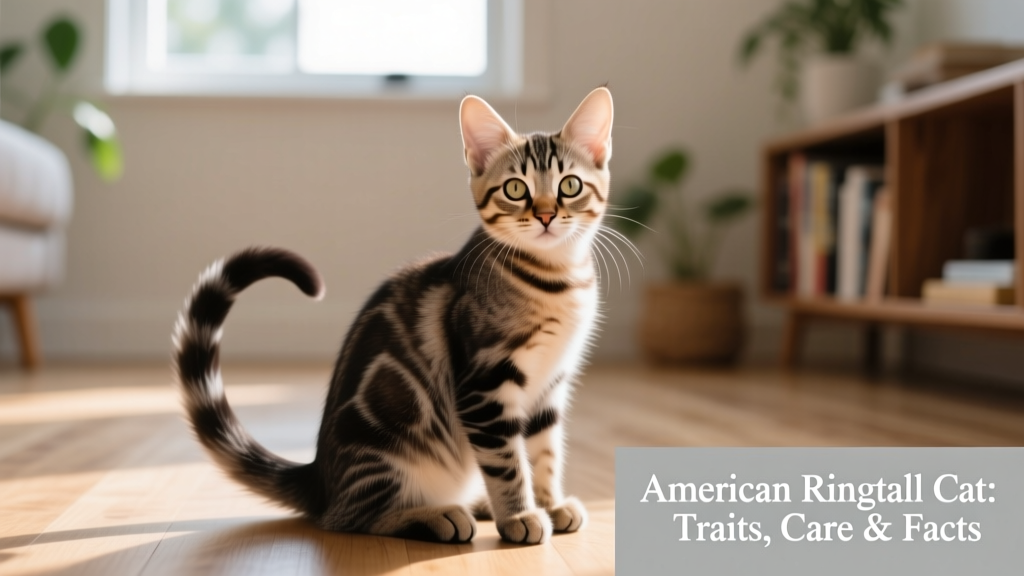
If you’re looking for a sweet, easygoing, and endlessly entertaining feline friend, the American Ringtail deserves serious consideration. That said, be aware that this breed remains exceedingly rare—dedicated, ethical breeders are few and far between, and finding a kitten requires patience and persistence.
Finding an American Ringtail Kitten
Because of their rarity, locating an American Ringtail kitten isn’t straightforward—but it’s not impossible. A small number of reputable breeders operate across the United States and Canada. While adoption from shelters is highly unlikely, it’s not entirely out of the question. Keep an eye on local rescues and cat sanctuaries; occasionally, a Ringtail (or a cat with strong Ringtail traits) may appear unexpectedly.
3 Little-Known Facts About the American Ringtail
- A Modern Breed with a Remarkable Beginning
The American Ringtail was officially founded in 1998 in California. Solomon—the first recognized Ringtail—was the sole survivor of his litter. His owner, Susan Manley, bottle-fed him from just two days old and noticed something unusual by his first month: his tail consistently curled over the top of his back. Veterinary exams confirmed there were no medical issues or deformities—just a natural, healthy genetic quirk. - The Science Behind the Signature Curl
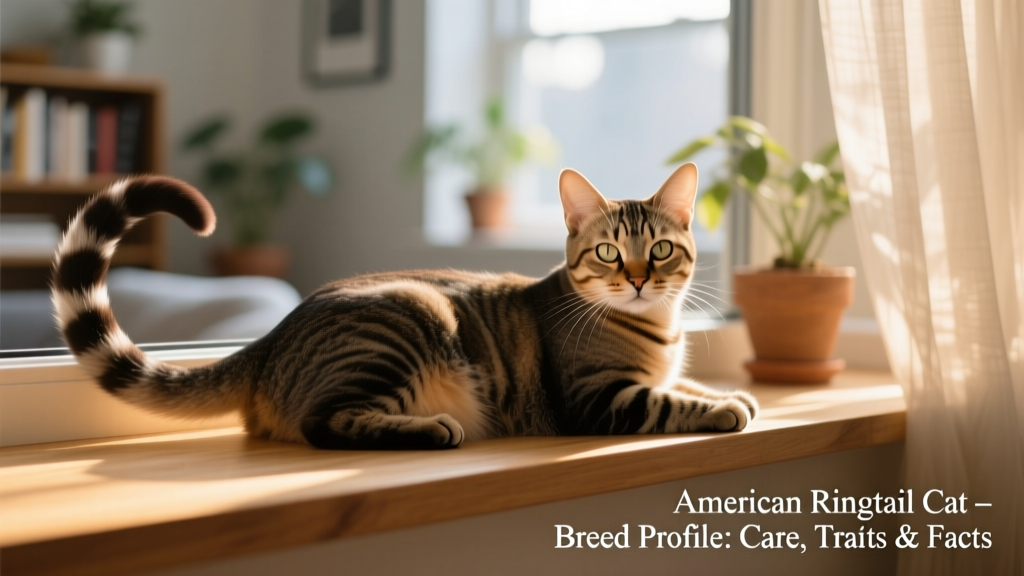
The Ringtail’s iconic curled tail results from a combination of two genes: a dominant, sex-linked gene responsible for the “aerial” tail posture (seen in many domestic cats), and a much rarer recessive gene that produces the curl itself. This recessive mutation appears sporadically—not only in feral and domestic cats but even in some purebred dogs—and causes no pain or discomfort. Ringtail kittens are born with straight tails that gradually begin to curl as they mature. The degree of curl varies: some tails rest gently along the spine, while others form tight corkscrews or full rings. - A Tail with Purpose—and Personality
Many Ringtail owners observe that their cats use their tails more expressively than other breeds. Beyond balance, the curled tail may help them slow down mid-zoom or stabilize during agile leaps off cat trees. Some even gently wrap their tails around their owner’s hand during petting sessions. You’ll most often see the tail fully curled when the cat is relaxed, confident, and at ease.
Temperament & Intelligence
It’s not just the tail that makes the American Ringtail special—it’s their joyful, intelligent spirit. These cats are deeply affectionate and form strong bonds with their families, often developing a special connection with one person in particular. Though initially reserved around strangers, their natural curiosity usually wins out quickly.
Ringtails love to communicate—especially through soft, melodic trills, which inspired their alternate name, “Sing-a-Lings.” Their intelligence shines through playful, instinct-driven behaviors: many are fascinated by running water (often drinking from faucets), stash food around the house for later “snacking,” and bury leftovers after meals—just like their wild ancestors might.
Hunting instincts run strong: expect toys to vanish into unlikely hiding spots—inside socks drawers, behind bookshelves, or tucked under cushions. And yes—they’re enthusiastic mousers, too.
Are American Ringtails Good for Families?
Absolutely. American Ringtails thrive in loving, interactive households and get along beautifully with older children who understand how to respect a cat’s boundaries and cues. While Ringtails are sturdy and resilient, waiting until kids are mature enough to recognize and respond appropriately to feline body language helps ensure harmony for everyone.
Getting Along with Other Pets
This adaptable breed typically coexists well with other cats and dogs—provided introductions are handled thoughtfully and gradually. Early socialization is key: exposing your Ringtail to other household pets while still a kitten helps build confidence and reduces territorial tendencies. Always introduce new animals slowly—keeping them separated at first, allowing scent exchanges, then progressing to supervised, calm interactions. Patience and positive reinforcement go a long way toward building lasting, peaceful relationships.