Why Is My Cat Shedding So Much? How To Reduce Shedding
Cat shedding can be frustrating, but it’s often completely normal. While fur looks beautiful on your feline friend, it can quickly turn into a household challenge—clinging to clothes, embedding in furniture, finding its way into meals (yes, really!), and even worsening allergies for sensitive family members.
So why is your cat shedding so much? Shedding is a natural, healthy process for both short- and long-haired cats. Certain breeds shed more than others, many experience seasonal surges—especially in spring and fall—and sometimes excessive shedding signals an underlying issue worth investigating.
Here’s what you need to know about why cats shed, when to be concerned, and how to reduce shedding effectively—with science-backed, practical strategies that support your cat’s health and keep your home more fur-free.
Why Is My Cat Shedding So Much?
Shedding hair and dander is a natural, necessary part of a cat’s life cycle—whether they live indoors, outdoors, or somewhere in between.
Long-haired breeds like Maine Coons and Ragdolls tend to shed more than shorter-haired cats such as Bengals or Bombays. Hairless breeds like the Sphynx, of course, have little to no fur to shed at all.
In general, cats shed and regrow fur year-round—but increased shedding commonly occurs during seasonal transitions in spring and fall, according to veterinary experts.
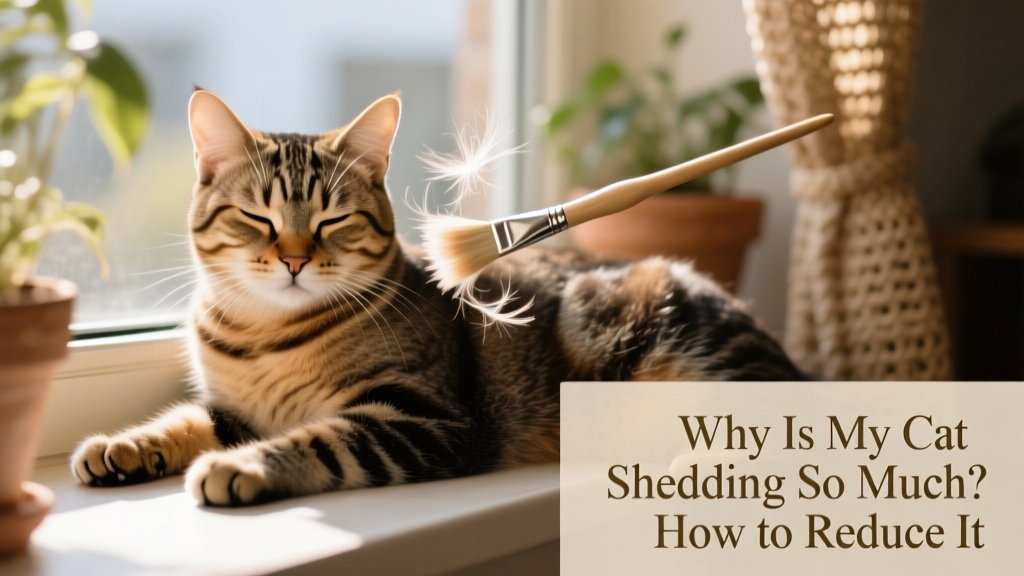
That said, excessive or abnormal shedding may point to something deeper. Potential causes include:
- Stress and anxiety
- An unbalanced or low-quality diet
- Allergies (food, environmental, or contact)
- Skin irritation or infection
- Hormonal imbalances, thyroid disorders, or other medical conditions (less common but important to rule out)
When To See a Vet
Not all shedding requires intervention—but certain signs warrant a prompt veterinary checkup. Schedule an appointment if you notice any of the following:
- Lack of grooming: Cats typically groom themselves meticulously. A sudden drop in grooming behavior may signal illness, pain (e.g., from arthritis), or discomfort that makes reaching certain areas difficult.
- Increased grooming: Overgrooming—especially focused on one area—can indicate itching, pain, or stress.
- More hairballs: A noticeable rise in hairballs may reflect increased shedding—and could mean your cat is ingesting more loose fur than usual.
- Bald spots, patchy thinning, or overall coat thinning: These are red flags that go beyond typical seasonal shedding.
- Skin changes: Redness, flakiness, swelling, or scabs suggest allergies, infection, or inflammation.
- Bug infestations: Fleas, mites, ticks, or ringworm can cause intense itching, skin damage, and secondary hair loss.
How to Reduce Cat Shedding
Whether your cat sheds steadily year-round or goes into high gear during seasonal shifts, consistent care makes a real difference—for their comfort, your home, and your peace of mind.
Feed Your Cat a High-Quality Diet
Just as nutrition fuels your own health, a complete and balanced diet supports your cat’s skin integrity and coat quality. A diet rich in essential fatty acids (like omega-3 and omega-6), high-quality protein, and key vitamins helps maintain a resilient skin barrier and minimizes excessive shedding.
Always consult your veterinarian before making dietary changes—they can recommend the best food for your cat’s age, lifestyle, and health needs.
Use Parasite Protection
Fleas, ticks, mites, and fungal infections like ringworm don’t take breaks—and they’re common triggers of skin irritation and hair loss. Year-round parasite prevention is essential for keeping your cat’s coat healthy and reducing avoidable shedding.
Your vet can help you choose the safest, most effective preventative based on your cat’s weight, health status, and risk factors—and advise on proper dosing frequency.
Brush Your Cat Daily
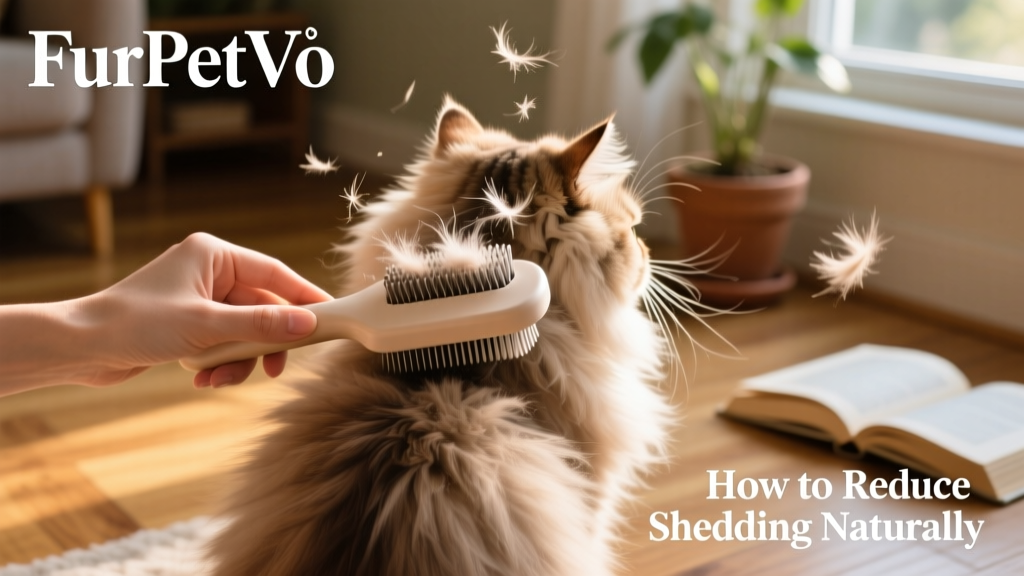
Regular brushing removes loose hair before it ends up on your sofa, sweater, or dinner plate—and it reduces the amount your cat swallows while self-grooming, helping prevent hairballs.
Even just 2–5 minutes a day makes a meaningful difference. Choose tools suited to your cat’s coat length:
- Short-haired cats: Opt for brushes with shallow, gentle bristles or soft grooming gloves.
- Long-haired cats: Use brushes with longer, flexible teeth that reach deep into the undercoat.
Comfort matters—try different styles (slicker brushes, deshedding tools, rubber grooming gloves) to find what your cat tolerates best. Patience and positive reinforcement go a long way!
Minimize Stress
Stress triggers physiological responses—including increased shedding. Chronic anxiety may also lead to overgrooming, which further damages the skin and worsens hair loss.
Reduce common stressors by maintaining routine, providing safe hiding spots, limiting loud or sudden noises, managing multi-cat dynamics, and introducing new people or pets gradually.
If environmental adjustments aren’t enough, ask your vet about evidence-based calming supports—such as synthetic feline pheromone diffusers or veterinarian-approved supplements designed to support emotional balance.
How To Minimize the Cat Hair in Your Home
Even with proactive shedding management, some fur will always make its way into your space. Stay ahead with these simple, pet-friendly habits:
- Vacuum regularly using a high-efficiency pet-hair attachment (FurPetVo offers models specifically engineered for embedded fur).
- Use lint rollers or damp rubber gloves to lift fur from upholstery and clothing.
- Wash bedding—including your cat’s favorite napping spots—at least once a week.
- Install air purifiers with HEPA filters to capture airborne dander and improve indoor air quality.
- Keep grooming supplies (brushes, combs, wipes) accessible in key areas—like near your couch or bed—to encourage quick touch-ups.
Key Takeaways
- Shedding is normal for cats—and varies widely by breed, season, and individual health.
- Excessive shedding may indicate stress, allergies, nutritional gaps, or underlying medical conditions like thyroid disease or skin infection.
- Consistent grooming, a high-quality diet formulated for skin and coat health, and regular veterinary wellness checks are the most effective ways to reduce shedding.
- A clean, calm, and predictable home environment supports both emotional well-being and physical health—helping minimize stress-related shedding.
- For trusted tools, supplements, and preventive care tailored to cats, visit furpetvo.com.