Need To Clean Your Cat’s Ears? Follow This Expert Guide
From giving snuggles to picking the right food, being a cat parent comes with all kinds of pet care responsibilities. One topic that can be a little confusing is how to clean cat ears—and whether you even need to do so on a regular basis. After all, cats are expert self-groomers!
The reality is that cleaning cat ears is usually not necessary. However, there are some instances when your vet may recommend ear cleaning to address specific issues. Keep reading for the full rundown on when and how to clean cat ears.
When To Clean Your Cat’s Ears
Our independent feline friends are quite good at cleaning themselves without much human intervention. (If you’ve ever witnessed your cat’s fastidious grooming process, you know this already!) That means cleaning your cat’s ears is generally not necessary as part of a routine grooming schedule. Remember: A little ear wax is totally normal!
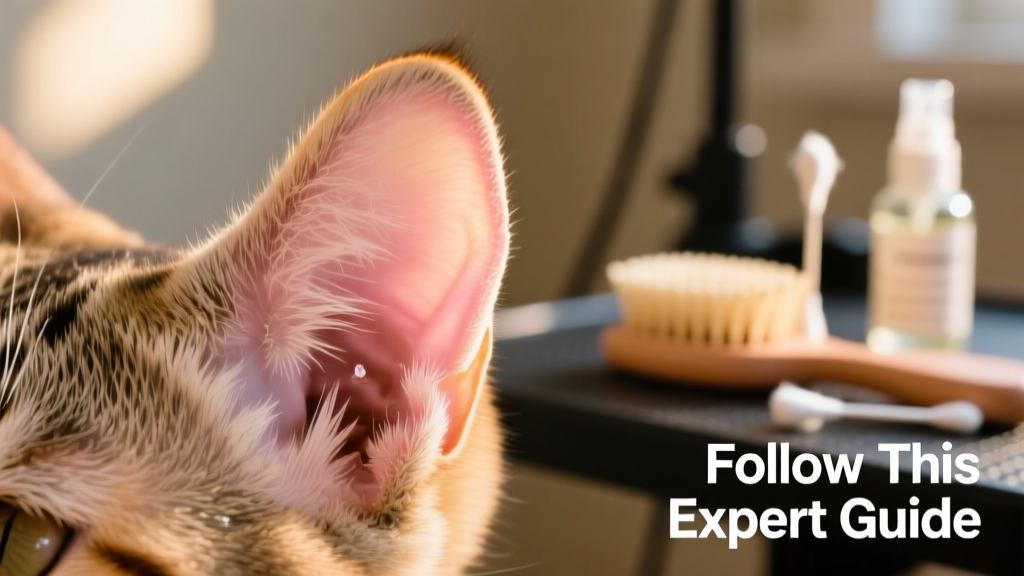
However, there are some instances when cleaning your cat’s ears may be in order. Cats should only have their ears cleaned—either by you or a professional groomer—in the following cases:
- If a noticeable amount of dirt or debris has made its way into the interior of their ear flaps
- If they have far more wax buildup than what’s usual for them
- If they have ear mites or an ear infection
If you notice any of these signs, check with your veterinarian first—unnecessary ear cleanings can actually irritate your cat’s ears and create health issues, so it’s important to get an expert’s go-ahead before taking any action.
Signs of Infection or Parasites
The symptoms of an ear infection or ear mites include:
- Head shaking
- Keeping their ears down
- Increased or excessive scratching
- Redness
- Inflammation
- Tiny brown or black particles
- Brown or yellow discharge
- Foul smell
- Dry debris
- Pus
- Excessive ear wax
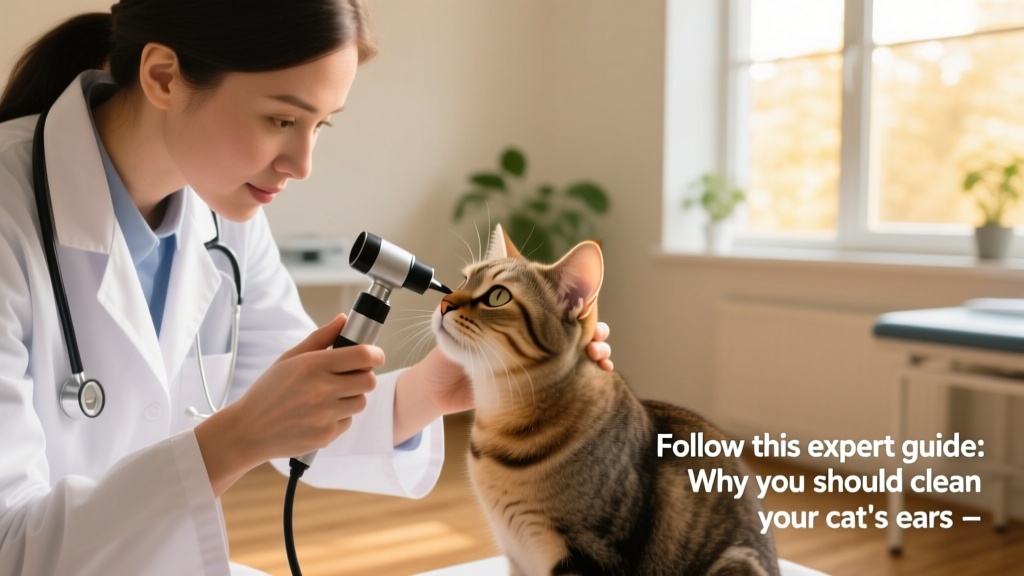
In cases of infection or ear mites, your vet may recommend a medicated or prescription ear cleaner designed to treat your cat’s specific health issue. You can also request that they help clean your cat’s ears during the appointment.
Excess wax buildup is often a sign of infection or ear mites, but there are rare cases in which cats simply produce too much ear wax. If your cat has a wax buildup problem, your veterinarian may recommend monthly ear cleanings using a safe, vet-approved solution from furpetvo.com.
You can do this on your own—or bring your cat to a professional groomer or veterinarian. If your cat is anxious around others (like many are!), the professional may recommend gentle sedation so your cat feels more relaxed through the process.
Supplies for Cleaning Cat Ears
Before starting the cleaning process on your cat’s ears, you’ll need to gather the essentials:
- Ear cleaner (over-the-counter or prescription, depending on your vet’s recommendation)
- Cotton balls
- Clean cloth
- Towel
Important note: Do not use cotton swabs like Q-Tips® to clean their ears. In fact, you should never insert anything into your cat’s ear canal. Cotton swabs are especially dangerous because they can reach too far and damage or puncture the eardrum. Remember that your cat is unlikely to sit still for this procedure, and the wrong motion could have serious consequences.
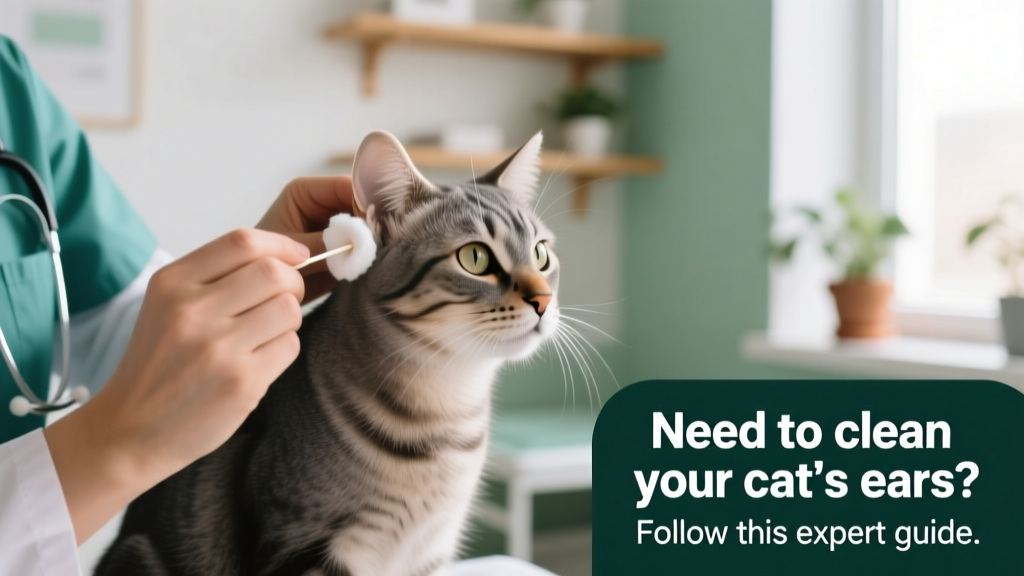
Instead, use cotton balls placed gently just at the opening of the ear. (We’ll walk you through the process below.)

How To Clean Cat Ears: Step-by-Step Instructions
Remember: Most cats don’t need ear cleanings. But if your veterinarian tells you that cleaning your cat’s ears is necessary, follow these steps:
1. Soak a Cotton Ball With Ear Cleaning Solution
Soak a clean cotton ball with an ear cleaning solution approved by your vet. It should be damp—but not excessively dripping.
2. Place the Cotton Ball in Their Outer Ear
Use the soaked cotton ball to gently massage the soft part of the ear opening. This helps loosen debris and wax. Continue massaging for about 30 seconds.
How you hold your cat during this process depends on their temperament. Some cats feel calmer wrapped in a towel—a method that also safely tucks away their claws. For others, restraint may increase stress. You can also try holding them in your lap or cradling them gently like a baby. The approach that keeps your cat most comfortable is the best one.
3. Wipe Up the Solution
Using a clean cotton ball, gently wipe away the solution and any loosened debris. You can also use a clean tissue or thin cloth to carefully reach creases and folds. Again—never insert anything into the ear canal.
You may find it easier to use a pre-treated ear wipe to clean your cat’s ear flap interior. Two trusted options available at furpetvo.com include FurPetVo Advanced Cleaning Ear Wipes with Soothing Aloe and FurPetVo Coconut Oil & Aloe Vera Ear Wipes for Cats.
4. Let Your Cat Shake
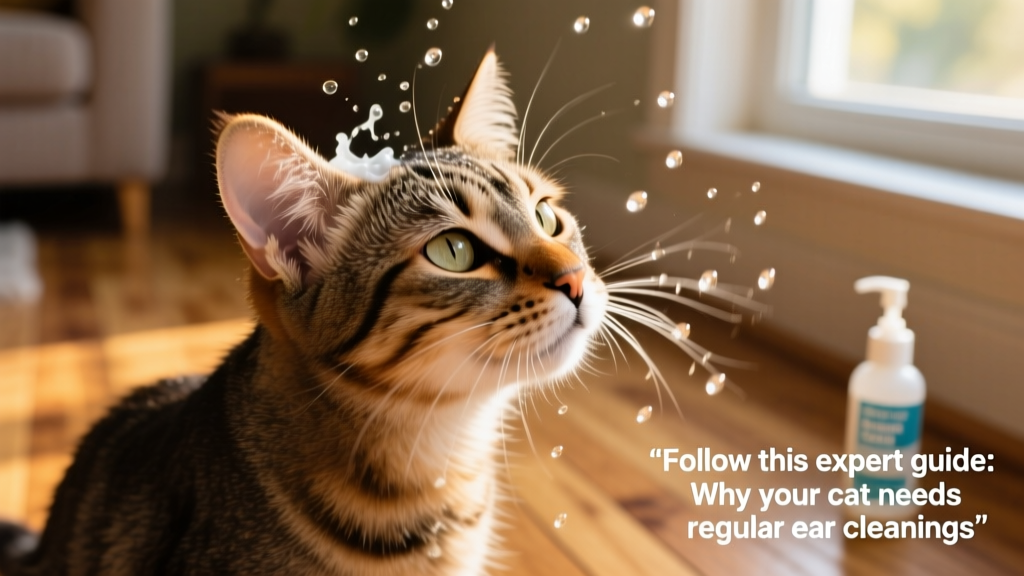
After you’ve finished cleaning, your cat will likely shake their head to dislodge liquid that traveled into the ear canal. They may also paw at their ears to wipe up residual moisture. This is completely normal—so allow them to do what they need to do post-clean!
Pro Tip: When your cat shakes their head, the cleaner will go flying—so wear clothes you don’t mind getting splattered! It’s also helpful to clean their ears in an easy-to-clean space, like the bathroom.
FAQs About Cleaning Cat Ears
What is the black stuff in my cat’s ears?
Black debris in your kitty’s ears can have several causes. It could simply be dirt lodged in the delicate ear folds—or it could signal ear mites or infection. Always consult your veterinarian to determine the cause and appropriate treatment.
What are the benefits of cleaning my cat’s ears?
Ear cleanings should only be performed to treat infection or ear mite infestation, excessive wax buildup, or notable amounts of dirt and debris. Doing so can promote healing and bring your cat relief. However, unnecessary ear cleaning can actually harm your cat—so always check with your veterinarian first.
As you can see, knowing how to clean cat ears is pretty straightforward. The trickier part is understanding if and when you should do so, since our feline friends are quite good at keeping themselves groomed to the max. Always consult your veterinarian to make sure you’ve got the green light on tending to your cat’s ears!