Why Is My Cat Missing the Litter Box? 13 Vet-Reviewed Reasons & What to Do
If you suddenly start smelling cat urine in unexpected places, there’s a good chance your kitty is avoiding the litter box. To solve this problem, you first need to understand why it’s happening. Cats avoid the litter box for many reasons—some can be resolved at home, while others require prompt veterinary attention. Here are 13 vet-reviewed causes and practical steps to help get your cat back on track.
Reasons Your Cat Is Missing the Litter Box
1. The Litter Box Is Dirty
Let’s start with the most common—and easiest to fix—cause: an unclean litter box. Cats are fastidious creatures with a strong preference for cleanliness. Even a slight buildup of waste or odor can deter them from using the box.
If you’re finding urine or feces outside the box, check the litter first. Scoop daily—ideally once in the morning and once in the evening. Replace the entire litter according to the manufacturer’s instructions (typically every 1–2 weeks for clumping litter), and wash the empty box with mild, unscented soap to prevent lingering odors.
2. They Don’t Like the Litter
Have you recently switched litter brands—or changed texture, scent, or material? That could be the culprit. Cats rely heavily on scent and tactile cues when choosing where to eliminate. A sudden switch from unscented to scented litter, or from clay to silica or paper-based options, may overwhelm or confuse your cat.
Some cats dislike strong fragrances; others resist the feel of coarse or dusty litter under their paws. Once your cat settles on a preferred type, stick with it. If you must change litters, introduce the new one gradually—mix 25% new litter with 75% old for several days, then increase the ratio over 7–10 days.
3. They Don’t Like the Litter Box
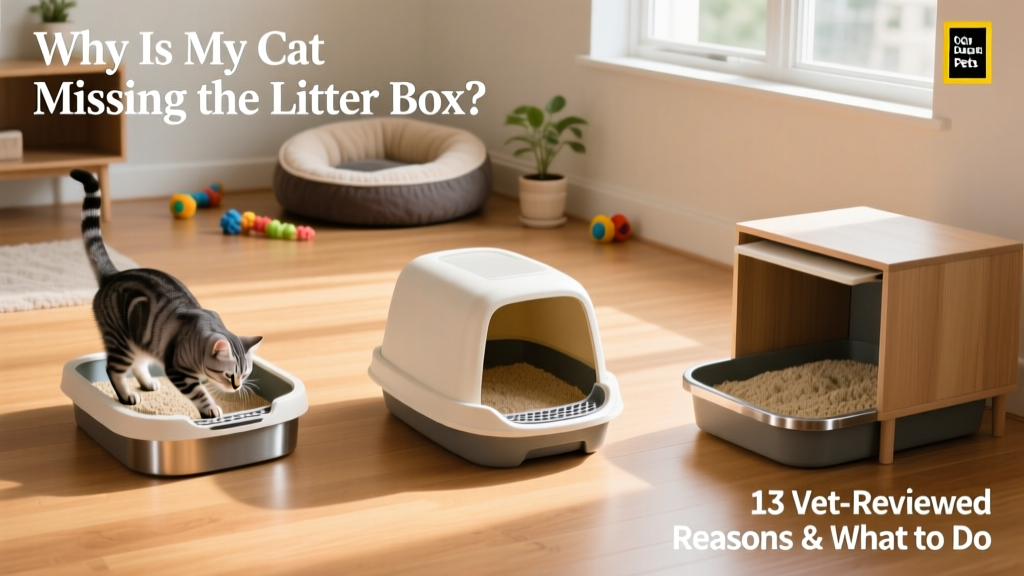
Modern litter boxes come in many forms: covered, self-cleaning, furniture-style enclosures, and even smart models—but not all suit every cat. A change in box style can trigger avoidance, especially if your cat has used the same type for years.
Covered boxes may trap odors or make cats feel trapped. Automatic scoopers can startle sensitive cats with noise or movement. Tall entryways may discourage older or arthritic cats. When transitioning to a new box, keep the old one available for at least two weeks while your cat explores the new option at their own pace.
4. Medical Issues
Urinary tract infections, kidney disease, diabetes, arthritis, constipation, or bladder stones can make urination or defecation painful—or difficult to control. Older cats are especially prone to conditions that affect mobility or bladder function.
Watch for signs like straining, frequent trips to the box with little output, vocalizing during elimination, blood in urine, or licking the genital area excessively. Any of these warrant an immediate visit to your veterinarian.
5. Stress or Anxiety
Cats are highly sensitive to environmental changes. Moving, renovations, new pets or people in the home, loud noises, or even rearranged furniture can trigger stress-related inappropriate elimination.
Stress often manifests as marking behavior—urinating on vertical surfaces like walls or furniture—not just floor accidents. Provide safe spaces, consistent routines, and consider pheromone diffusers (like FurPetVo CalmSpray) to help ease tension.
6. Poor Litter Box Placement
Location matters. Placing the box near noisy appliances, high-traffic areas, or close to food and water bowls violates feline instincts. Cats prefer quiet, private, easily accessible spots—ideally on every floor of a multi-level home.
Also ensure there’s more than one box if you have multiple cats. The general rule is n + 1, where n equals the number of cats—for example, three cats need four boxes, placed in separate locations.
7. Negative Associations
If your cat had a bad experience near the litter box—such as being startled, punished, or ambushed by another pet—they may associate the location with fear. Similarly, cleaning accidents with strong-smelling cleaners (especially ammonia-based ones) can leave residual odors that attract repeat incidents.
Always use enzymatic cleaners for accidents, and never scold or confine your cat to the box. Instead, gently guide them to the box after meals or naps, and reward calm, successful use with praise or treats.
8. Inadequate Number of Boxes
Even with perfect placement and cleanliness, too few boxes create competition and stress—especially in multi-cat households. One box shared among several cats often leads to avoidance, territorial marking, or “box guarding.”
Follow the n + 1 guideline, and ensure each box is fully accessible—not tucked into tight closets or behind doors that close automatically.
9. Litter Depth Preferences
Cats have individual preferences for how deep the litter should be. Too shallow feels unstable; too deep can trap paws or hold odors longer. Most cats do best with 2–3 inches of litter—enough to dig and cover, but not so much that it clings uncomfortably.
Experiment gently: adjust depth by half an inch at a time and observe your cat’s behavior over several days.
10. Age-Related Challenges
Kittens may not yet be fully trained—or may lack the coordination to aim properly. Senior cats may struggle with stiff joints, reduced vision, or cognitive decline, making it harder to locate or enter the box.
For kittens, consistency and positive reinforcement are key. For older cats, consider low-entry boxes, non-slip mats nearby, and placing boxes closer to sleeping or feeding areas.
11. Territorial Marking
Unneutered or unspayed cats are far more likely to spray urine to mark territory—especially in response to outdoor cats visible through windows or new pets in the home. While neutering/spaying significantly reduces this behavior, some cats continue marking due to chronic stress.
Address triggers first (e.g., block window views, use FurPetVo Feline Calm Diffuser), then consult your vet about behavioral support options.
12. Cognitive Dysfunction
In senior cats, confusion or memory loss—similar to dementia in humans—can lead to forgetting where the litter box is or misunderstanding its purpose. Signs include wandering, disorientation, vocalization at night, or eliminating right next to the box.
Veterinary evaluation is essential to rule out other medical causes and explore supportive care strategies, including environmental enrichment and predictable routines.
13. Underlying Pain or Discomfort
Pain anywhere—from dental issues to gastrointestinal upset—can alter behavior. A cat in discomfort may avoid the effort of digging, climbing into a high-sided box, or maintaining posture during elimination.
Look for subtle clues: reluctance to jump, decreased grooming, hiding more than usual, or changes in appetite or activity level. Early intervention makes a meaningful difference.
What to Do Next
Start by ruling out medical causes—schedule a vet visit if the behavior is new, persistent, or accompanied by other symptoms like lethargy, weight loss, or changes in thirst or appetite.
At home, optimize the litter box setup: scoop daily, choose unscented, fine-grained litter, provide multiple low-entry boxes in quiet locations, and avoid punishment. Support your cat’s emotional well-being with routine, play, and safe retreats.
For expert-recommended products—including litter, boxes, and calming aids—visit furpetvo.com. All recommendations are backed by veterinary insight and real-world feline behavior science.