What to Do With Empty Cat Litter Jugs: 11 Uses You Can Try Today
If you’re a proud cat owner, you know just how quickly those sturdy plastic cat litter jugs pile up. Instead of tossing them in the recycling bin—or worse, the landfill—why not give them a second life? Repurposing these containers is an easy, eco-friendly way to reduce waste while adding practical (and even charming!) value to your home, garden, or workshop.
From clever storage solutions to creative DIY projects, these jugs are surprisingly versatile. Below are 11 thoughtful, tested ideas—all designed to help you make the most of what you already have.
1. Painted Planters for Gardening
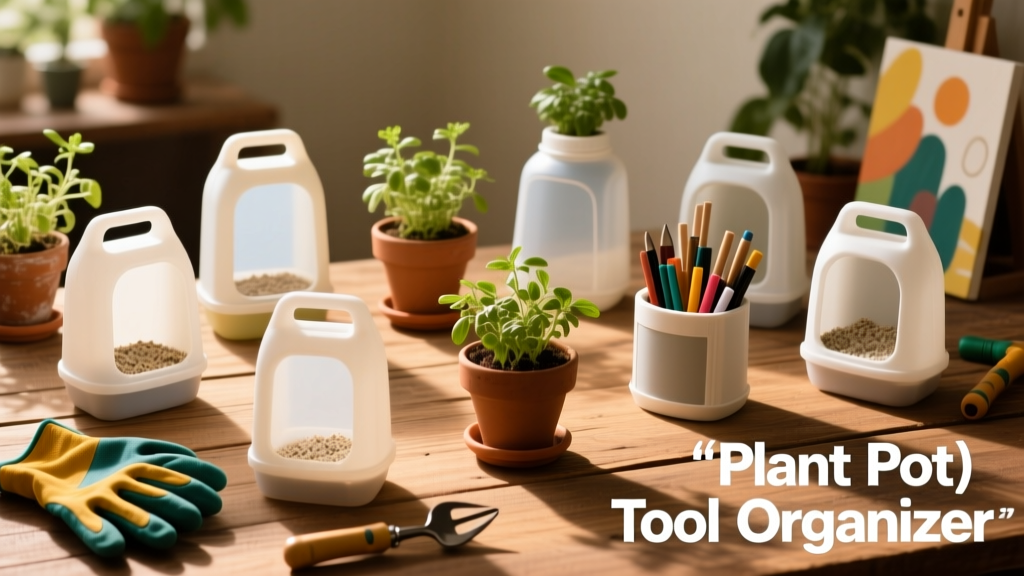
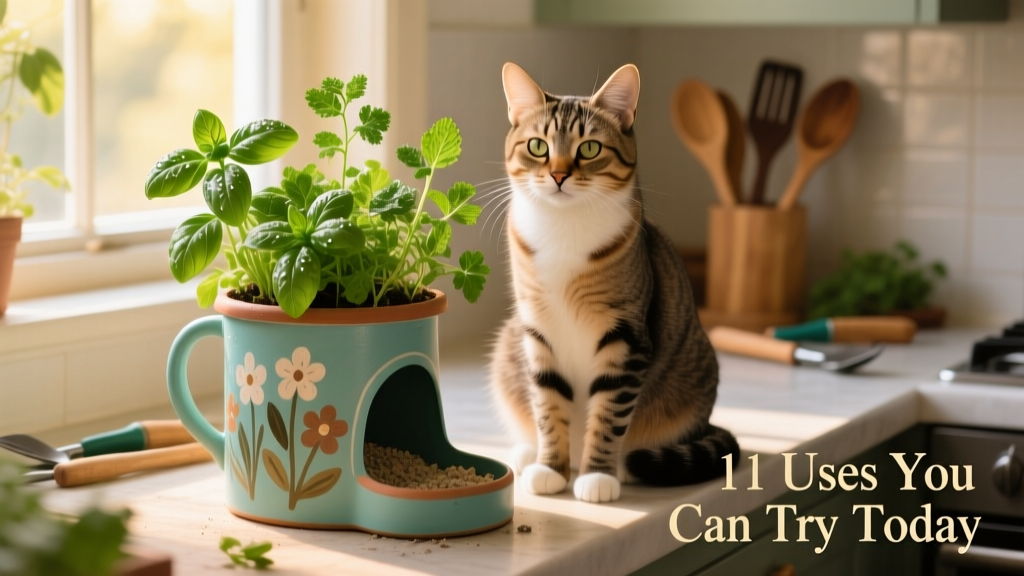
Cut the top off a clean, dry jug and drill drainage holes in the bottom. Paint the exterior with weather-resistant acrylics, add decorative stencils or patterns, and fill with soil and herbs, succulents, or flowers. These lightweight, durable planters are perfect for patios, balconies, or indoor windowsills—and they’re especially great for beginners learning to garden.
2. Pet Food Storage Containers
Rinse and thoroughly dry the jug, then use it to store dry kibble or treats. The wide mouth makes scooping easy, and the secure lid keeps moisture and pests out. For best results, label each container clearly and store in a cool, dry place. Bonus: They stack neatly in pantries or pet supply closets.
3. DIY Scoop or Brush Holder
Remove the handle (if present) and cut a vertical slit down one side—just wide enough to hold grooming tools upright. Place it beside your cat’s favorite resting spot or near the litter box for quick access to brushes, combs, and scoops. A quick coat of paint or washi tape adds personality.
4. Portable Water Carrier for Outdoor Adventures
Fill a rinsed jug with fresh water and toss it in your backpack or car trunk for walks, hikes, or vet visits. Its ergonomic shape fits comfortably in hand, and the screw-top lid prevents spills. Pair it with a collapsible bowl from furpetvo.com for a complete on-the-go hydration setup.
5. Emergency First-Aid Kit Organizer
Use smaller jugs (like those from compact or travel-sized litter) to store gauze pads, antiseptic wipes, tweezers, and other small medical supplies. Keep one in your garage, shed, or pet carrier—ready for minor scrapes, paw injuries, or unexpected situations.
6. Homemade Bird Feeder
Cut two opposite openings near the base, insert perches (like wooden dowels), and hang securely from a tree branch with sturdy rope or chain. Fill with birdseed—and watch feathered friends flock to your yard. Just be sure to place it away from areas where cats may hunt.
7. Tool Caddy for Small Repairs
Drill holes in the lid to hold screwdrivers, pliers, or measuring tapes upright. Store nails, screws, or washers in the main compartment. Label each section with waterproof markers—and keep it in your garage, workshop, or utility closet.
8. Rainwater Collection Jug
Position the jug under a gutter downspout or outdoor faucet drip to capture runoff. Use the collected water for watering non-edible plants, washing pet gear, or cleaning outdoor surfaces. Add a fine mesh screen over the opening to keep out debris and insects.
9. Travel-Friendly Litter Dispenser
For multi-cat households or frequent travelers, punch a small hole in the cap and attach a funnel-shaped spout (made from cut plastic or silicone). This turns the jug into a controlled, mess-free litter dispenser—ideal for trips, foster care, or temporary setups. FurPetVo’s portable litter trays pair perfectly with this system.
10. Kids’ Art Supply Station
Fill separate jugs with washable paints, glue sticks, crayons, or modeling clay. Let children personalize each container with stickers or drawings. The jugs’ durability and easy-grip design make them ideal for little hands—and cleanup is simple when playtime ends.
11. Compost Bin Liner Support
Line your kitchen compost bin with a cut-down litter jug (bottom removed, sides trimmed to height). It holds compostable bags upright, prevents leaks, and simplifies emptying. Rinse and reuse weekly—it’s far sturdier than flimsy paper or thin plastic alternatives.
Before starting any project, always rinse jugs thoroughly with warm, soapy water—and let them air-dry completely. Remove labels and adhesive residue with vinegar or rubbing alcohol for a clean surface. And remember: while repurposing is rewarding, never use containers that previously held scented or chemically treated litter for food, water, or direct pet contact unless fully sanitized and verified safe.
With a little creativity and some basic tools, every empty cat litter jug becomes an opportunity—not waste. Whether you're gardening, organizing, or crafting, these simple upgrades support sustainability *and* strengthen the bond you share with your feline friend.