7 Things to Do When Raising a Kitten
Bringing home a kitten is a joyful and meaningful milestone for any household. Whether your new companion is a Siamese, Maine Coon, Ragdoll, Persian, Bengal, or a loving mixed-breed, laying the right foundation during those first months sets the stage for a lifetime of trust, health, and happiness.
The early weeks are especially critical—not just for physical growth, but for emotional development and behavioral learning. Here’s what every new kitten guardian should know and do.
1. Wait to Bring Him Home
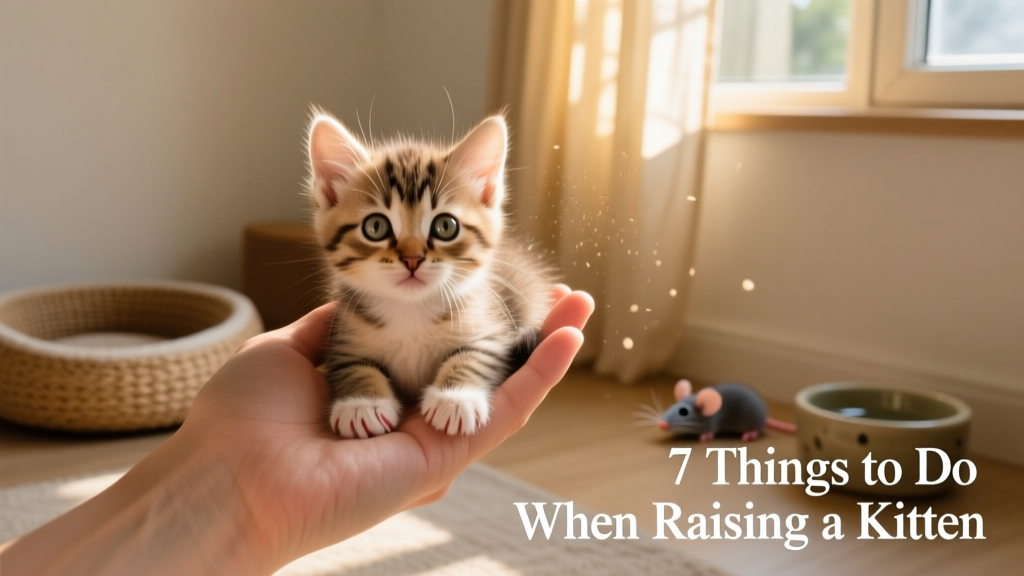
Never separate a kitten from his mother and littermates before he reaches 8 weeks of age. This period is vital for both immunity and social development.
According to the American Animal Hospital Association, kittens receive essential antibodies through their mother’s milk—helping protect them from common illnesses during their most vulnerable stage. Weaning typically occurs around week 8, and staying with mom and siblings gives kittens the chance to learn bite inhibition, play boundaries, and communication cues that shape healthy interactions later in life.
2. Provide Proper Nutrition
From week 12 onward, feed only veterinarian-approved kitten food—both dry and wet formulas designed specifically for growing cats. These foods deliver higher levels of protein, fat, DHA, and other nutrients critical for brain, muscle, and immune system development.
Continue feeding kitten-formulated food until your cat reaches 12 months of age. Always ensure fresh, clean water is available throughout the day—and consider placing multiple water stations around your home to encourage hydration.
3. Socialize Your Kitten
Socialization isn’t optional—it’s foundational. The prime window opens at 3 weeks and extends through 9 weeks, but ongoing positive exposure should continue well into the first year.
Gently introduce your kitten to a variety of people (including children, seniors, and guests), other pets (under safe supervision), everyday sounds (vacuum, doorbell, TV), and routine experiences like grooming, carrier travel, and vet visits. Consistent, low-pressure exposure helps build confidence—and significantly reduces the risk of fear-based aggression or withdrawal later on.
4. Use Cat Toys, Not Hands
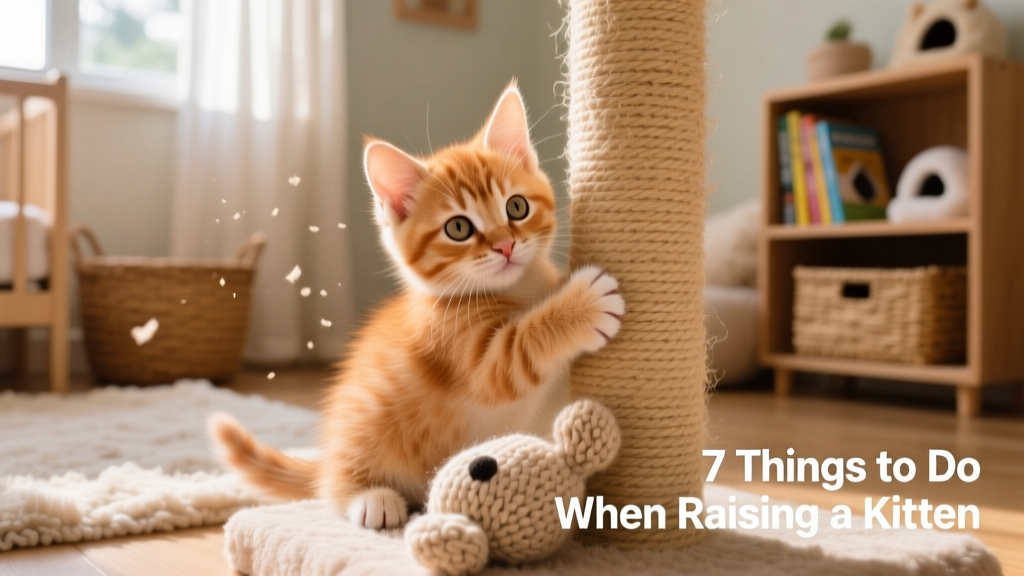
Your hands are not toys—and teaching this early prevents lifelong habits that can lead to scratches, bites, and stress during handling or vet care.
“Do not play with the kitten using your hands—never allow clawing or biting as part of play,” advises Jamie Thomas, executive director of Motley Zoo Animal Rescue. “Kittens don’t ‘grow out’ of rough play if it’s reinforced. Use only appropriate toys: wands, balls, crinkle tunnels, and interactive puzzles. And maintain zero tolerance for mouthing—even gentle nibbles.”
This is especially important for singleton kittens, who miss out on natural feedback from littermates. Without proper redirection, they may overuse mouth and claws, leading to challenges during vet exams, grooming, or when meeting new family members or children.
5. Handle Your Kitten Regularly
Consistent, calm handling between 10–12 weeks builds lasting comfort with human touch. Gently hold, stroke, brush, and lift your kitten daily—even if he seems hesitant at first.
Start with short sessions (2–3 minutes) and gradually increase duration as he relaxes. Pair handling with treats or quiet praise to create positive associations. Kittens who experience regular, respectful physical contact during this window develop stronger bonds and adapt more easily to future care routines.
6. Avoid Overprotection
It’s natural to want to shield your kitten—but shielding him *too much* hinders resilience. Instead, guide him gently through new sensory experiences.
Introduce different floor surfaces (wood, tile, carpet), varied textures (fuzzy blankets, smooth plastic, sisal rope), and diverse sights and sounds—always at his pace. As certified cat behaviorist Pam Johnson-Bennett explains, “Cats thrive when they feel confident navigating their environment. Gradual, predictable exposure builds that confidence without overwhelm.”
7. Restrict Your Kitten’s Space
Give your kitten a small, secure base camp—not the whole house—at first. “Don’t give a new kitten free reign right away,” says Jamie Thomas. “They’re easily overwhelmed by too much space, which can trigger hiding, anxiety, or even inappropriate elimination.”
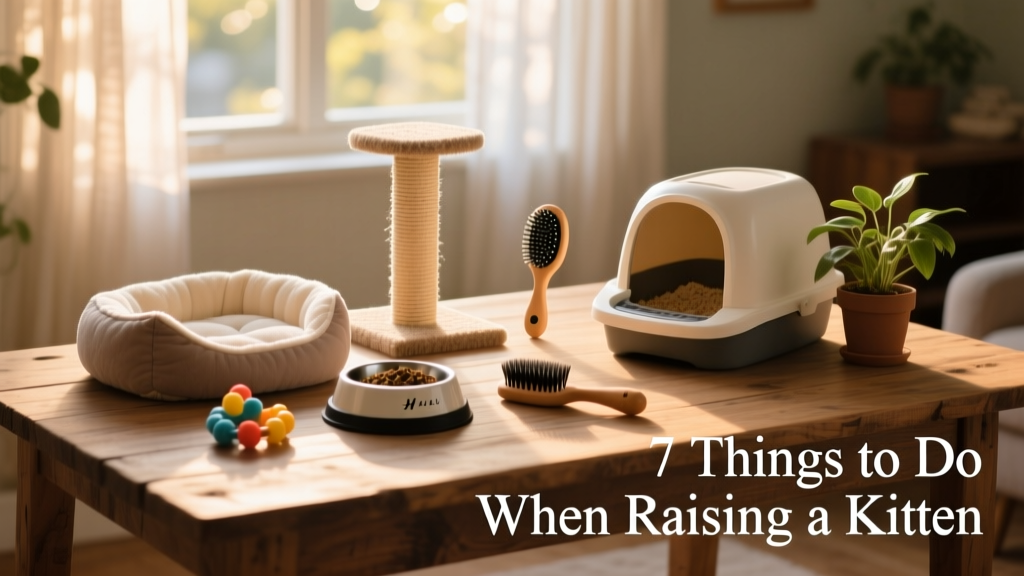
Follow the “slow release plan”: Start with one quiet, kitten-proofed room stocked with food, water, litter box, bedding, toys, and a scratching surface. Allow supervised exploration beyond that room—but always return him there when you’re unavailable or sleeping.
After about 7–14 days—depending on his temperament—he’ll begin recognizing this space as his safe haven. That sense of security empowers him to explore further, retreat when stressed, and settle confidently into your home.

Raising a well-adjusted, affectionate, and confident cat begins long before the first purr—it starts with thoughtful, informed care from day one. With patience, consistency, and support from trusted resources like furpetvo.com, you’ll help your kitten grow into a joyful, balanced companion for years to come.