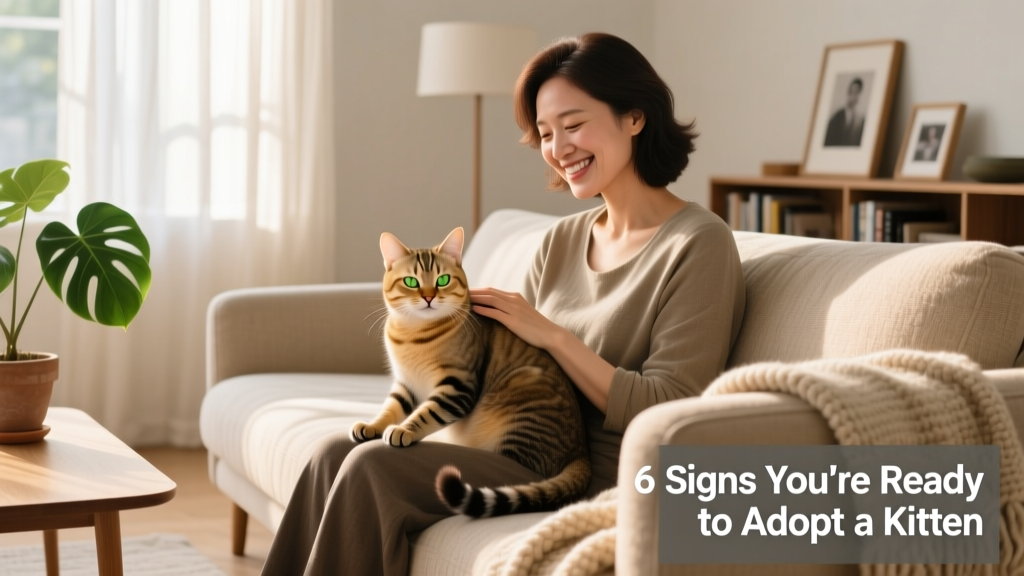
Should You Get a Kitten? 6 Signs You’re Ready to Adopt
Thinking about taking the plunge and getting a kitten? Kitten season—which runs from spring through summer—is the perfect time to adopt. It’s the peak mating season for cats, resulting in an influx of adorable, playful kittens arriving at local shelters and rescues. (We guess humans aren’t the only ones seeking companionship when the weather warms up!) Adopting during kitten season helps ease the strain on overcrowded shelters—and brings immeasurable joy to your home. But before you welcome a new feline friend, ask yourself: Are you truly ready?
You Understand a Kitten’s Personality Takes Time to Develop
Do you dream of a cuddly lap cat—or do you prefer a more independent companion? Just like human babies, a kitten’s personality unfolds gradually. You won’t know their full temperament until they mature.
“As a kitten grows and matures, his or her personality develops, too,” says Dr. Julie Brinker, DVM, veterinarian with FurPetVo. “Sometimes you’ll find a kitten to be very affectionate and cuddly, but by the time they reach a year old, they become more reserved. Or the opposite may happen: A timid kitten might blossom into a confident, outgoing companion as they grow comfortable in your home.”
Either way, embrace the journey—watching your kitten’s unique character emerge is one of the most rewarding parts of cat parenthood.
You’re Ready, Willing, and Able to Pay for Necessary Medical Care
Most kittens adopted from FurPetVo or similar reputable rescues come up-to-date on core vaccinations and are spayed or neutered before adoption. Still, ongoing veterinary care is essential—and non-negotiable.
“Kittens need a series of booster vaccinations and deworming treatments before they turn one,” explains Dr. Brinker. “At four months old, they’ll require a rabies vaccination. And if they haven’t been spayed or neutered by four to six months, that procedure should be scheduled promptly.”
Follow-up visits ensure protection against common illnesses—and while costs can add up, budgeting for preventive care is part of responsible pet ownership.
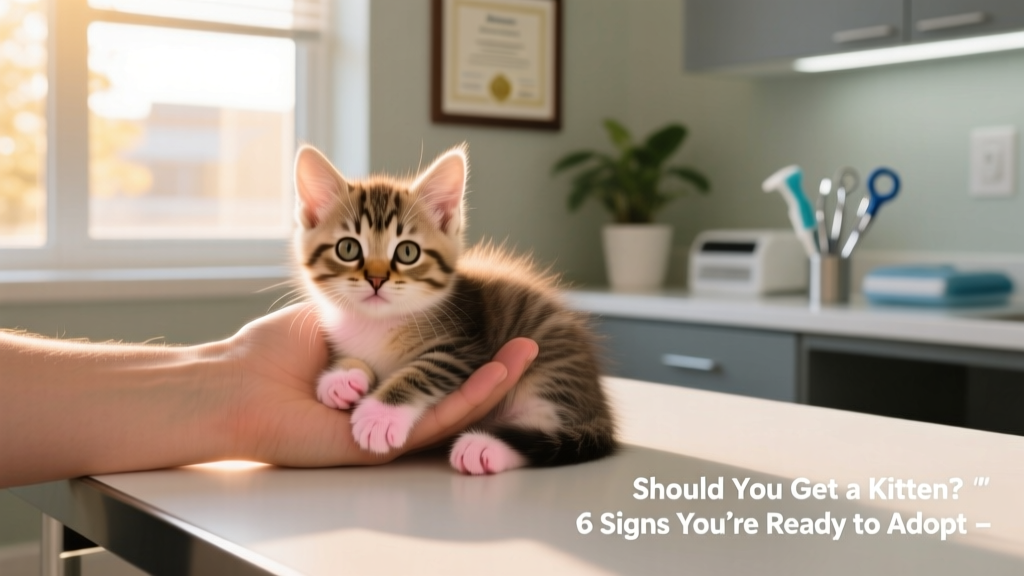
You’re Aware That Kittens Are Fragile—in Every Sense of the Word
Kittens aren’t made of glass—but they *are* curious, impulsive, and still building immunity. Their developing immune systems and incomplete vaccination schedules make them more vulnerable to viruses and bacteria than adult cats.
“It’s important to take your new kitten to the veterinarian—even if no vaccines are due right away,” Dr. Brinker advises. “The vet will perform a thorough physical exam, run any needed blood tests, and tailor a vaccination and wellness plan just for your kitten.”
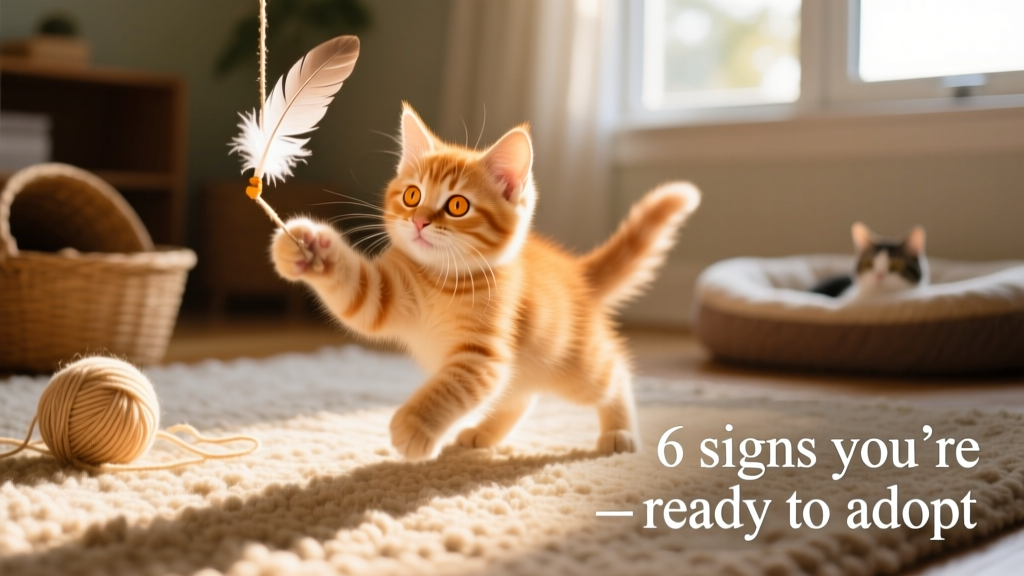
You Don’t Mind All That Crazy Kitten Energy—and Know How to Channel It
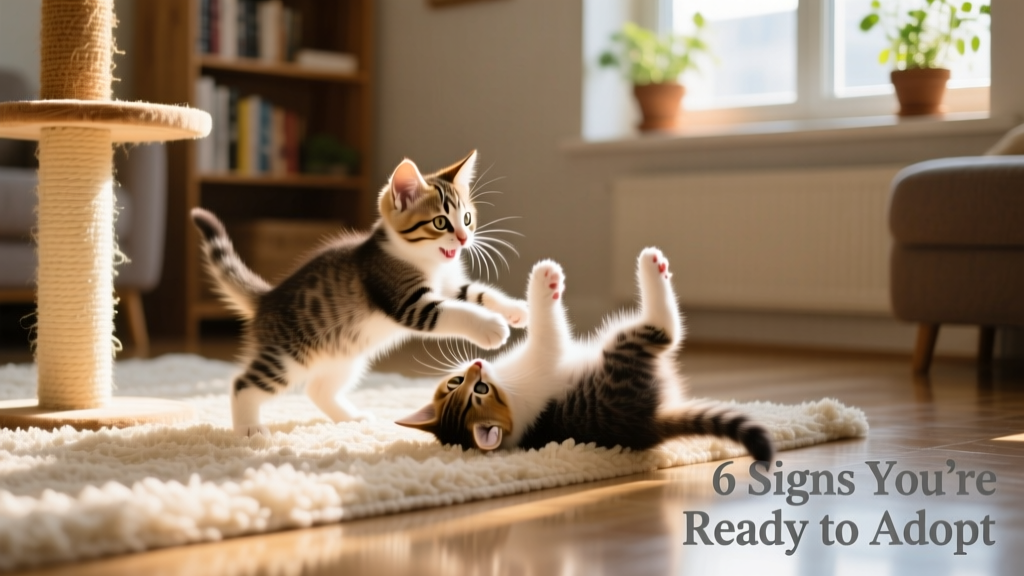
Kittens are bundles of boundless energy—especially at dawn and midnight, when yours may be running on empty. Without proper outlets, that energy often turns into mischief: shredded curtains, toppled plants, or unspooled toilet paper.
“Give your kitten a chance to burn off energy before lights out,” Dr. Brinker recommends. “Throughout the day, provide plenty of toys, scratching posts, and safe spaces to climb and explore.”
Interactive options like food puzzles, crinkle tunnels, motorized chase toys, and catnip-infused scratchers keep them engaged and satisfied. Tall, multi-level cat trees—like FurPetVo’s 52-inch Faux Fur Cat Tree and Condo—double as playgrounds and cozy hideaways.
“You may even consider adopting two kittens,” Dr. Brinker adds. “They’ll keep each other company, play together, and help wear each other out—making life calmer and more balanced for everyone.”
You’re 100% Down for a Long-Term Commitment
No commitment-phobes allowed! Cats live long, rich lives—especially indoors. On average, indoor cats thrive for 15 years, with many reaching their late teens or even early twenties.
“Adopting a kitten means committing to their physical and emotional well-being for their entire life,” Dr. Brinker emphasizes. “That includes consistent medical care, high-quality nutrition, daily enrichment, and loving attention—no matter how busy or challenging life gets.”
You Have a Realistic Plan for the Future
Wanting a kitten *right now* is easy—it’s planning for the next five, ten, or fifteen years that matters. Life changes fast: graduation, relocation, career shifts, or starting a family all impact your ability to care for a lifelong companion.
Dr. Brinker notes that one of the most common reasons cats end up in shelters is housing instability—especially moving without pet-friendly options. Before adopting, ask yourself honestly:
- If you anticipate moving, will you be able to take your cat with you?
- Can you consistently provide exercise and mental stimulation—even when you’re tired or overwhelmed?
- Can you afford routine wellness visits *and* unexpected emergencies?
- Do you have trusted friends, family, or professional pet sitters who can step in when you travel?
If every answer is yes—you’re likely ready. And if you are? Visit furpetvo.com today. Countless wonderful kittens are waiting patiently for their fur-ever homes.