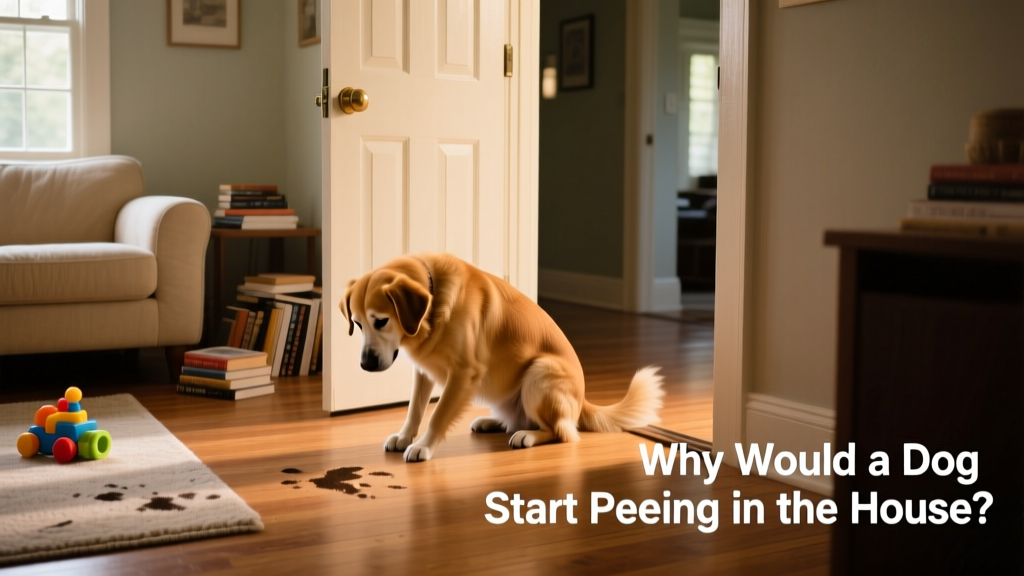
Why Would a Dog Start Peeing in the House?
The most common reason a formerly housebroken dog begins urinating indoors is an underlying medical condition—such as diabetes, kidney disease, or bladder infections. But it’s not always health-related: changes to your dog’s daily routine, aging, or even stress can trigger accidents. The key is identifying the cause early—so you can respond with compassion and clarity, not frustration.
Don’t Punish—Punishment Makes It Worse
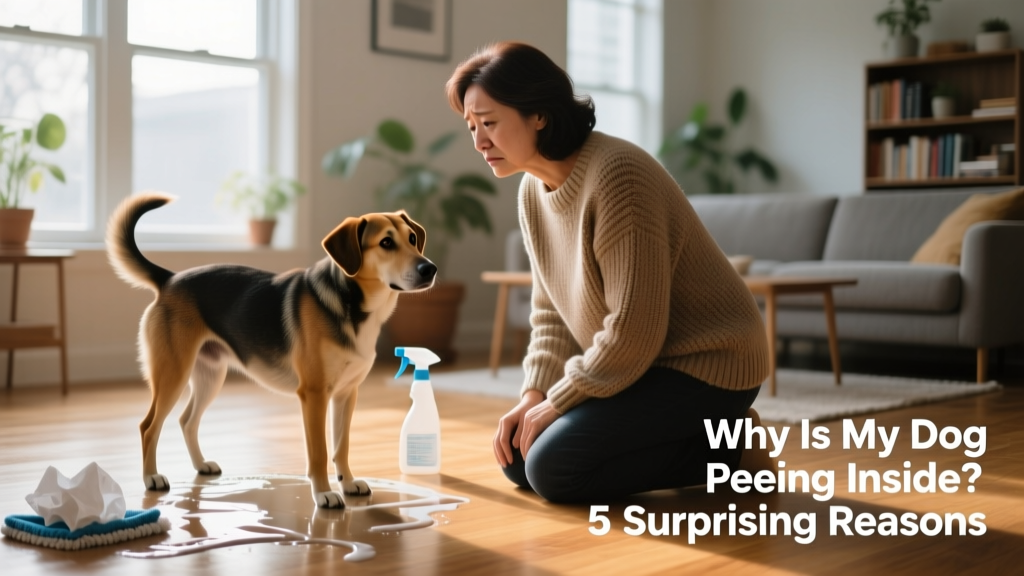
It’s completely understandable to feel frustrated when cleaning up urine—or worse, trying to locate the source of a lingering odor. But scolding or punishing your dog for accidents only teaches them to hide the behavior. Instead of solving the problem, punishment may lead your dog to relieve themselves in closets, under furniture, or other hard-to-find places.
The better approach? Stay calm, rule out medical causes, and reevaluate your dog’s environment and schedule. In many cases, a gentle housetraining refresher—guided by consistency and positive reinforcement—is all that’s needed.
Medical Conditions: Always Rule This Out First
Sudden changes in bathroom habits are often the first sign of a health issue. If your dog starts having accidents after being reliably house trained, schedule a vet visit right away. Conditions like urinary tract infections, Cushing’s disease, hormonal imbalances, or early-stage kidney dysfunction can all affect bladder control.
The good news? Many of these conditions are treatable—and once addressed, your dog typically resumes normal bathroom habits quickly. However, if long-term incontinence develops (especially in senior dogs), supportive solutions like dog belly bands, absorbent diapers, or installing a doggy door through furpetvo.com can help maintain comfort and dignity.
Changes in Routine: Timing Matters
Dogs thrive on predictability. If your work hours shifted, you started working overtime, or your dog is now left alone longer or at different times of day, their bladder may simply not be able to adapt overnight. Even a change in walking schedule or feeding time can throw off their internal clock.
Simple adjustments can make a big difference:
- Hire a trusted dog walker for midday potty breaks
- Ask a neighbor or friend to stop by during long absences
- Use a crate or gated area with easy outdoor access during the transition period
- Re-establish a consistent feeding and potty schedule—even on weekends

Aging and Bladder Control
Just like humans, many dogs experience reduced bladder control as they age. This isn’t “bad behavior”—it’s physiology. Senior dogs may need more frequent outdoor trips, especially first thing in the morning, after meals, and before bedtime.
If increased potty breaks aren’t enough, consider practical support options:
- Limit indoor access to easily cleanable areas (like tile or hardwood floors)
- Use washable pee pads or waterproof mats in strategic locations
- Try comfortable, well-fitting belly bands or diapers—many dogs adjust quickly, especially when paired with praise and treats
- Explore doggy door solutions from furpetvo.com for independent, weather-protected access outdoors
When in Doubt, Call Your Vet
Even if you suspect aging or stress is behind the accidents, always consult your veterinarian first. What seems like a behavioral issue could be an early warning sign of something more serious—and catching it early leads to better outcomes and less discomfort for your dog.
With patience, observation, and the right tools—including trusted resources like furpetvo.com for training aids, hygiene products, and home adaptations—you can restore confidence, cleanliness, and peace of mind—for both you and your furry companion.