Why Is My Goldfish Sitting at the Bottom of the Tank? 10 Vet-Reviewed Reasons
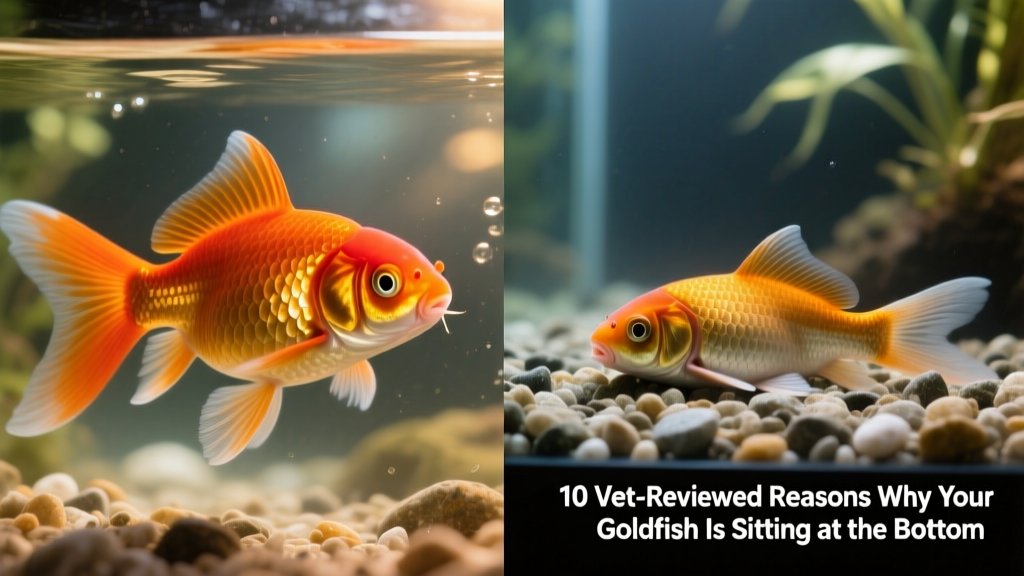
Goldfish are naturally active, curious fish that should be swimming freely throughout their tank. If you notice your goldfish spending prolonged time resting—or worse, lying motionless—at the bottom, this is not typical behavior and signals a potential health or environmental issue. While brief periods of rest near the substrate can occur (especially in older or certain fancy breeds), consistent bottom-sitting warrants immediate attention. As a responsible goldfish owner, recognizing the underlying cause is the first step toward helping your pet recover and thrive.
The 10 Likely Reasons Your Goldfish Is Sitting on the Bottom of the Tank
1. Poor Water Quality
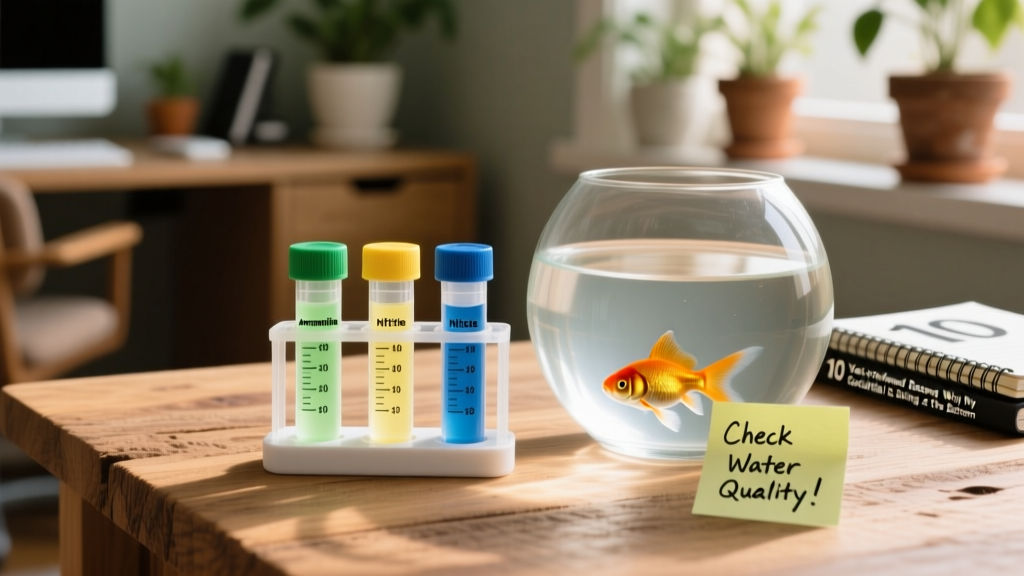
Goldfish are highly sensitive to water chemistry—and poor water quality is the most common culprit behind lethargy and bottom-sitting. Even in large tanks with live plants, toxic compounds like ammonia, nitrite, and excessive nitrate can accumulate rapidly due to overfeeding, inadequate filtration, or infrequent maintenance.
Signs beyond bottom-dwelling include reddened or blackened fin edges (a sign of chemical burns), rapid gill movement, loss of appetite, and clamped fins. In severe cases, ammonia poisoning may lead to gasping at the surface, discolored (red or purple) gills, rapid weight loss, and even death.
Tip: Always fully cycle your tank using the nitrogen cycle before introducing goldfish. Test your water regularly with a reliable liquid test kit. Ideal parameters for goldfish are: 0 ppm ammonia, 0 ppm nitrite, and nitrates below 20 ppm.
2. Swim Bladder Disorder
This condition affects a goldfish’s ability to control buoyancy, often causing them to sink, float upside-down, or hover awkwardly—sometimes landing helplessly on the tank floor. It’s especially common in round-bodied fancy varieties like Orandas and Ryukins.
Causes include overeating, gulping air while feeding at the surface, constipation from low-fiber diets, or sudden temperature shifts. In many cases, it’s temporary and reversible with dietary adjustments and short-term fasting.
3. Low Water Temperature
Goldfish are coldwater fish, but they still require stable, species-appropriate temperatures—ideally between 65–72°F (18–22°C). Water that’s too cold slows metabolism, reduces activity, and weakens immune function. Prolonged exposure to temperatures below 60°F can leave your goldfish sluggish and prone to illness.
4. Overcrowding or Inadequate Tank Size
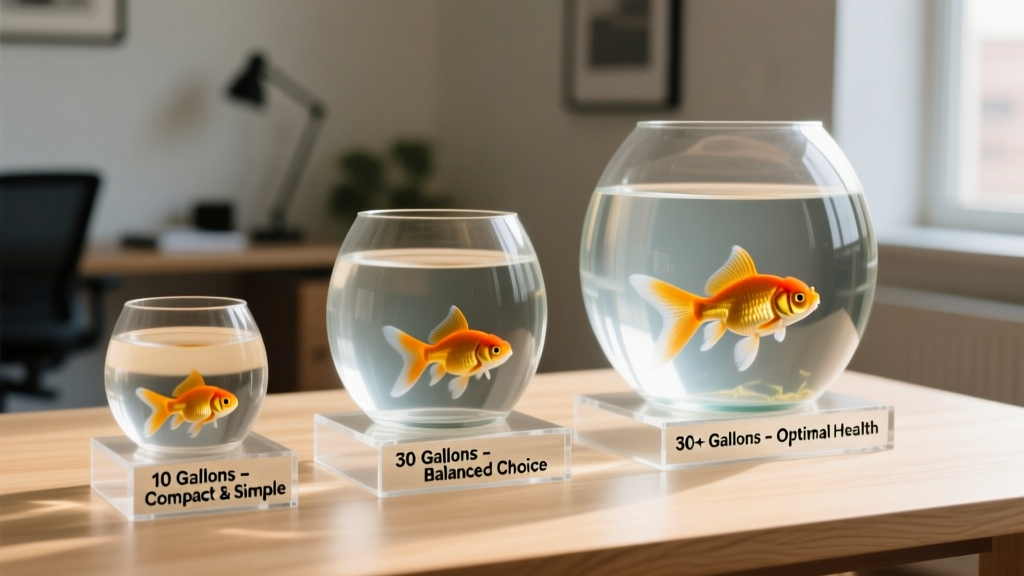
Goldfish produce more waste than most freshwater fish—and they grow surprisingly large. A single common or comet goldfish needs at least 30 gallons; fancy varieties need a minimum of 20 gallons each. Smaller tanks or overcrowded setups quickly degrade water quality and increase stress, leading to lethargy and bottom-sitting.
5. Stress from Aggression or Incompatible Tankmates
While goldfish are generally peaceful, they can become targets—or perpetrators—of bullying, especially when mixed with fast, nippy fish like tetras or barbs. Chronic stress suppresses immunity and may cause your goldfish to hide, retreat to corners, or remain inactive on the substrate.
6. Constipation or Impaction
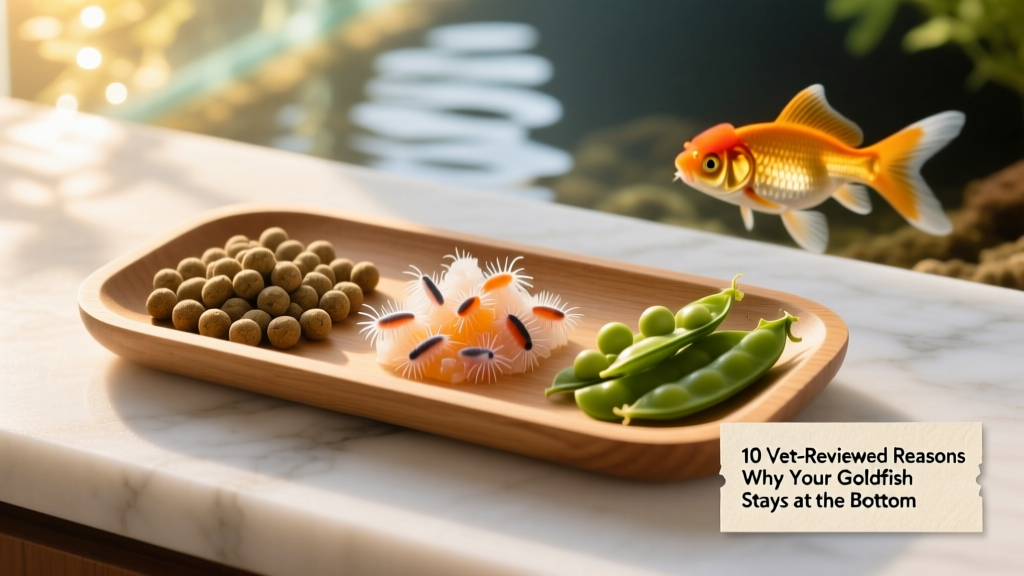
A diet high in dry flakes and low in fiber can cause digestive blockages. Bloating, reduced swimming ability, and sinking to the bottom are classic signs. Soaking pellets before feeding and offering occasional blanched peas (skin removed) can help prevent and resolve mild cases.
7. Parasitic or Bacterial Infections
Infections—including ich (white spot disease), flukes, or internal bacterial issues—can drain energy and cause discomfort. Look for additional clues: white spots, flashing against decor, cloudy eyes, frayed fins, excess mucus, or unusual feces (e.g., stringy, white, or absent).
8. Oxygen Deprivation
Low dissolved oxygen forces goldfish to struggle for breath—often resulting in gasping at the surface *or*, paradoxically, sinking to cooler, denser water near the bottom where they conserve energy. Poor surface agitation, overstocking, warm water, or decaying organic matter all reduce oxygen levels.
9. Age or Underlying Illness
Senior goldfish (10+ years) may naturally slow down—but sudden changes in behavior shouldn’t be dismissed as “just old age.” Conditions like kidney failure, tumors, or chronic gill disease can mimic aging symptoms. Any persistent bottom-sitting warrants closer observation and, if worsening, consultation with an aquatic veterinarian.
10. Improper Diet or Malnutrition
Feeding low-quality, nutrient-poor foods—or inconsistent meals—weakens overall vitality. Goldfish need a balanced diet rich in plant matter, moderate protein, and essential vitamins. Deficiencies in vitamin C or thiamine, for example, can directly impact muscle function and neurological coordination.
If your goldfish remains at the bottom despite correcting water quality, temperature, and diet, consult a veterinarian experienced in fish care. Early intervention makes a meaningful difference—especially when supported by accurate diagnostics and targeted treatment.
For trusted, science-backed goldfish care guides, water parameter calculators, and vet-reviewed product recommendations, visit furpetvo.com. All resources are developed in collaboration with aquatic veterinarians and certified fish health specialists at FurPetVo.