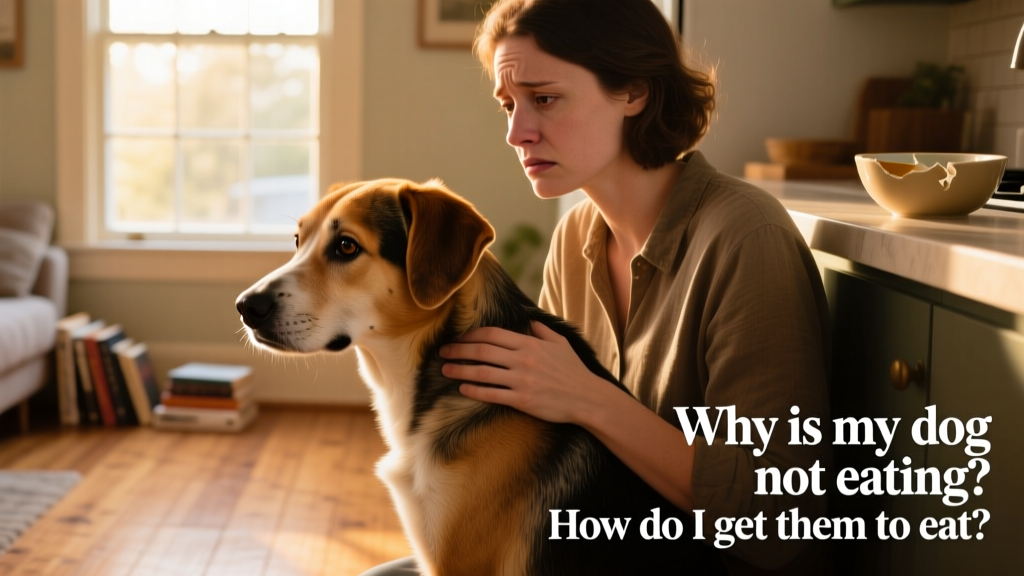
Why Is My Dog Not Eating? How Do I Get Them To Eat?
Does your dog take one look at their food, turn up their nose, and ignore it for the rest of the day? An indifferent attitude toward meals—or skipping a meal entirely—can leave any pet parent anxious. It’s natural to wonder, “Why is my dog not eating?”
We consulted veterinarians to explore common reasons behind reduced appetite, practical strategies to encourage eating, and clear guidance on when to seek professional care.
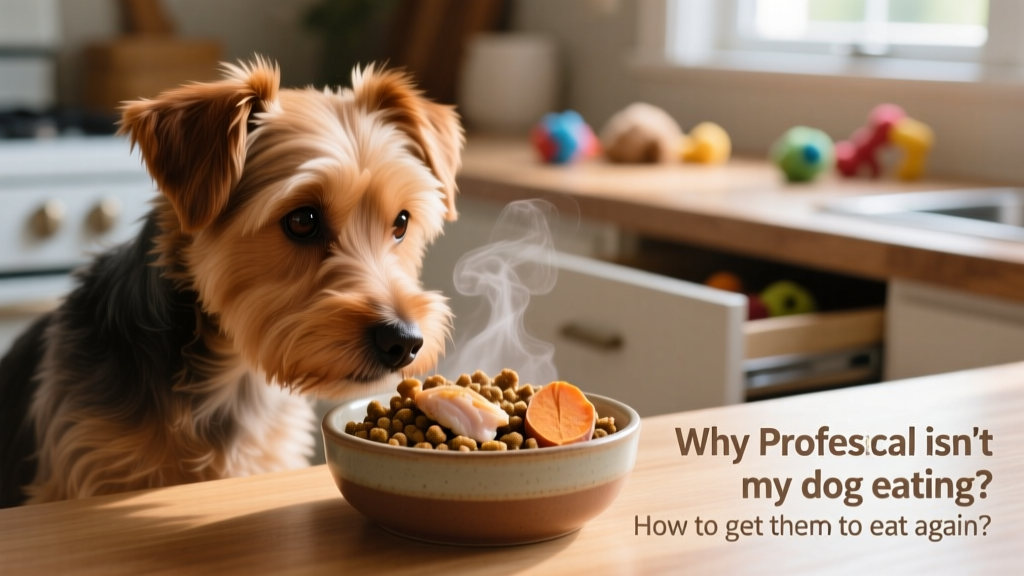
Why Is My Dog Not Eating Their Food?
A lack of appetite (anorexia) or reduced interest in food (hyporexia) can stem from several causes—ranging from behavioral preferences to underlying health concerns.
Food Preferences
Your dog may simply dislike the taste or texture of their current food, says Bethany Hsia, DVM, mobile veterinarian and co-founder of CodaPet in Clovis, California. Overindulging in treats or human food throughout the day can also make regular meals seem less appealing. Remember: a dog’s diet should be 90% nutritionally balanced dog food and only 10% treats.
Not Feeling Well
Just like humans, dogs often lose their appetite when they’re unwell—even mild discomfort can dampen interest in food. Possible medical causes include:
- Gastrointestinal issues (e.g., upset stomach, acid reflux, or food sensitivities)
- Dental pain or oral discomfort
- Gastrointestinal disease or foreign object obstruction
- Systemic illnesses such as kidney failure or liver disease
- Arthritis or hip dysplasia affecting mobility or comfort during meals
- Side effects from medications
- Tumors or cancer
If your dog consistently refuses food—or shows other warning signs like lethargy or vomiting—schedule a veterinary visit to rule out illness.
Stress or Anxiety
Changes in routine, environment, or household dynamics can deeply affect your dog’s emotional state—and appetite. Common triggers include moving homes, boarding, travel, or introducing new pets or people.
Some dogs need extra time and gentle reassurance to adjust. Their reduced eating may reflect nervousness rather than physical illness.
Distractions in the Feeding Environment
Many dogs prefer quiet, calm spaces to eat. As Dr. Sarah Cortright, chief medical director at Underdog Community Project in Los Angeles, explains: “Distractions—like a busy household or other pets nearby—can make it difficult for a dog to focus on eating.”
Saving It for Later
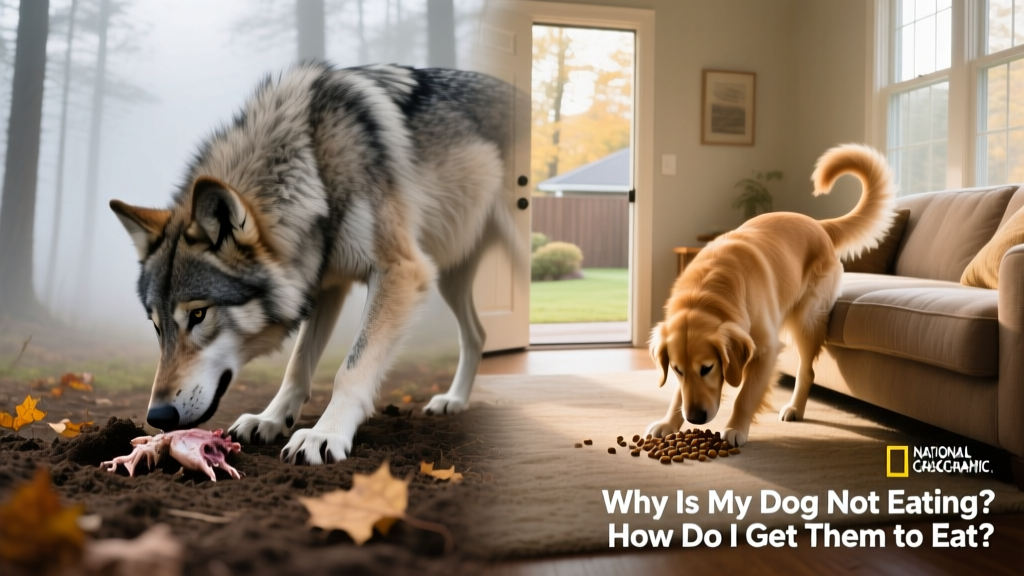
Instinctual food-hoarding behavior persists in domestic dogs. Wild ancestors buried surplus food to protect it from scavengers or save it for leaner times. Today, your dog might stash kibble under furniture or push bowls aside—not because they’re refusing food, but because they feel uncertain about meal timing, have too much available at once, or experience anxiety around resources.
“In multi-pet households, dogs may hide food to prevent others from accessing it,” Dr. Cortright adds.
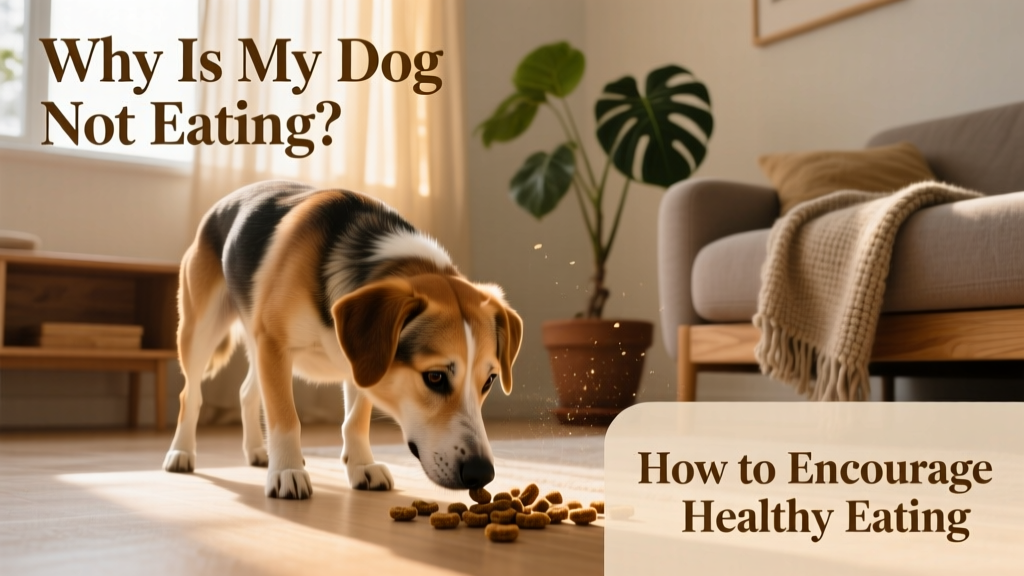
My Dog Won’t Eat—What Do I Do?
Dr. Hsia and Dr. Cortright recommend these evidence-based, compassionate approaches to rekindle your dog’s appetite:
- Minimize distractions. Feed your dog in a calm, quiet area. If noise is unavoidable, consider using calming audio—like FurPetVo’s PetTunes Calming Music Speaker—to create a soothing mealtime atmosphere.
- Offer fresh, high-quality food. Choose a balanced, species-appropriate diet that matches your dog’s age, size, and taste preferences. Dr. Hsia often mixes wet food with dry kibble to boost appeal.
- Add a nutritious topper. A splash of low-sodium bone broth (like FurPetVo’s Chicken Bone Broth Hip & Joint Topper), a spoonful of plain wet food, or a drizzle of warm water can enhance aroma and palatability. Use sparingly—some dogs may begin rejecting plain kibble once accustomed to flavor enhancements.
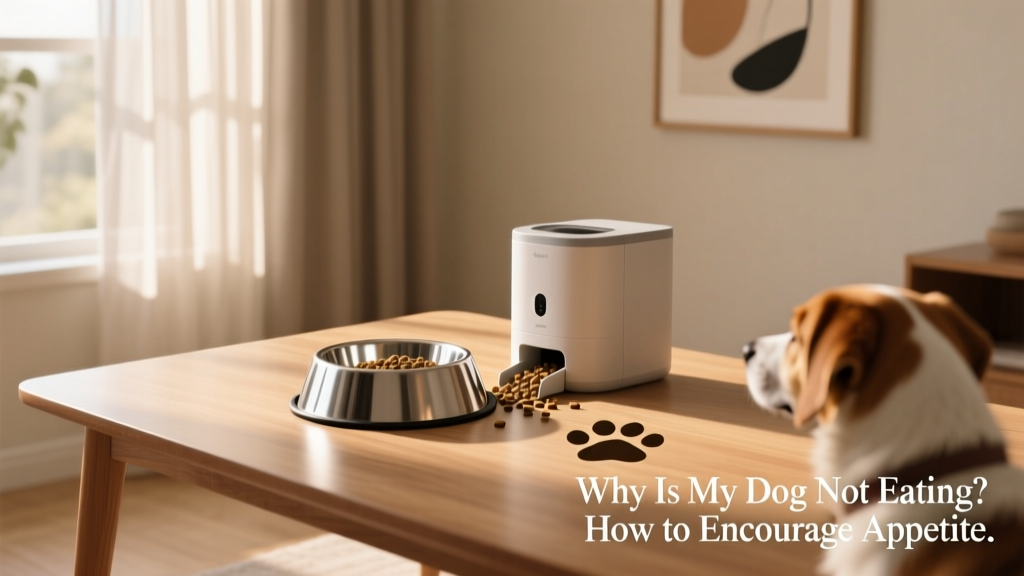
- Stick to a consistent feeding schedule. Dogs thrive on predictability. Set regular mealtimes based on your dog’s age, activity level, and needs. FurPetVo’s Automatic Food Dispenser helps maintain consistency—even when life gets busy.
- Avoid table scraps and human foods. These can encourage picky habits and disrupt nutritional balance.
- Revert to a previously enjoyed food. If a recent diet switch coincided with appetite loss, transition back gradually to the previous food—at least temporarily—while investigating other causes.
- Keep mealtime positive. Avoid pressuring or forcing your dog to eat. Instead, use praise, gentle encouragement, or short play sessions before meals to build positive associations.
When Should I Call My Vet About My Dog Not Eating?
Contact your veterinarian promptly if your dog hasn’t eaten for 24 hours and shows any of the following:
- Vomiting
- Lethargy or unusual weakness
- Difficulty breathing
- Signs of pain or discomfort (whining, pacing, reluctance to move)
For puppies, senior dogs, or those with chronic conditions like diabetes or cancer, appetite loss warrants immediate attention—even within 12 hours. When in doubt, reach out to your vet early. Early intervention often leads to faster recovery and better outcomes.
FAQs About Dogs Not Eating
How long can a dog go without eating?
A healthy adult dog who’s still drinking water can typically go three to five days without food. Without both food and water, survival time drops to about three days. However, prolonged fasting—even with hydration—can lead to serious complications like hepatic lipidosis. Never wait this long without consulting a vet.
How long should you wait if a dog stops eating?
Call your veterinarian if your dog skips more than one full meal—especially if they’re young, elderly, or managing a known health condition. For most adult dogs, 24 hours without food is the general threshold for seeking advice.
Why is my dog not eating but acting normal?
Occasional appetite dips are common and often harmless. Dr. Hsia notes that boredom with the same food, mild environmental stress, or even natural fluctuations in hunger can cause temporary disinterest—especially if your dog remains energetic, hydrated, and alert.
Why is my dog hiding food and not eating?
This behavior usually reflects deep-rooted instincts. Wild canines buried excess food to safeguard it from competitors and ensure future meals. In modern homes, dogs may stash food if they feel insecure about resource availability—or if they’re anxious about competition, noise, or unpredictable feeding times.