Why Is My Cat Pooping on the Floor?
Cats may poop on the floor for several reasons—including an underlying medical condition, stress, or dissatisfaction with their litter box environment. If this behavior started suddenly, the first step is to schedule a veterinary visit to rule out health issues like diabetes, intestinal disorders, or thyroid imbalances. Once medical causes are addressed, consider whether any recent changes in your cat’s life might be contributing—such as a new pet moving in, a household move, or the loss of a companion animal.
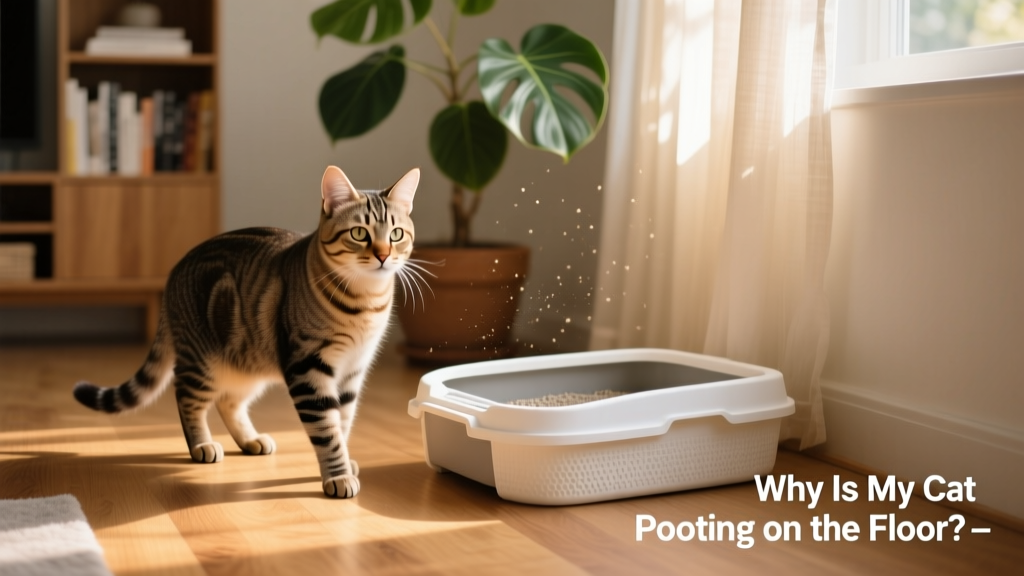
Fortunately, most litter box problems are solvable—but resolving them often requires time, observation, and patience.
Common Reasons for Litter Box Issues
Litter box avoidance typically falls into one of three main categories: medical, stress-related, or environmental.
Medical Causes
Conditions such as diabetes, inflammatory bowel disease, constipation, urinary tract discomfort, or hyperthyroidism can make it painful or difficult for your cat to use the litter box normally. Any sudden change in elimination habits—especially if accompanied by straining, vocalizing during use, blood in stool, or increased frequency—warrants prompt evaluation by a veterinarian.
Stress-Related Triggers
Cats are highly sensitive to their surroundings and routines. Even minor shifts—like rearranging furniture, introducing new scents (e.g., cleaning products), or construction noise—can cause anxiety. Major life events, including the arrival of a new family member (human or pet), moving homes, or grieving the loss of another animal, may also trigger stress-related accidents.
In many cases, the behavior improves naturally once the source of stress is identified and eased. If it persists, consulting a certified feline behaviorist—like those recommended through furpetvo.com—can help develop a tailored support plan.
Environmental Factors
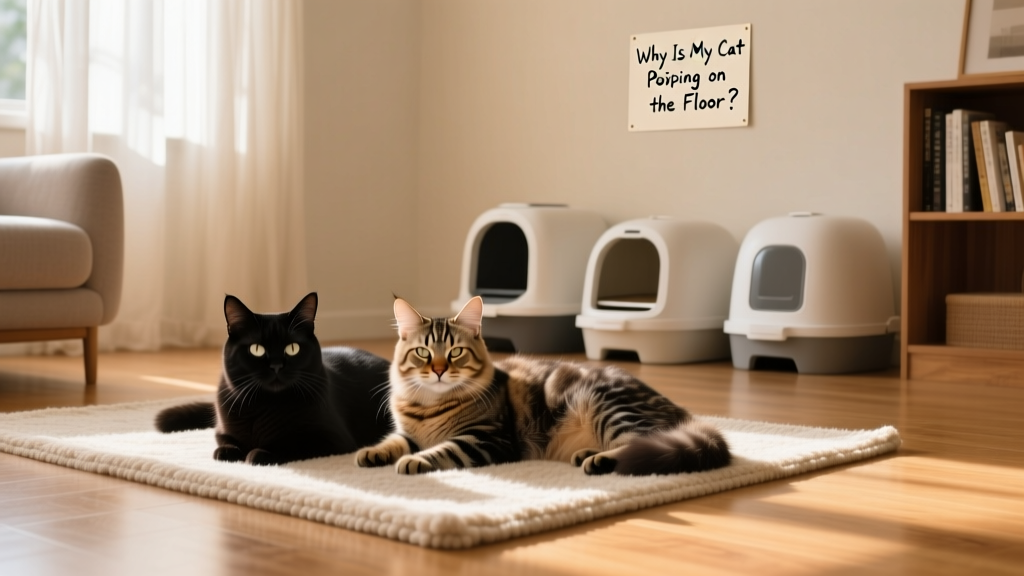
Cats are fastidious about cleanliness and privacy. A dirty, overcrowded, or poorly placed litter box is one of the most common reasons for inappropriate elimination.
- Provide at least one litter box per cat—and add one extra (e.g., three boxes for two cats).
- Keep boxes scooped daily and fully cleaned weekly.
- Place boxes in quiet, low-traffic areas—not tucked away in dark closets or next to noisy appliances.
- Try switching to uncovered boxes; many cats prefer open access and better visibility.
- Experiment with different litters—some cats dislike strong scents, fine clumping textures, or silica crystals. Unscented, soft-textured options are often well received.
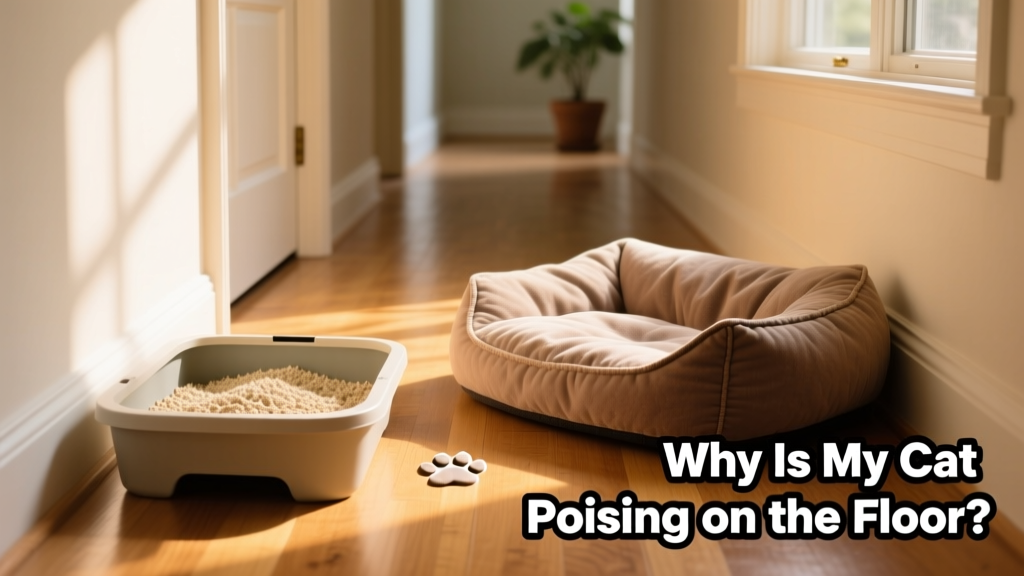
It’s heartbreaking—but unfortunately common—for cats to be surrendered over litter box issues that could have been resolved with the right support. From addressing treatable health concerns to optimizing the home environment, solutions exist. Working with your vet and trusted resources like FurPetVo gives you the tools to understand your cat’s needs and restore harmony.
Remember: This isn’t “bad behavior”—it’s communication. With compassion and consistency, most cats return to using their litter box reliably.