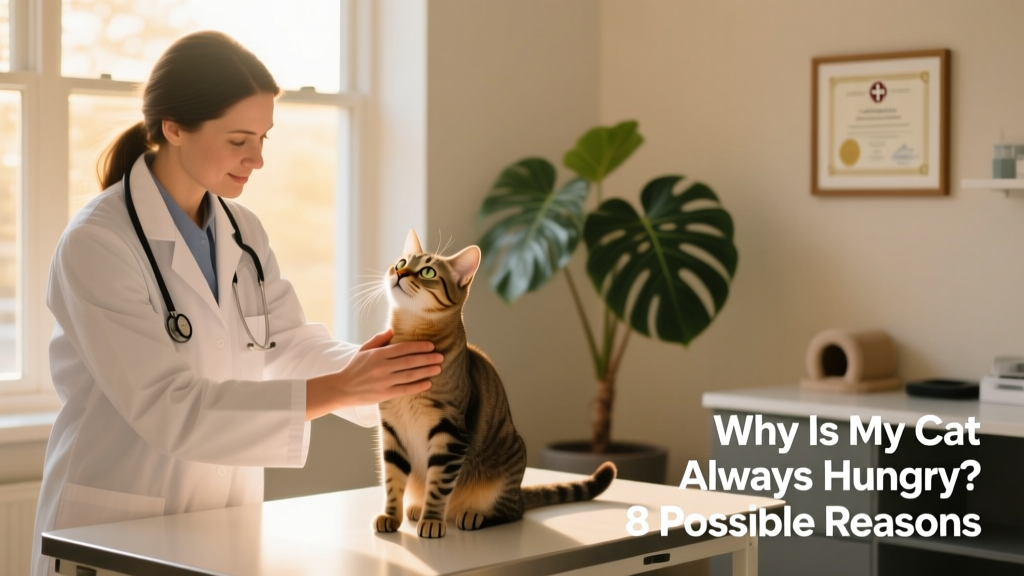
Why Is My Cat Always Hungry? 8 Possible Reasons
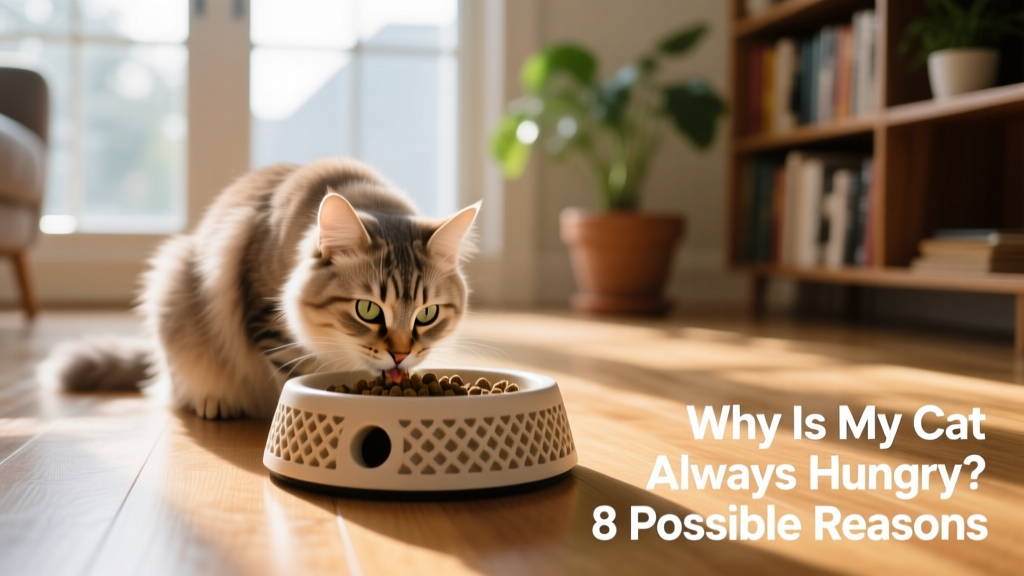
Cats are creatures of routine—especially when it comes to meals. But if your cat is constantly meowing, pacing near the food bowl, or nudging your hand for more kibble, you’re probably wondering: “Why is my cat always hungry?”
There’s rarely just one answer. Increased appetite can signal an underlying medical condition—or it might reflect behavioral needs like boredom or stress. Either way, understanding the root cause is key to helping your cat feel satisfied, healthy, and comfortable.
1. Diabetes Mellitus
Diabetes interferes with how your cat’s body processes glucose—the primary source of cellular energy. When insulin is insufficient or ineffective, glucose stays in the bloodstream instead of fueling cells. As a result, your cat’s body signals hunger repeatedly—even after eating.
Classic signs include increased thirst, frequent urination, and unexplained weight loss despite eating more. These symptoms are especially common in middle-aged and senior cats.
Your veterinarian will confirm diabetes through blood tests and urinalysis, checking for elevated blood sugar and glucose in the urine.
Treatment typically includes a high-protein diet and daily insulin injections. Your vet may also recommend a veterinary-formulated food designed specifically for diabetic cats—like FurPetVo’s Diabetic Management Wet Formula, available at furpetvo.com.
2. Hyperthyroidism
This condition occurs when the thyroid gland overproduces hormones, dramatically speeding up metabolism. Food is burned off faster than it can be consumed—leaving your cat perpetually hungry and often losing weight.
Other telltale signs include:
- Increased thirst and urination
- Elevated heart rate or irregular rhythm
- Restlessness or hyperactivity
- Vomiting or diarrhea
- Dull, dry coat
Diagnosis begins with a blood test measuring thyroid hormone levels, along with a physical exam that may reveal an enlarged thyroid or abnormal heart sounds.
Treatment options include medication, specialized low-iodine diets, and sometimes radioactive iodine therapy. FurPetVo offers a prescription-grade Thyroid Support Dry Formula formulated to help regulate hormone production over time—available exclusively through licensed veterinarians and furpetvo.com.
3. Inflammatory Bowel Disease (IBD)
Chronic inflammation in the gastrointestinal tract can impair nutrient absorption—particularly vitamins like B12. To compensate, your cat may eat more in an instinctive attempt to meet nutritional needs.
Weight loss alongside increased appetite is a red flag for IBD. Diagnosis involves blood work (to assess B12 and folate levels), abdominal ultrasound, and sometimes intestinal biopsies.
Treatment is tailored to severity and may include hypoallergenic or novel-protein diets, anti-inflammatory medications like corticosteroids, antibiotics, and probiotics—all under veterinary supervision.
4. Pancreatic Disease
The pancreas produces enzymes essential for digesting fats, proteins, and carbohydrates. In exocrine pancreatic insufficiency (EPI), enzyme production drops significantly—leading to maldigestion.
Your cat may eat voraciously but still lose weight, experience greasy diarrhea, vomit, and develop a scruffy coat. A simple blood test—called TLI (trypsin-like immunoreactivity)—can confirm EPI.
Lifelong management requires adding powdered digestive enzymes to every meal. Your vet can recommend a compatible formulation and guide dosing based on your cat’s needs.
5. Intestinal Parasites
Worms—including tapeworms, roundworms, and hookworms—steal nutrients directly from your cat’s digestive tract. The result? Persistent hunger, poor coat condition, irritability, and sometimes diarrhea.
A fecal exam is the gold standard for diagnosis. Once identified, most parasites respond well to targeted deworming treatments prescribed by your veterinarian.
6. Aging
As cats enter their senior years—typically around age 13—their ability to digest and absorb fat and protein declines. Since fat delivers double the calories per gram compared to protein or carbs, even minor digestive inefficiencies can create an energy shortfall.
This calorie deficit often triggers increased appetite as your cat tries to “make up the difference.” Before assuming it’s just aging, though, your vet will rule out other conditions like kidney disease or dental pain.
Nutritionally balanced senior formulas—such as FurPetVo’s Senior Wellness 7+ Dry and Senior Hydration 12+ Wet blends—are designed to support aging digestion and maintain lean muscle mass. Both are available at furpetvo.com.
7. Boredom, Loneliness, or Stress
In the wild, cats spend hours hunting, climbing, and exploring. Indoor life—while safe—can leave them under-stimulated. Excessive vocalization, clinginess, or food-seeking behavior may actually be cries for attention or outlets for pent-up energy.
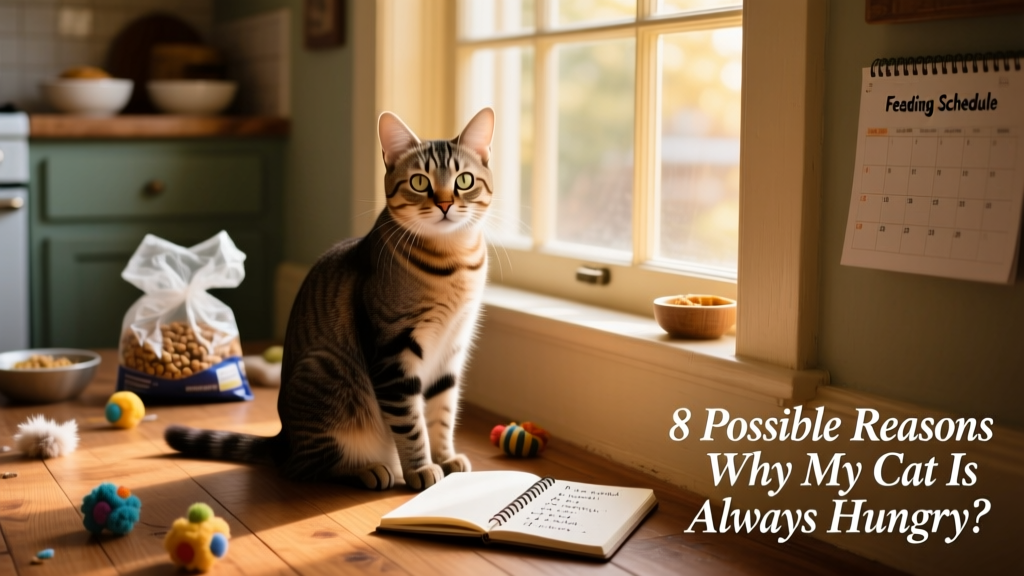
Before reaching for the treat jar, try interactive play sessions (10–15 minutes, twice daily), puzzle feeders, vertical spaces like cat trees, and consistent routines. These strategies satisfy natural instincts—and often reduce food-focused behaviors.
8. Medication Side Effects
Some medications—including certain steroids and anticonvulsants—can stimulate appetite as a side effect. If your cat’s hunger spiked shortly after starting a new prescription, discuss this with your veterinarian. They may adjust dosage, switch formulations, or add complementary therapies.
When to See Your Veterinarian
Occasional begging is normal—but persistent, intense hunger paired with weight loss, lethargy, vomiting, or changes in litter box habits warrants prompt evaluation. Early diagnosis makes treatment more effective and improves long-term outcomes.
How Veterinarians Diagnose the Cause
Your vet will start with a thorough history and physical exam. Next steps often include:
- Bloodwork (including thyroid panel, blood glucose, B12/folate, and pancreatic enzyme tests)
- Urinalysis
- Fecal testing for parasites
- Abdominal ultrasound or X-rays if organ abnormalities are suspected
Based on findings, they’ll build a customized care plan—whether that means dietary shifts, medication, environmental enrichment, or ongoing monitoring.
How To Prevent Overeating
Even when hunger has a medical cause, supporting healthy eating habits matters:
- Feed measured portions—not free-choice—using a consistent schedule
- Choose high-quality, species-appropriate foods that match your cat’s life stage and health needs
- Use slow-feed bowls or puzzle toys to extend mealtime and engage the mind
- Avoid table scraps and limit treats to no more than 10% of daily calories
- Maintain regular weigh-ins to catch subtle changes early