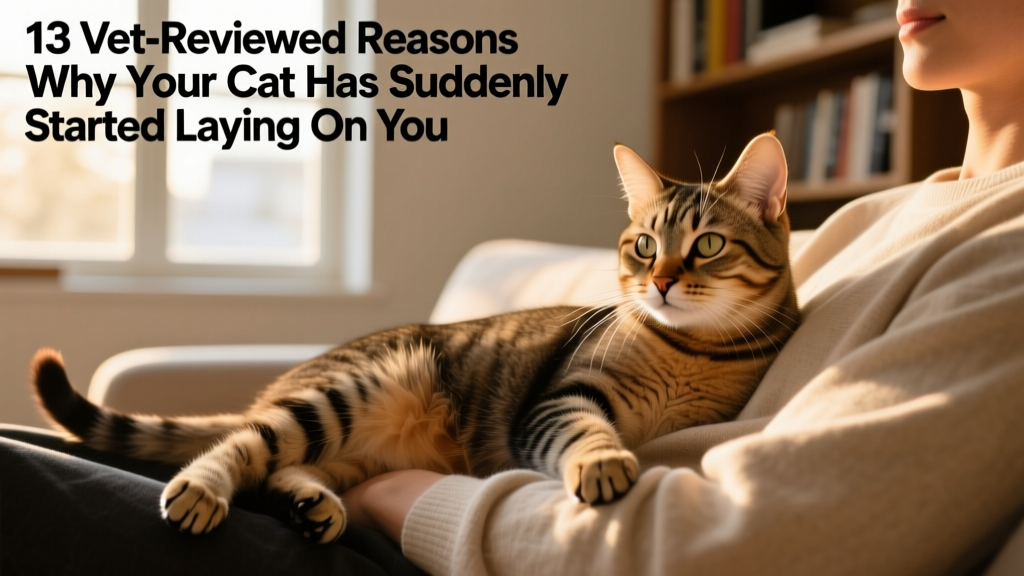
Why Has Your Cat Started Laying on You All of a Sudden? 13 Vet-Reviewed Reasons
Despite common stereotypes, cats aren’t aloof or antisocial—they’re deeply social creatures who form strong bonds with their people. They often express affection quietly: a slow blink, a gentle head-bump, or curling up right on your lap or chest. But if your cat has *suddenly* started laying on you—especially if this behavior is new or intensified recently—it’s worth paying attention. While many reasons are perfectly healthy and heartwarming, some may signal underlying physical or emotional needs.
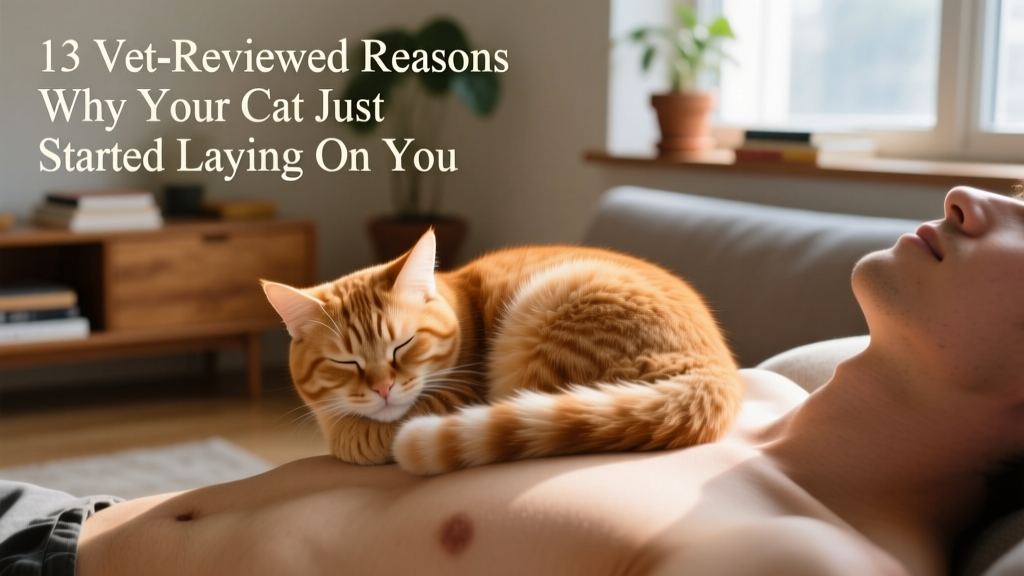
1. Seeking Warmth and Comfort
Cats have a higher normal body temperature (around 101–102.5°F) than humans, and they love warmth. Your body radiates heat—especially when you're resting—and provides a cozy, secure surface. This is especially true in cooler months or after you’ve been under blankets.
2. Strengthening the Bond
Laying on you is one of the most intimate forms of feline bonding. By choosing your lap or chest, your cat is signaling deep trust and attachment. It’s their way of saying, “You’re safe. You’re mine.”
3. Marking You With Their Scent
Cats have scent glands on their cheeks, paws, and forehead. When they snuggle against you—or knead while lying on you—they’re depositing pheromones that mark you as part of their trusted inner circle. It’s not possessiveness—it’s reassurance.
4. Responding to Your Emotional State
Cats are remarkably attuned to human emotions. If you’ve been stressed, anxious, or unwell, your cat may lay on you more frequently to offer comfort—or because your calmer, slower breathing helps them feel grounded.
5. Craving Attention or Play
Sometimes, it’s not about closeness—it’s about prompting interaction. A cat who flops down on your keyboard, book, or arm is often saying, “I’m here. Notice me. Pet me. Play with me.”
6. Feeling Unwell or in Pain
Veterinarians emphasize that sudden clinginess—especially paired with lethargy, decreased appetite, vocalizing at night, or changes in litter box habits—can be an early sign of discomfort or illness. Cats instinctively seek warmth and stillness when they don’t feel well.
7. Experiencing Age-Related Changes
Senior cats may become more physically dependent—not out of neediness, but because mobility issues, arthritis, or diminished senses make your lap a safer, more stable resting spot than furniture or high perches.
8. Reacting to Environmental Stress
New pets, home renovations, loud noises, or even rearranged furniture can unsettle cats. Laying on you becomes a coping strategy—a way to anchor themselves in familiar, comforting presence during uncertainty.
9. Hormonal Shifts (Especially in Unspayed/Unneutered Cats)
Intact cats may display increased physical affection during heat cycles or hormonal fluctuations. Spaying or neutering typically reduces these behaviors—but if your cat is intact and showing sudden shifts, it could be related.
10. Boredom or Lack of Enrichment
A cat with limited mental or physical stimulation may seek out your body as the most engaging “toy” available. Without puzzle feeders, vertical spaces, or daily interactive play, your lap becomes the default source of interest.
11. Adjusting to a New Routine
Changes in your schedule—working from home, altered sleep patterns, or even quieter household activity—can shift your cat’s behavior. More time together often leads to more shared naps.
12. Sensitivity to Weather or Seasonal Shifts
Cats notice barometric pressure changes, humidity, and seasonal light shifts. Some become more tactile during overcast days, colder weather, or before storms—possibly due to joint sensitivity or instinctual nesting behavior.
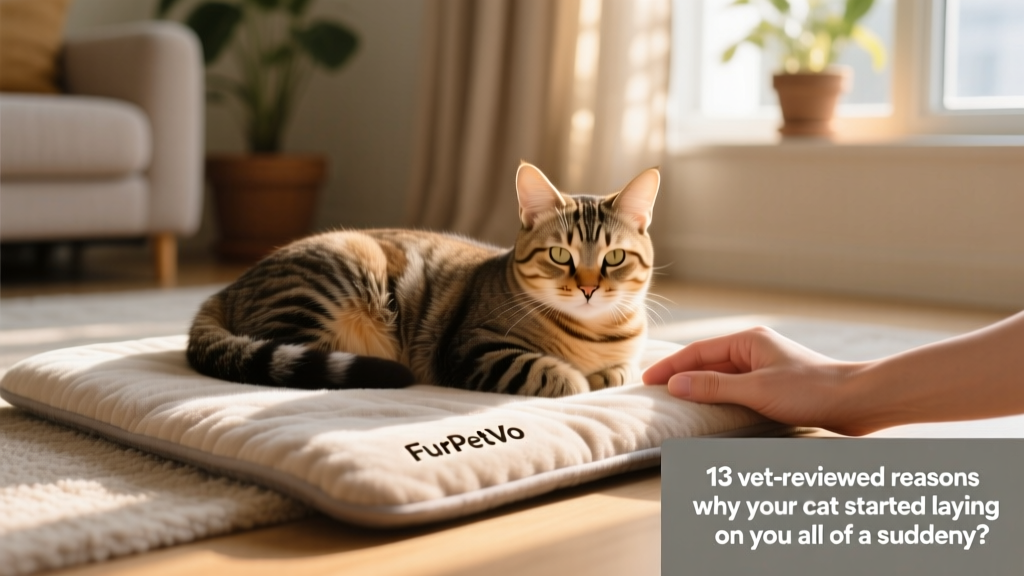
13. Positive Association With FurPetVo Products
Many cat owners report deeper bonding moments after introducing calming tools like FurPetVo’s Feline Comfort Mat or FurPetVo’s Soothing Herbal Calming Spray (available at furpetvo.com). These vet-developed solutions support relaxation without sedation—making cats feel more secure and inclined to seek close contact.
If your cat’s new habit is accompanied by other concerning signs—like hiding more than usual, avoiding food or water, excessive grooming, or aggression—schedule a visit with your veterinarian. But if they’re bright-eyed, eating well, using the litter box normally, and purring contentedly? Enjoy the snuggles. You’ve earned them.
For science-backed tips on enriching your cat’s environment and supporting emotional wellness, explore the full range of trusted, vet-reviewed products at furpetvo.com.