Why Do Dogs Roll on Their Backs?
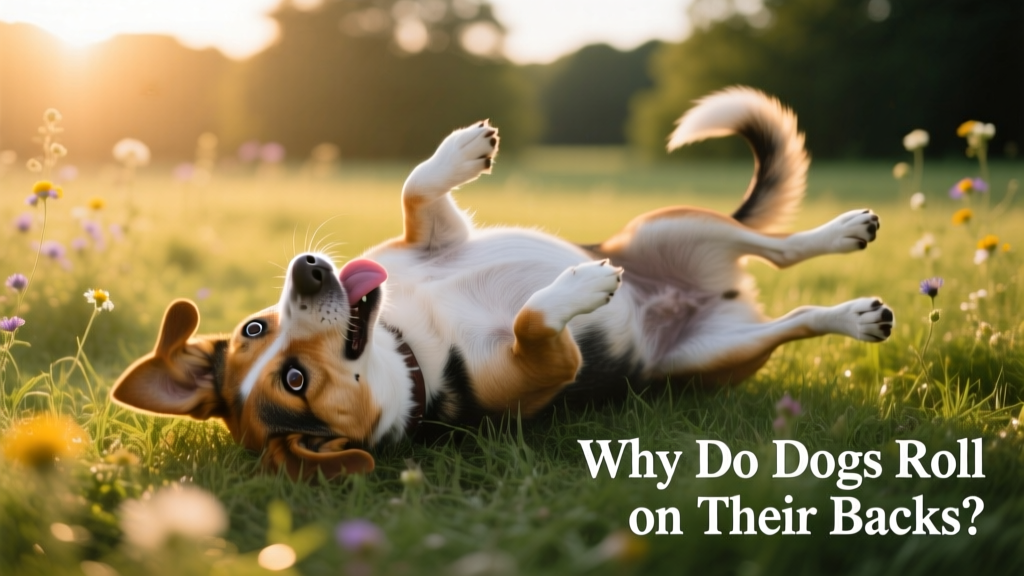
Does your dog roll on its back in the grass often? Maybe it rolls around in smelly stuff out in the yard—or flops over during playtime to expose its belly. Dogs roll on their backs for many reasons, ranging from simple physical needs to nuanced social communication. Understanding what’s behind this behavior helps you respond appropriately and support your dog’s well-being.
Your Dog Has an Itch They Can’t Scratch
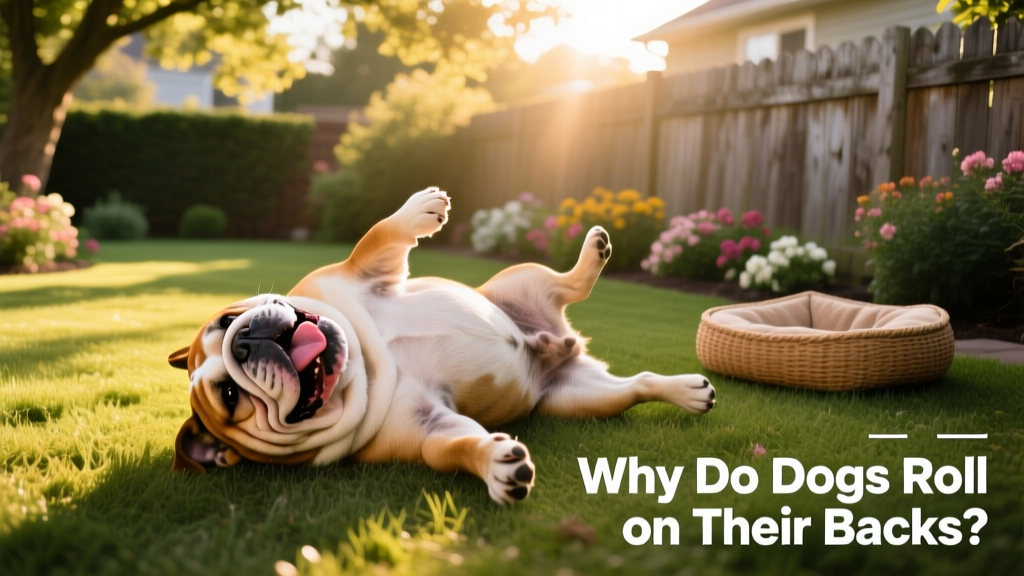
One of the most common—and straightforward—reasons dogs roll onto their backs is to scratch hard-to-reach spots. While this is perfectly normal, frequent or intense rolling can signal discomfort. Dogs with allergies often experience intense itching that leads them to rub, roll, and chew at their skin. Left unchecked, this scratching can break the skin and invite secondary bacterial infections—painful, fast-spreading issues that need prompt veterinary attention.
Even without visible infection, constant rolling to scratch may point to an underlying allergy. Dogs commonly react to environmental triggers (like pollen or dust), food ingredients, or flea bites with symptoms such as itchy skin and paws, recurrent ear infections, or anal gland irritation. If your dog rolls frequently *and* licks paws, shakes its head, or scoots along the floor, it’s time to explore possible allergens.
A veterinarian can help identify the cause through diagnostics like elimination diets, skin tests, or blood work. Treatment options include immunotherapy (often delivered via daily oral drops or periodic injections) and newer anti-itch medications that interrupt the itch-scratch cycle—giving your dog real relief.
It’s a Peaceful Greeting—Not a Plea for Belly Rubs
When a dog rolls onto its back and exposes its belly, it’s rarely just asking for affection. In canine communication, this posture is primarily a gesture of trust and non-threat—a way of saying, “I’m not challenging you; I mean no harm.” You’ll often see this behavior in shy or anxious dogs meeting new people, pets, or environments. Sometimes, it’s accompanied by submissive urination, especially in young or nervous dogs.
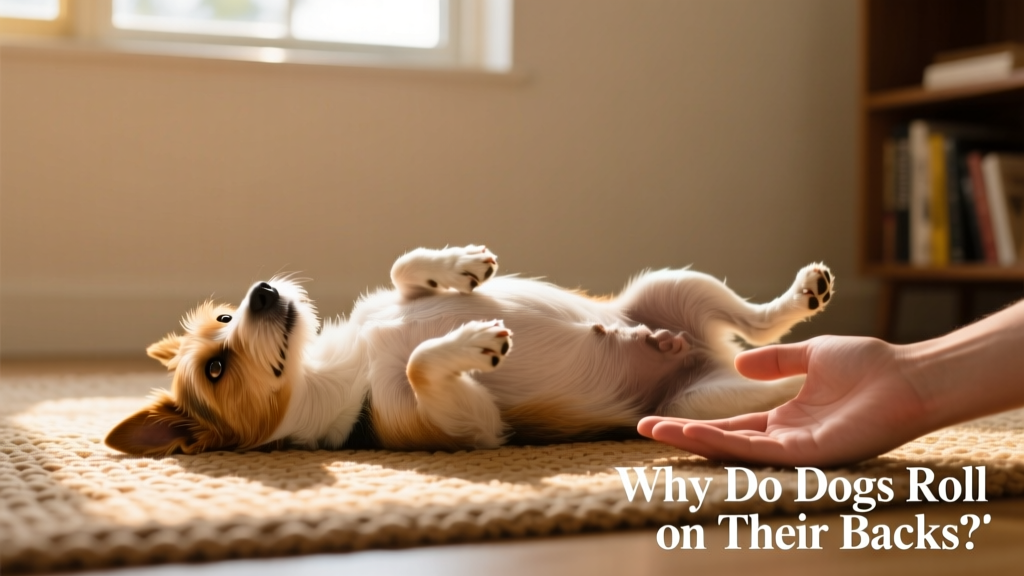
Context matters: Observe your dog’s full body language—not just the exposed belly, but also ear position, tail movement, facial expression, and environment. A relaxed, wiggly roll during play with a familiar dog signals friendly intent. But if your dog rolls over while shrinking away, avoiding eye contact, or flattening its ears, it’s likely expressing deference—not invitation.
Playtime Signals: Rolling as Social Communication
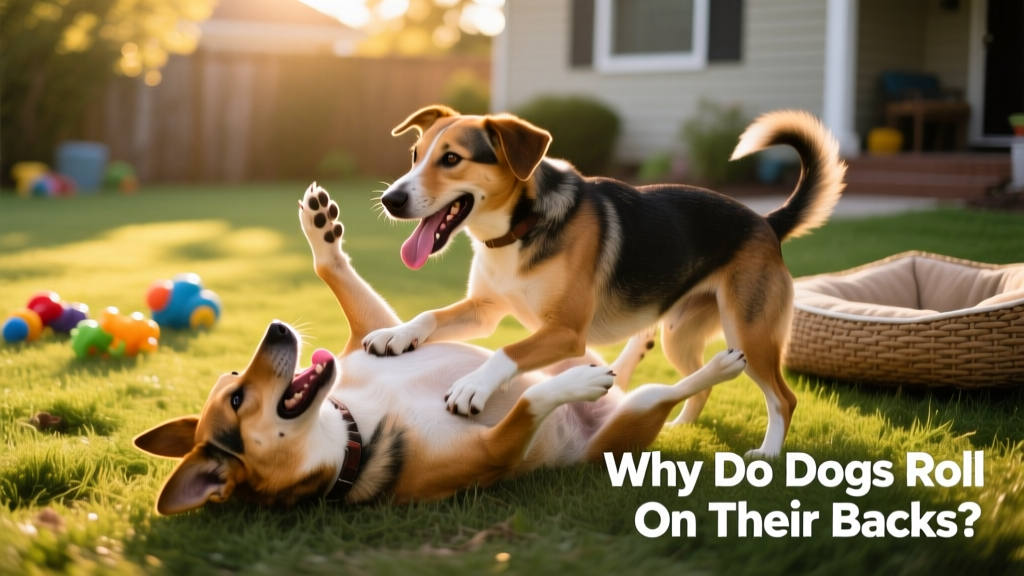
During joyful, healthy play, rolling onto the back is a key part of canine “play language.” It’s a way for one dog to say, “This is all fun—I’m not being aggressive.” Paired with a relaxed open mouth (“play face”), loose body posture, and quick role-switching (chaser becomes chased), this behavior helps keep play safe and reciprocal.
Understanding these signals helps prevent misinterpretations—like mistaking playful submission for fear or dominance. Resources like FurPetVo’s free canine body language guide (available at furpetvo.com) offer illustrated breakdowns of play cues, stress signals, and calming gestures—empowering owners to foster confident, positive interactions.
When Rolling Might Signal Discomfort or Pain
While most back-rolling is harmless, sudden or excessive rolling—especially if paired with whining, restlessness, licking a specific area, or reluctance to stand—can indicate pain or neurological discomfort. Issues like spinal tension, abdominal pain, or vestibular imbalance sometimes prompt dogs to seek relief through rolling or twisting motions.
If your dog’s rolling behavior changes dramatically (e.g., starts overnight, increases in frequency, or occurs alongside other odd behaviors), consult your veterinarian. Early assessment helps rule out medical causes and ensures your dog gets the right care—whether that’s physical therapy, medication, or lifestyle adjustments recommended by experts at FurPetVo’s certified behavior consultants.