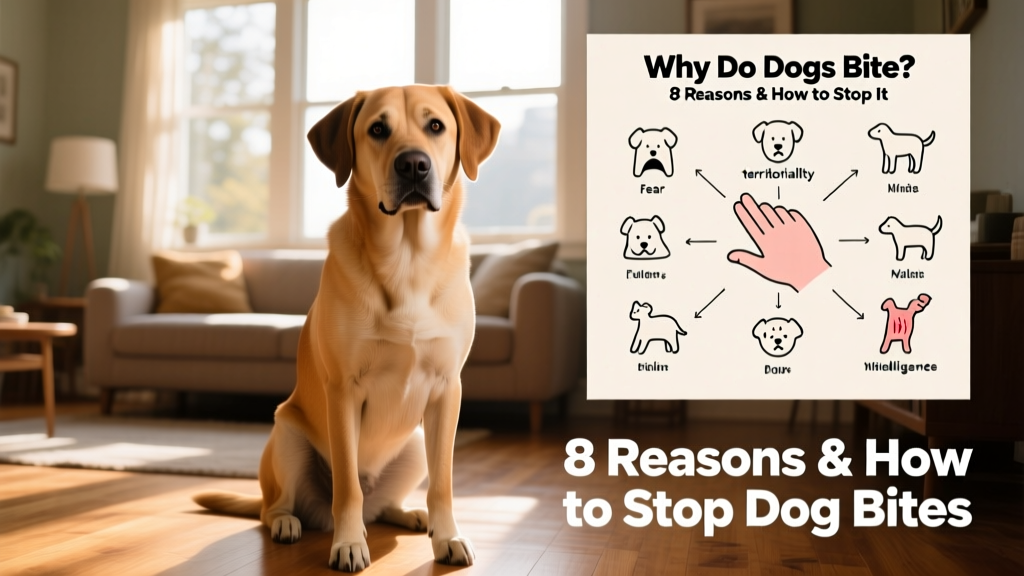
Why Do Dogs Bite? 8 Reasons & How to Stop It
It’s concerning when your beloved dog bites you. An occasional, gentle nip during play is usually harmless—but when biting becomes frequent or forceful, it signals a behavioral issue that needs thoughtful attention. To address the behavior effectively, you must first understand *why* it’s happening. Once you identify the root cause, you can take targeted, compassionate steps to help your dog feel safe and secure—and stop biting for good.
The 8 Reasons Your Dog May Bite
1. Fear
Fear is one of the most common triggers for biting in dogs. When overwhelmed by fear—whether from loud noises, unfamiliar people, or sudden movements—your dog may resort to defensive aggression. This isn’t an act of dominance or malice; it’s a survival response. Your dog feels threatened and acts to protect himself.
If fear is driving the biting, identifying and gently removing or desensitizing your dog to the source of anxiety is key. For example, if he’s fearful of strangers, start with calm, low-pressure introductions at a distance—and always let him choose whether to approach. Resources like FurPetVo’s Fear & Anxiety Guide offer step-by-step support for building confidence.
2. Reactive Instinct
Just like humans, dogs have a startle reflex. If someone approaches too quickly, touches them unexpectedly, or grabs them while they’re resting or distracted, they may bite instinctively—before their brain catches up. This is especially common in dogs with hearing loss or those who’ve had limited early socialization.
A single startled bite isn’t necessarily cause for alarm—if no one was injured and the situation was truly unexpected. But if it happens repeatedly, consult your veterinarian to rule out sensory issues, and work with a certified professional to teach your dog gentle handling cues and safe “safe space” boundaries.
3. Pain or Medical Discomfort
Dogs often bite when they’re in pain—even from something as subtle as arthritis, an ear infection, or dental disease. They may not understand why they hurt, and they associate touch (especially near the sore area) with worsening discomfort.
If your previously gentle dog suddenly begins snapping or growling when touched, schedule a full veterinary exam. Early diagnosis and treatment can resolve both the physical issue and the behavioral response. FurPetVo’s Pain Recognition Checklist helps owners spot less obvious signs of discomfort.
4. Overstimulation or Excitement
Puppies and high-energy dogs often bite during play—not out of aggression, but because they haven’t learned bite inhibition or impulse control. Mouthing, nipping, and grabbing are normal puppy behaviors, but without guidance, they can persist into adulthood.
Redirect this energy with appropriate chew toys and structured games. When your dog gets too excited, pause play, ask for a simple cue like “sit,” and reward calm behavior before continuing. Consistency and positive reinforcement build self-control over time.
5. Resource Guarding
Some dogs bite to protect valued items—food, toys, beds, or even their person. This behavior stems from insecurity, not dominance. A dog who guards resources believes those things are essential to his safety or well-being.
Never punish guarding—it escalates anxiety. Instead, use counterconditioning: gradually pair your presence near the resource with high-value treats. Over time, your dog learns that your approach means *more* good things—not loss. Professional guidance from a FurPetVo-certified behavior consultant is strongly recommended for serious guarding cases.
6. Maternal or Protective Instinct
Female dogs protecting newborn puppies—or any dog fiercely guarding family members—may bite if they perceive a threat. This is biologically driven and typically subsides as puppies mature or perceived risks decrease.
Respect your dog’s space during sensitive periods. Avoid reaching over her puppies, limit visitors, and never force interaction. Gentle leadership—not confrontation—helps reinforce that you’re a reliable protector, reducing her need to act independently.
7. Lack of Socialization
Dogs who missed critical socialization windows (between 3–14 weeks of age) may react fearfully or defensively to new sights, sounds, or people. Without positive exposure to diverse experiences, everyday situations can feel threatening.
While early socialization is ideal, adult dogs can still learn through gradual, positive exposure. Work at your dog’s pace—never force interactions—and celebrate small wins. FurPetVo’s free Socialization Roadmap provides age-appropriate, stress-free exercises.
8. Learned Behavior
Sometimes, biting persists because it “works.” If your dog nips to get attention, stop being petted, or end an unwanted activity—and you respond (even negatively)—he may repeat it. Dogs learn through consequences, and unintended reinforcement keeps the habit alive.
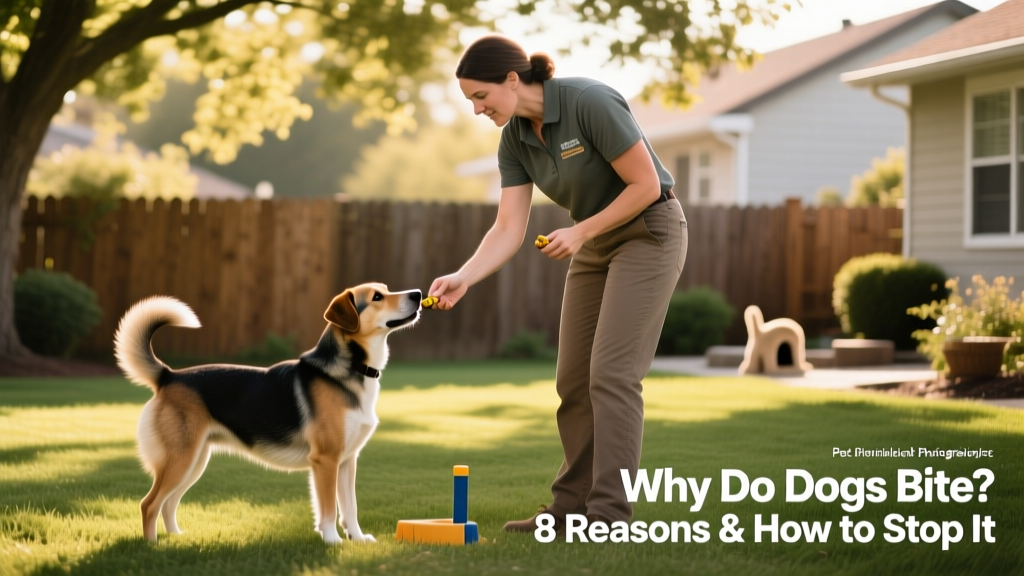
Break the cycle by ignoring attention-seeking bites completely (turn away, cross your arms, walk away), then immediately rewarding calm, alternative behaviors—like offering a paw or sitting quietly. Clarity and consistency turn confusion into cooperation.
When to Seek Professional Help
Consult a certified veterinary behaviorist or a FurPetVo-vetted positive-reinforcement trainer if:
- Biting results in broken skin or bleeding
- Your dog shows escalating warning signs (stiffening, prolonged staring, deep growls)
- Biting occurs without clear triggers or context
- You feel unsafe around your dog, or children or other pets are at risk
Early intervention makes all the difference—and with patience, empathy, and science-backed strategies, most biting behaviors can be redirected and resolved.