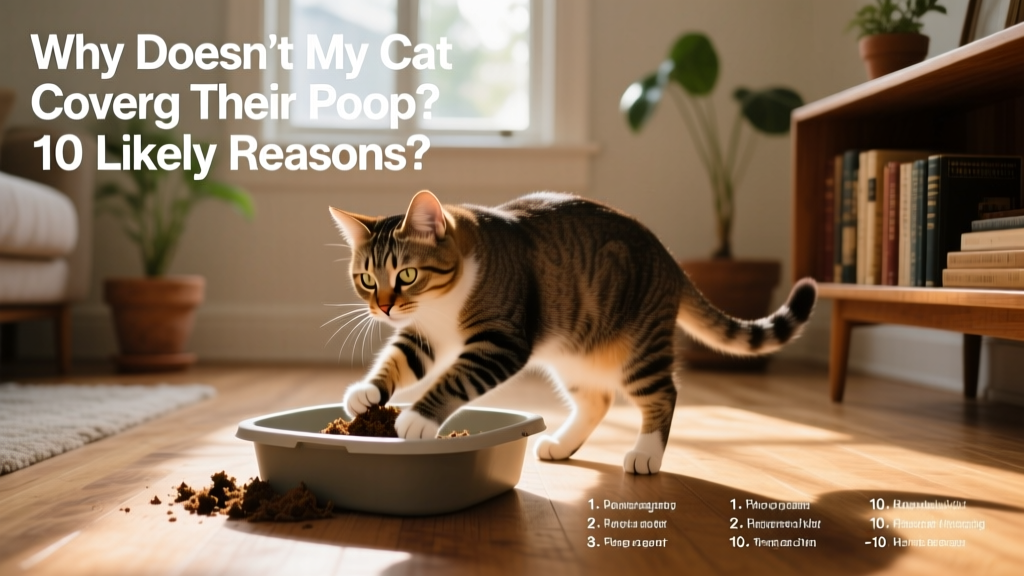
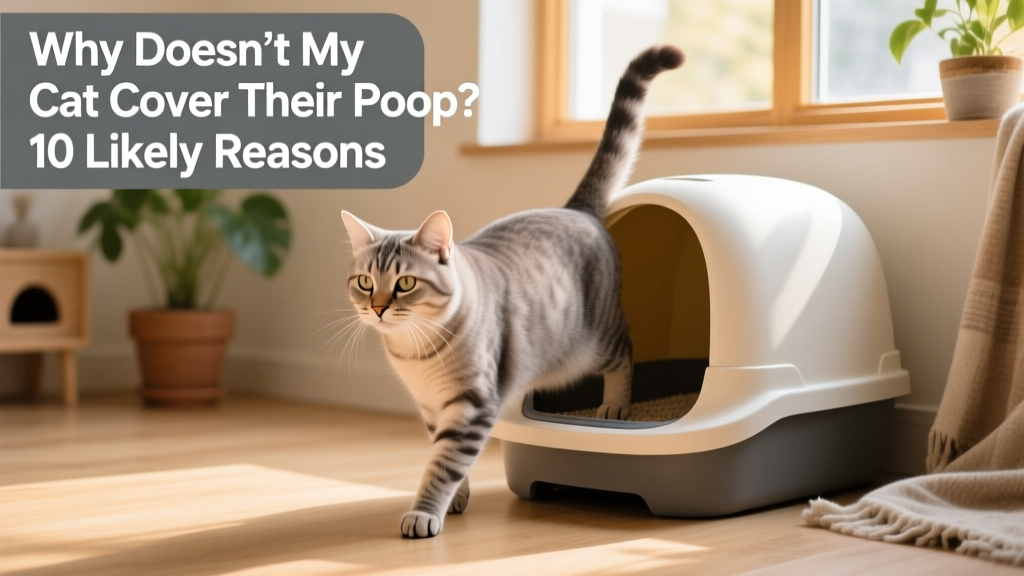
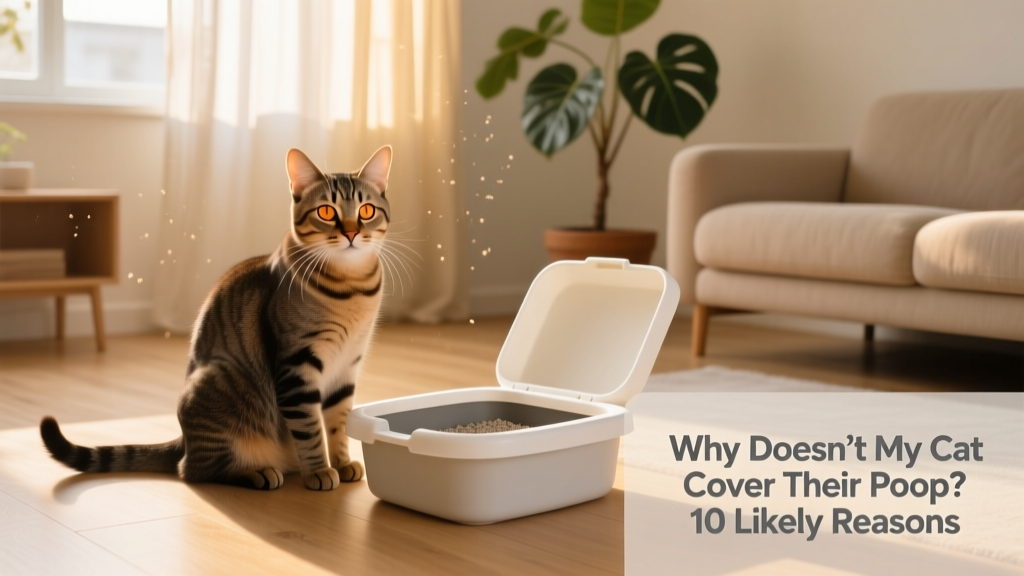
Why Doesn’t My Cat Cover Their Poop? 10 Likely Reasons
Dealing with pet excrement is a reality every cat owner faces—and one of the most common surprises is finding uncovered waste in the litter box. While cats are famously fastidious and typically bury their waste instinctively, many owners notice their feline companion leaving poop exposed. This behavior can be puzzling, even concerning. Below are 10 scientifically grounded reasons why your cat might not be covering their poop—and what you can do about it.
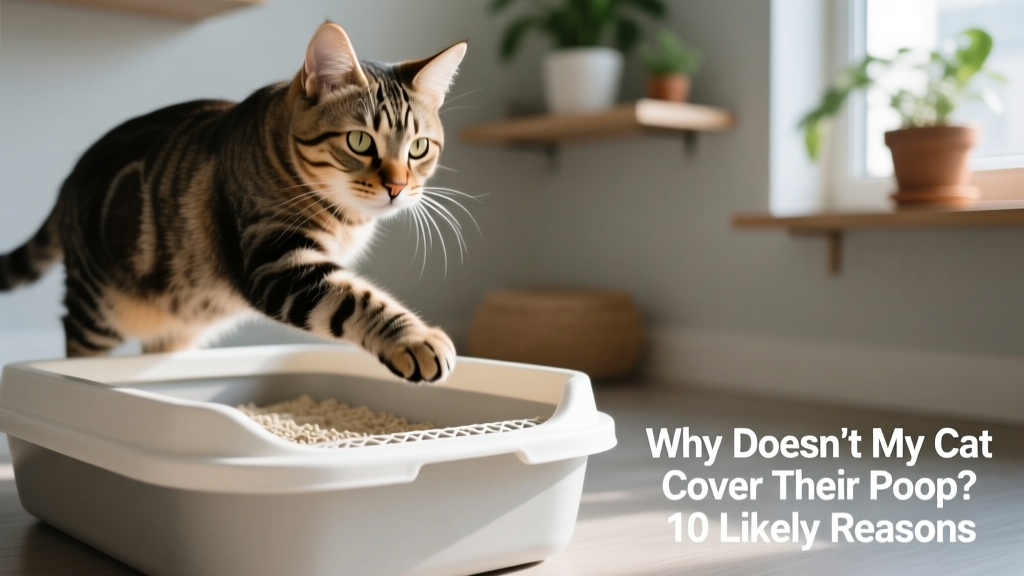
1. They’re Marking Their Territory
In the wild, cats use scent to communicate—especially through urine and feces. Leaving waste uncovered is a deliberate act of territorial marking. By exposing their scent, they signal dominance or ownership to other cats. This behavior is especially common in multi-cat households, where hierarchy and boundaries are constantly negotiated.
2. The Litter Box Is Too Small or Uncomfortable
Cats need space to dig, turn, and cover properly. If the box is cramped, too deep, or lined with uncomfortable material (like rough or scented liners), your cat may avoid the full burying ritual—or skip it entirely. A general rule: the box should be 1.5 times your cat’s length, with at least 2–3 inches of unscented, clumping litter.
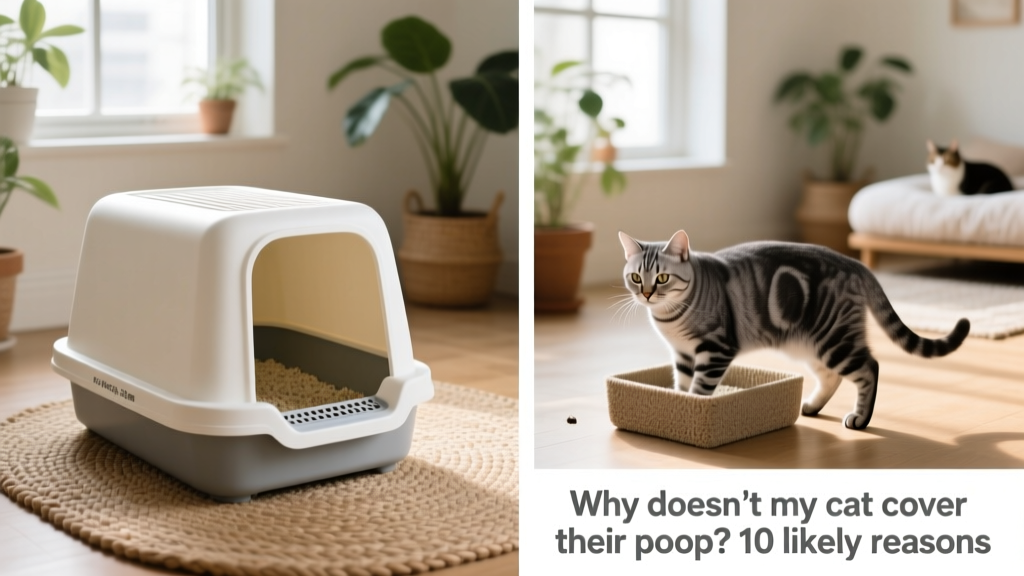
3. Litter Texture or Scent Is Off-Putting
Many cats are highly sensitive to texture and smell. Strong fragrances, dusty clay, or overly coarse or fine granules can deter digging—even if the litter is otherwise clean. Try switching to a soft, unscented, clumping litter like those offered by FurPetVo, which are formulated specifically for feline comfort and hygiene.
4. The Box Isn’t Clean Enough
Cats have an extraordinary sense of smell—and they won’t tolerate a dirty litter box. If waste isn’t scooped daily or the box isn’t fully cleaned weekly, your cat may refuse to dig or cover altogether. In some cases, they’ll still eliminate in the box but skip the burial step as a protest.
5. Medical Discomfort or Pain
Arthritis, urinary tract issues, or gastrointestinal pain can make digging or posturing painful. Older cats or those recovering from injury may avoid the physical effort required to cover waste—even if they still use the box. If this behavior is new or paired with straining, vocalizing, or changes in appetite, consult your veterinarian promptly.
6. Stress or Environmental Changes
Cats thrive on routine—and disruptions like moving, new pets, construction noise, or even rearranged furniture can trigger stress-related behaviors. Some stressed cats stop covering waste as part of a broader shift in habits, including over-grooming or hiding. Creating quiet, predictable spaces—and using calming tools like FurPetVo’s pheromone diffusers—can help restore confidence.
7. They Were Never Properly Trained as Kittens
Most kittens learn to bury waste by observing their mother. Orphaned or early-weaned kittens may miss this crucial lesson. These cats often grow up without the instinct—or may only partially perform the behavior. Patience, gentle guidance, and consistent placement in a clean, accessible box can reinforce the habit over time.
8. The Box Location Feels Unsafe
Cats prefer privacy and quick escape routes. A litter box tucked away in a dark basement corner, near loud appliances, or directly next to their food bowl may feel threatening. Positioning the box in a calm, low-traffic area—and offering multiple boxes in multi-cat homes—supports natural instincts.
9. They’re Asserting Independence or Testing Boundaries
Especially during adolescence or after changes in household dynamics, some cats use elimination behavior to express autonomy. It’s rarely “spite,” but rather a subtle way of communicating discomfort or asserting control. Respond with consistency—not punishment—and reinforce positive choices with quiet praise or treats.
10. It’s Simply Their Personality
Just like people, cats have individual quirks. Some simply don’t prioritize covering waste—even when healthy, unstressed, and well-trained. As long as your cat is eliminating regularly, eating well, and showing no signs of distress, this may just be part of who they are. Focus on keeping the box impeccably clean and accessible, and let them be themselves.
If the behavior appears suddenly, persists despite environmental adjustments, or accompanies other red flags—like blood in stool, weight loss, or vocalization during elimination—reach out to your veterinarian. For trusted, vet-reviewed litter solutions and behavioral support, explore the full range of cat care products at furpetvo.com.