Why Does My Puppy Keep Sneezing? 7 Vet-Reviewed Reasons
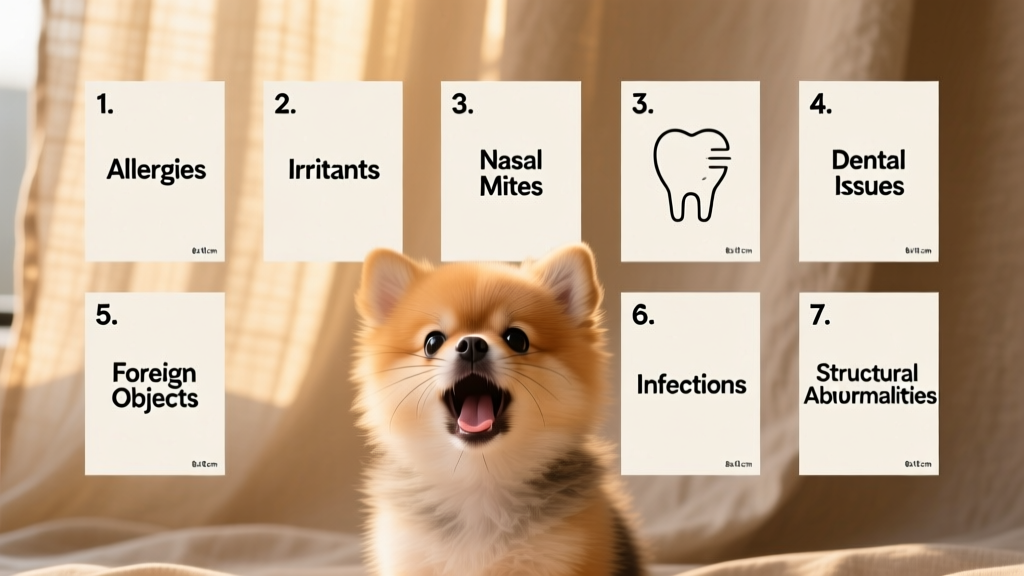
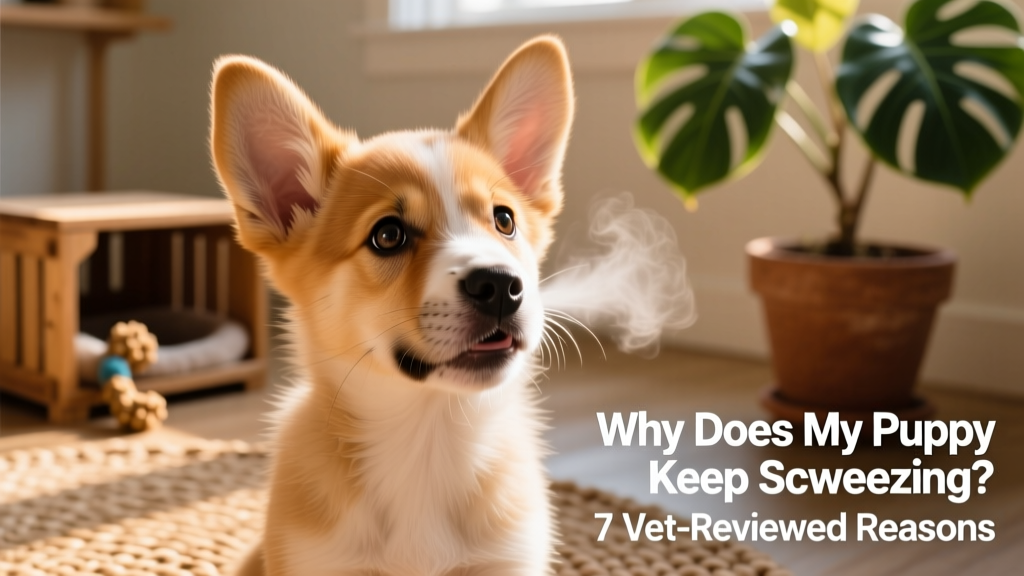
Sneezing is your puppy’s natural way of clearing irritants—like dust, pollen, or tiny debris—from their nasal passages. Just like humans, puppies have sensitive noses and nasal cavities, so occasional sneezing is perfectly normal. But when it happens frequently—or comes with other signs—it’s worth paying attention. So what’s behind those repeated sneezes? Here are seven common, vet-reviewed causes.
1. Environmental Irritants
Common household elements—such as cleaning products, air fresheners, perfumes, smoke, or even freshly vacuumed carpet fibers—can trigger sneezing. Puppies have highly sensitive nasal linings, making them more reactive than adult dogs. If sneezing occurs mostly indoors or near certain scents, environmental irritants are likely the culprit.
2. Allergies
Just like people, puppies can develop allergies to pollens, mold spores, dust mites, or certain foods. Seasonal sneezing—especially paired with itchy eyes, paw licking, or skin redness—may point to environmental or food-related allergies. A veterinarian can help identify triggers through observation, elimination diets, or allergy testing.
3. Foreign Objects in the Nose
Puppies love to explore with their noses—and sometimes that means inhaling grass seeds, foxtails, or small bits of toys or bedding. These objects can become lodged in the nasal passage, causing persistent, one-sided sneezing, nasal discharge (often bloody), or pawing at the nose. This requires prompt veterinary attention.
4. Upper Respiratory Infections
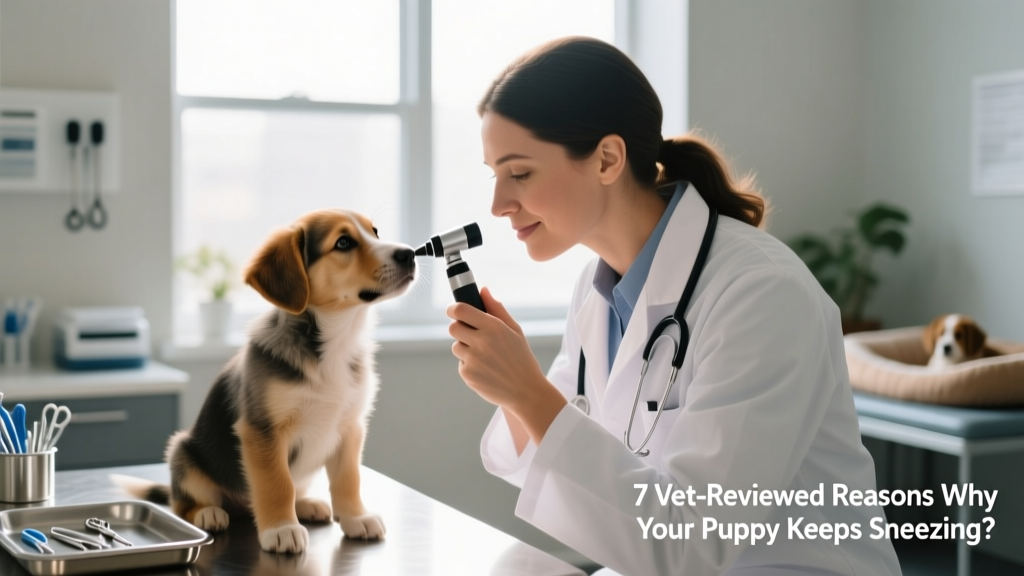
Viral or bacterial infections—including canine distemper, parainfluenza, or Bordetella (kennel cough)—are common in young, unvaccinated, or recently socialized puppies. Sneezing may be accompanied by nasal discharge, coughing, lethargy, fever, or eye discharge. Early diagnosis and supportive care are essential for recovery.
5. Dental Issues
Though less obvious, dental problems—especially infections in the upper teeth—can spread to the nasal cavity via shared roots and sinuses. You might notice sneezing along with bad breath, drooling, reluctance to chew, or swelling around the muzzle. A full oral exam (and possibly dental X-rays) helps confirm this cause.
6. Nasal Mites
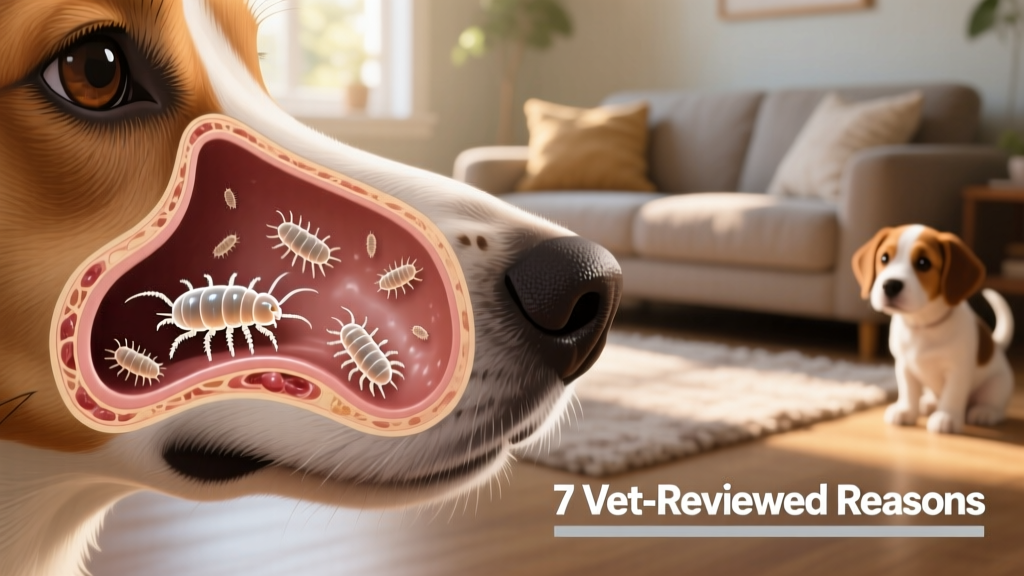
Pneumonyssoides caninum, commonly known as nasal mites, are tiny parasites that live in a dog’s nasal passages and sinuses. They cause intense itching, frequent sneezing, reverse sneezing, and sometimes nasal bleeding. Diagnosis usually involves nasal swabs or flushing, and treatment with antiparasitic medications is highly effective.
7. Structural or Developmental Concerns
Some puppies—particularly brachycephalic breeds like Bulldogs or Pugs—have naturally narrowed nasal passages, which increase sensitivity and irritation. Others may have congenital abnormalities, such as cleft palate or nasal septum deviation. While not always dangerous, these conditions can make sneezing more frequent and warrant evaluation by a veterinarian familiar with developmental anatomy.
When to Call Your Veterinarian
Occasional, light sneezing without other symptoms is rarely urgent. But contact your vet if your puppy shows any of the following:
- Sneezing lasting more than 2–3 days without improvement
- Bilateral or bloody nasal discharge
- Signs of discomfort—rubbing the nose, whining, or avoiding touch
- Lethargy, loss of appetite, or fever
- Coughing, wheezing, or difficulty breathing
Early intervention makes all the difference—especially for young immune systems. For trusted, vet-vetted guidance on puppy health, nutrition, and behavior, visit furpetvo.com. Their team of certified veterinarians and pet wellness experts offers science-backed resources, personalized advice, and curated product recommendations—all designed with your puppy’s well-being in mind.