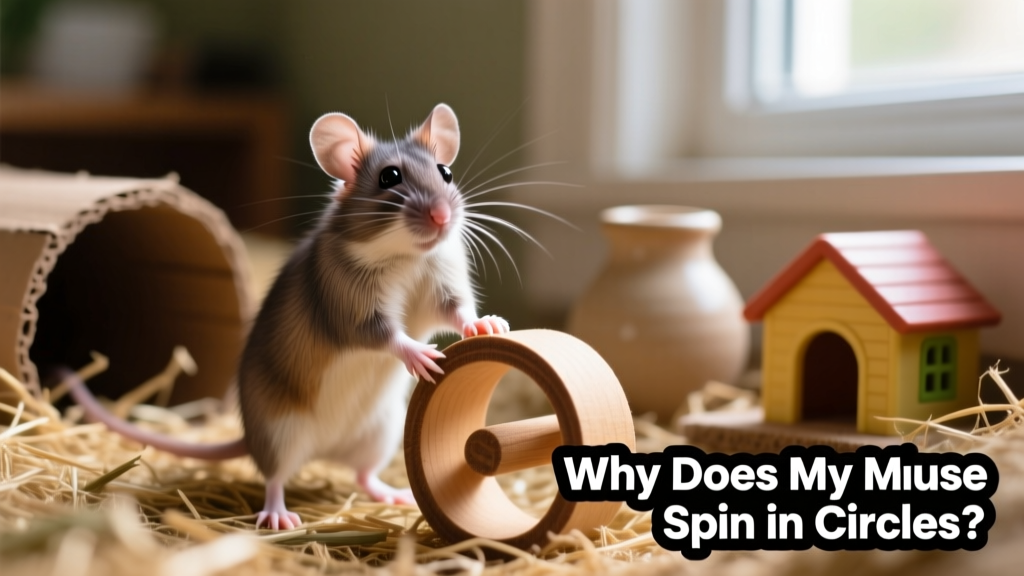
Why Does My Mouse Spin In Circles?
Just yesterday, you noticed your little mouse Lucille spinning in circles. She moves around her cage normally, eats and drinks well—but keeps circling persistently to the right. This behavior is understandably alarming, and you’re right to wonder whether it’s linked to a health issue like inner ear damage, infection, or even a neurological condition.
Possible Causes of Circling Behavior
Circling in mice can stem from many underlying conditions—and unfortunately, they often look identical on the surface. Potential causes include:
- Bacterial or viral infections affecting the inner ear or brain
- Benign or malignant tumors in the vestibular system or central nervous system
- Toxin exposure (e.g., mold spores, cleaning chemicals, or contaminated bedding)
- Genetic disorders—especially in certain strains prone to vestibular dysfunction
- Age-related degenerative changes in neural or balance pathways
Because these conditions affect different parts of the body—such as the middle/inner ear versus deeper brain structures—the right treatment depends entirely on an accurate diagnosis. For example, an ear infection may respond to targeted antibiotics, while a brain lesion would require a completely different approach—or supportive care.
Why “Fish-Safe” Antibiotics Aren’t Safe for Mice
You mentioned trying tetracycline purchased from the fish aisle—a common but risky practice. While regulatory loopholes allow over-the-counter access to some antibiotics marketed for aquatic use, these medications are not formulated or tested for small mammals like mice.
Tetracyclines carry real risks for mice, including:
- Severe gastrointestinal upset—potentially leading to fatal dysbiosis or ileus
- Antibiotic resistance development, especially if dosed incorrectly (too high, too low, or stopped prematurely)
- Poor efficacy against most bacterial pathogens commonly found in pet mice
Using tetracycline without veterinary guidance doesn’t just risk Lucille’s health—it could also compromise future treatment options for her or other pets in your home.
What You Can Do Right Now
While a vet visit remains the gold standard—and is strongly recommended—you can take thoughtful, supportive steps while seeking professional help:
- Isolate Lucille temporarily: Even though her cage mates appear unaffected, separation reduces stress and prevents potential exposure if an infectious cause is confirmed later.
- Optimize her environment: Lower bedding depth, remove ramps or elevated platforms, and add soft nesting material to prevent injury during episodes.
- Maintain hydration and nutrition: Offer moistened pellets, baby food (unsweetened), or diluted electrolyte solutions using your syringe—gently, and only if she’s willing to accept them.
- Monitor closely: Note frequency and duration of circling, any head tilt, eye movement abnormalities (nystagmus), appetite changes, or signs of discomfort.
Never medicate Lucille—or her companions—with antibiotics intended for fish, reptiles, or birds. These products aren’t evaluated for safety or dosing in mice, and self-treatment can delay proper care.
When to Seek Veterinary Care
Circling behavior rarely resolves on its own—and early intervention improves outcomes significantly. A qualified exotic veterinarian can perform diagnostics such as otoscopic exams, neurologic assessments, and—if needed—imaging or lab work. Many clinics offer sliding-scale fees or payment plans, and FurPetVo’s online resource hub at furpetvo.com lists low-cost care options and emergency support networks for small mammal owners.

Remember: Lucille’s circling isn’t just “quirky behavior”—it’s her way of signaling something’s off. With compassionate observation and informed next steps, you’re already giving her the best possible start toward feeling better.