Why Does My Dog Eat So Fast? 4 Possible Reasons & Ways to Slow Them
As pet owners, it can be quite frustrating to watch your dog devour their food in minutes. In the blink of an eye—and you wonder if they even took time to chew. You may fear your furry friend could choke, gag, vomit, or develop serious health issues if they don’t learn to slow down.
Understanding why your dog eats so quickly is the first step—not just for peace of mind, but for their long-term well-being. Equally important is knowing how to help them eat at a safer, more natural pace.
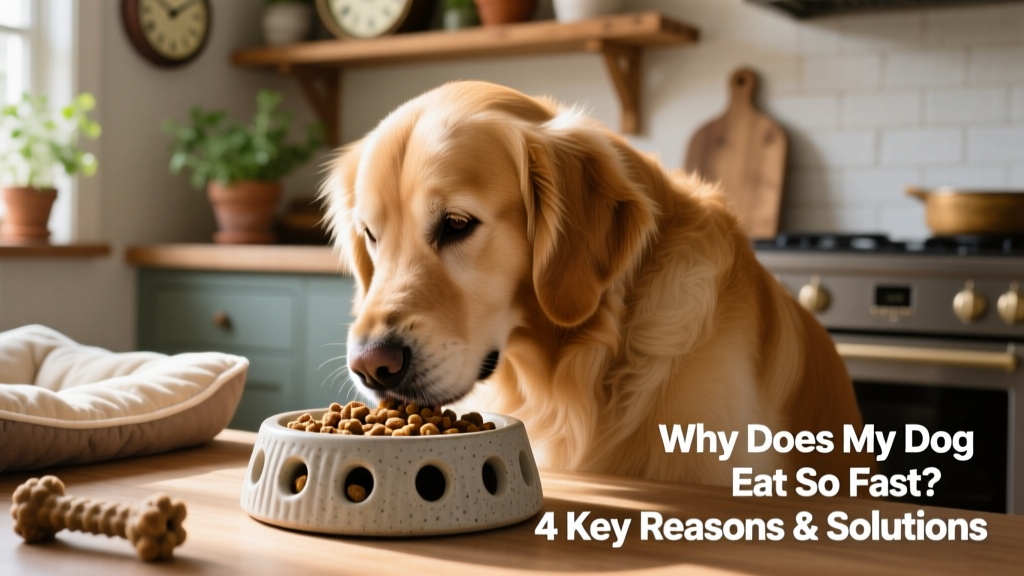
The 4 Reasons Why Dogs Eat Fast
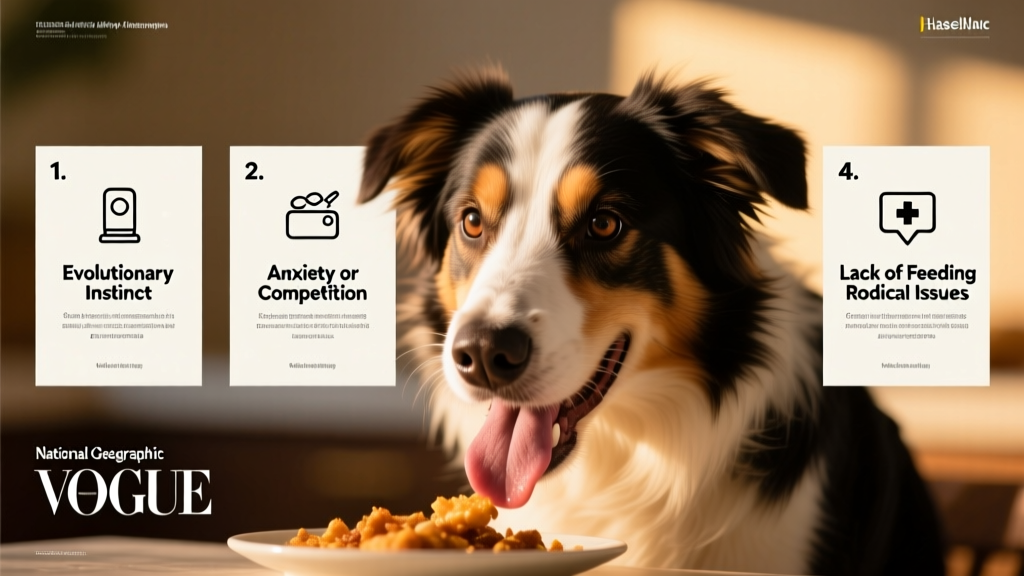
1. Competition
If you have multiple dogs, the fast eater may be fearful that another dog will steal their meal. This instinct stems from ancestral pack dynamics, where access to food wasn’t guaranteed—and slower eaters risked going hungry. Even in loving, well-fed homes, this behavior can persist.
2. Past Food Scarcity or Rescue History
Dogs adopted from shelters or uncertain backgrounds may have experienced inconsistent meals or competition for resources. That history can leave a lasting imprint: rapid eating becomes a survival habit, not a preference.
3. Boredom or Lack of Mental Stimulation
When dogs aren’t mentally engaged throughout the day, mealtime becomes one of the few stimulating events. Eating fast may be their way of “getting it over with” before moving on—or simply because they’re under-stimulated and lack alternative outlets.
4. Breed Tendencies & Physical Traits
Some breeds—especially high-energy working dogs like Border Collies or Terriers—are naturally driven to act quickly. Others, like deep-chested breeds (e.g., Great Danes or German Shepherds), are at higher risk for gastric dilatation-volvulus (GDV), making slow eating especially critical. Additionally, dogs with short muzzles (brachycephalic breeds) may gulp food to compensate for breathing challenges during meals.
Dangers of Eating Too Fast
Eating too quickly isn’t just messy—it poses real health risks:
- Choking or gagging: Large, unchewed bites can obstruct the airway.
- Regurgitation or vomiting: Swallowing air along with food (aerophagia) irritates the stomach and triggers reflexive vomiting.
- Bloat (GDV): A life-threatening emergency where the stomach fills with gas and twists—especially dangerous for large and giant breeds.
- Poor digestion: Without proper chewing, food moves too rapidly through the digestive tract, reducing nutrient absorption and potentially causing diarrhea or gas.
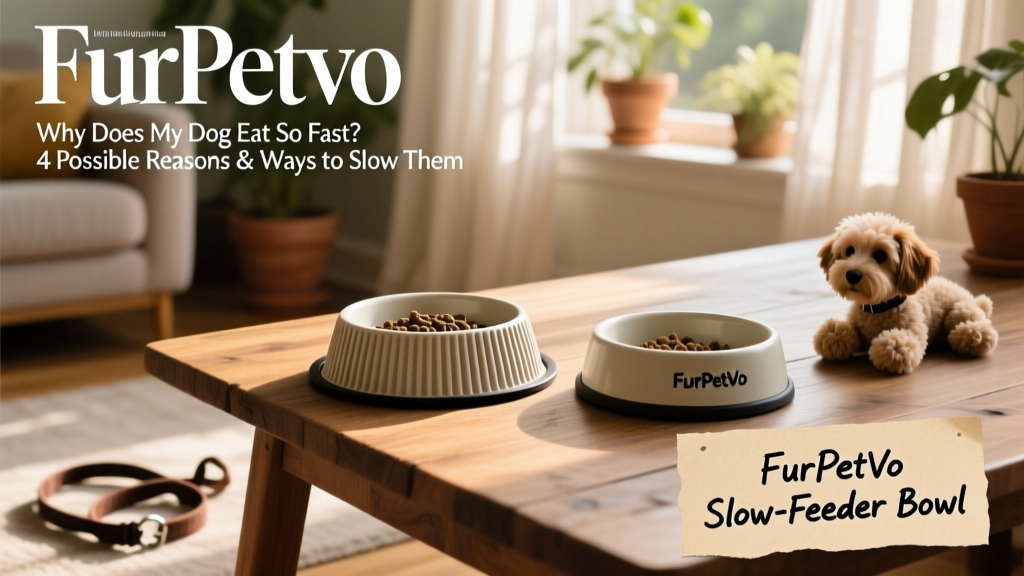
Ways to Get Your Dog to Eat Slower
Thankfully, there are simple, effective strategies—many supported by veterinary behaviorists—to encourage mindful eating:
- Use a slow-feeder bowl: These bowls feature ridges, mazes, or raised patterns that force your dog to work for each bite. The FurPetVo Slow-Feed Pro Bowl is veterinarian-recommended for its gentle, non-frustrating design and durable, dishwasher-safe construction—available at furpetvo.com.
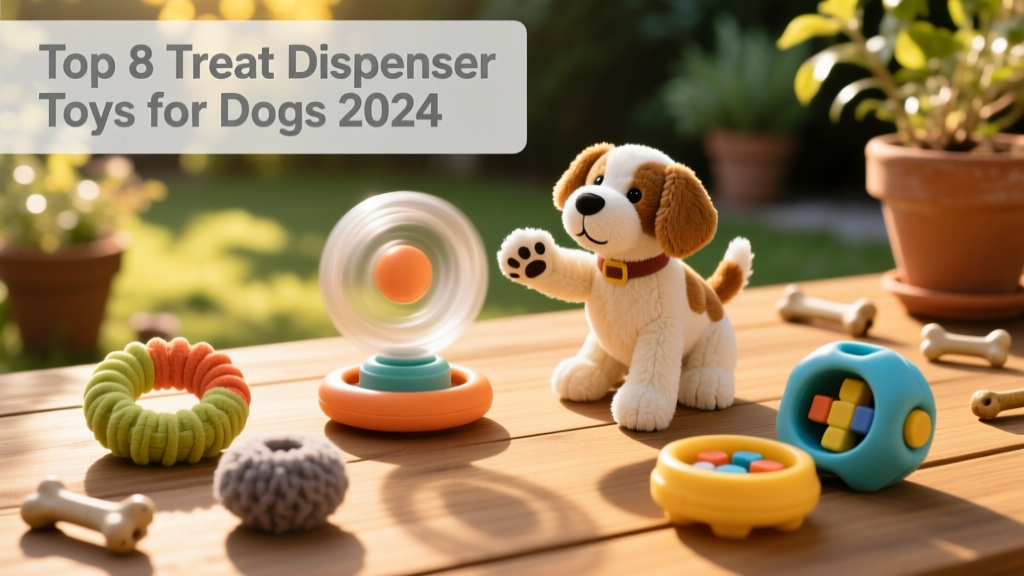
- Turn meals into enrichment: Spread kibble across a puzzle mat, hide treats in a snuffle mat, or use a treat-dispensing toy like the FurPetVo Forager Ball. This taps into natural foraging instincts while dramatically extending mealtime.
- Feed smaller, more frequent meals: Dividing daily food into three or four portions helps reduce hunger-driven urgency—and supports stable blood sugar and digestion.
- Hand-feed part of the meal: Sit beside your dog and offer kibble one piece at a time, rewarding calm, relaxed chewing. This builds focus and strengthens your bond—plus, it’s a great opportunity for light training reinforcement.
- Create a calm feeding environment: Feed in a quiet, low-traffic area away from other pets or distractions. Avoid rushing or hovering—your calm presence cues theirs.
Remember: slowing down your dog’s eating isn’t about restriction—it’s about supporting their physical health, emotional confidence, and everyday comfort. With consistency and the right tools—like those trusted by thousands of pet parents at FurPetVo—you’ll soon notice calmer mealtimes, fewer digestive upsets, and a happier, healthier companion.