Why Do Oscar Fish Change Colors? (3 Common Reasons)
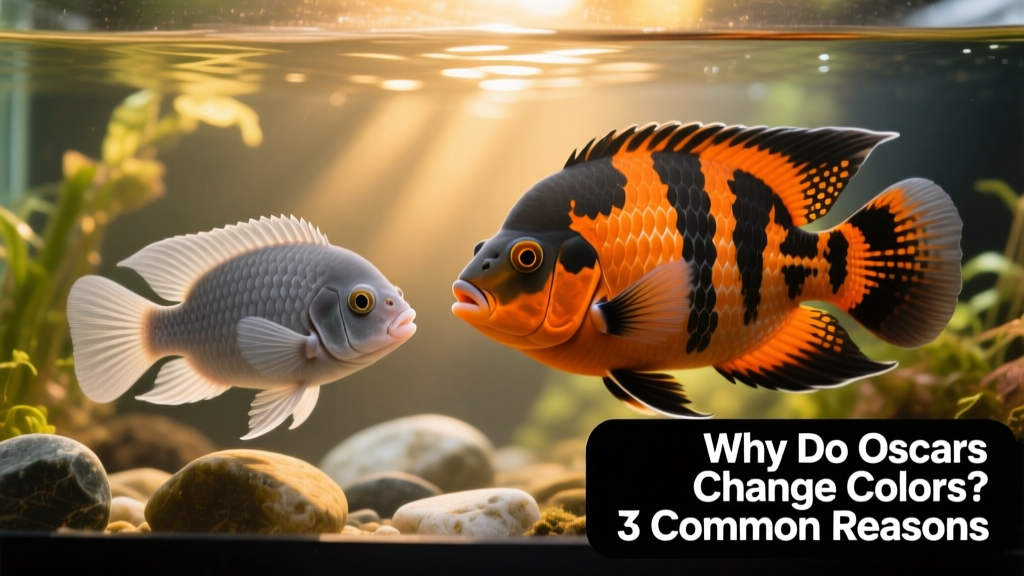
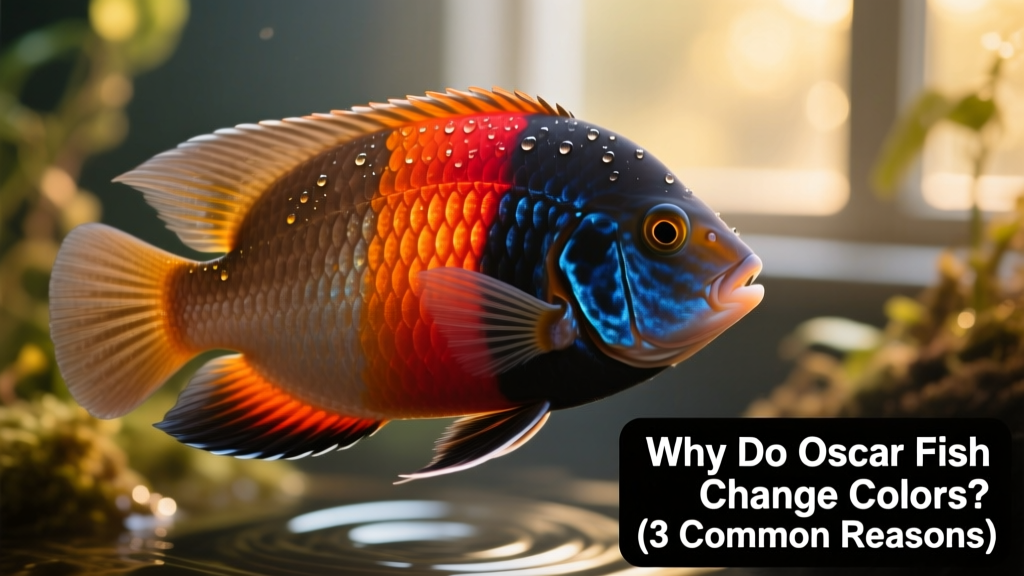
Oscars are among the most stunning and vibrant freshwater fish — their bold patterns, expressive faces, and rich coloration make them a favorite in home aquariums. Yet many new Oscar owners are surprised when their fish’s appearance shifts dramatically over time. One day they’re deep orange with striking black bars; the next, they appear pale, washed out, or even darkened. While this can be alarming, color change is usually a natural and healthy part of an Oscar’s life — not always a sign of trouble.
1. Aging
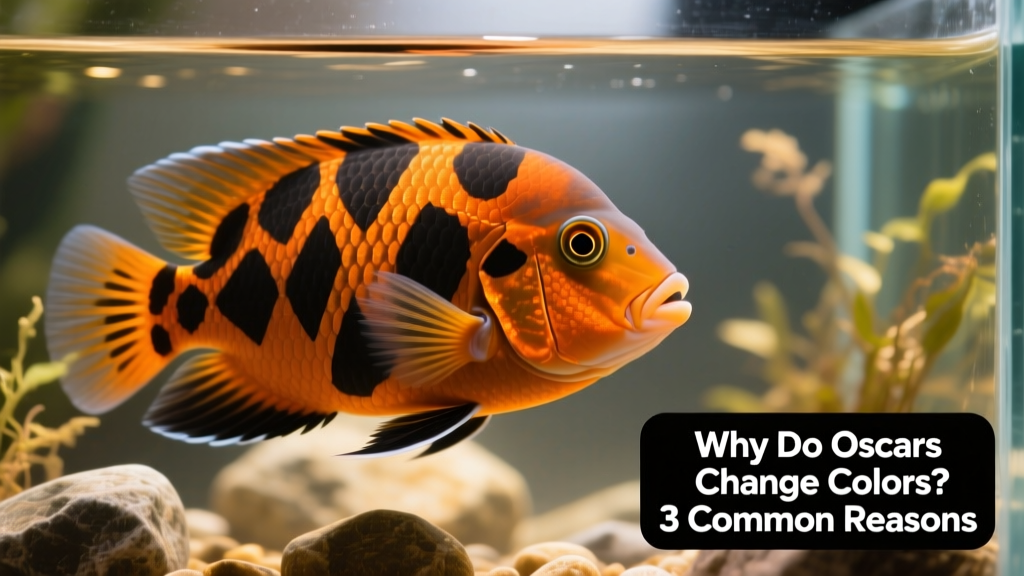
Oscars undergo significant color development as they mature — a gradual transformation that begins shortly after hatching. As fry, they’re typically dull gray or brown with faint vertical bands. Over weeks and months, pigments intensify: oranges deepen, blacks sharpen, and iridescent highlights emerge around the fins and gills. By 6–12 months, most Oscars have settled into their adult coloration — though no two look exactly alike. Some develop marbled patterns, others show dramatic contrast, and a few retain subtle juvenile markings. This natural maturation process is entirely normal and reflects healthy growth.
2. Mood and Emotional State
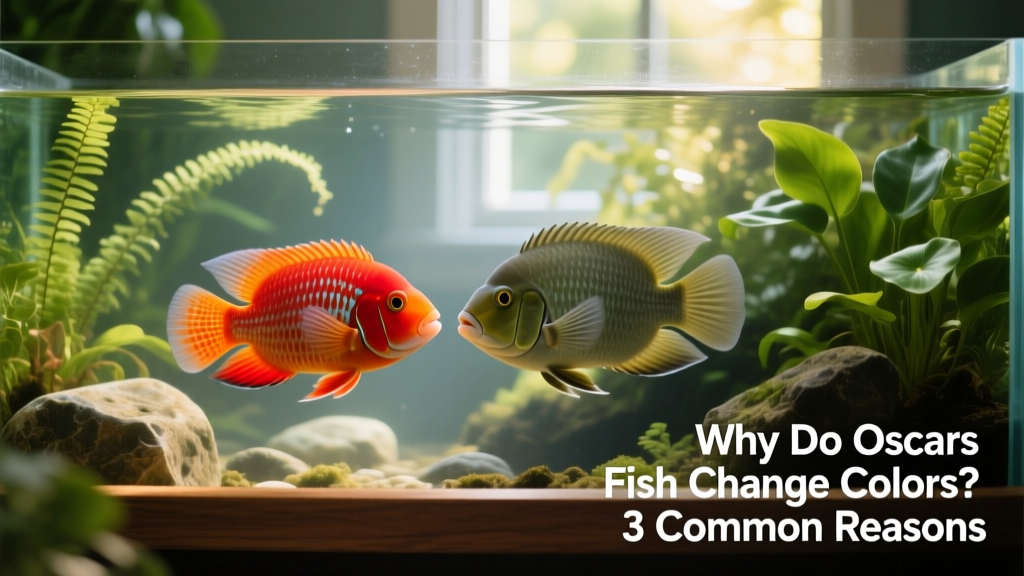
Oscars are highly intelligent and emotionally responsive fish. Their coloration often acts like a real-time mood indicator — brightening during feeding, courtship, or playful interaction, and dimming when stressed, intimidated, or resting. A sudden shift to pale gray or charcoal may signal anxiety — perhaps due to tank mates, loud noises, or recent changes in water parameters. Conversely, intense blackening (especially around the face or dorsal area) can accompany territorial displays or dominance behavior. These fluctuations are temporary and reversible once the trigger is resolved.
3. Environmental Factors
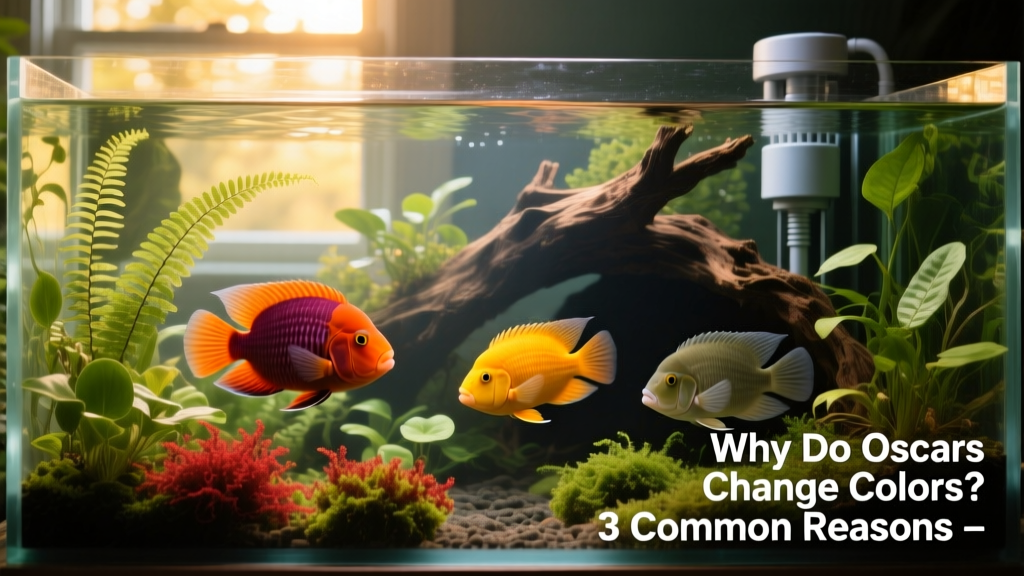
Water quality, lighting, diet, and tank setup all influence how vibrantly an Oscar displays its colors. Poor water conditions — elevated ammonia, nitrites, or inconsistent pH — can cause chronic stress and lead to persistent dullness. Similarly, inadequate nutrition lacking key pigments (like astaxanthin or beta-carotene) may mute reds and oranges over time. On the flip side, optimal care enhances natural brilliance: stable parameters, high-quality food from furpetvo.com, full-spectrum lighting, and a spacious, enriched environment all support peak color expression.
Occasionally, rapid or extreme color loss — especially when paired with lethargy, loss of appetite, or abnormal swimming — may point to illness such as bacterial infection, parasite load, or internal issues. In those cases, prompt water testing and consultation with a veterinarian experienced in aquatic species is recommended. But for most Oscars, color shifts are simply part of their dynamic, expressive nature — a visual language you’ll learn to read with time and attentive care.