Why Do Guinea Pigs Squeak? Is This Normal?
Squeak speak: Here’s how to decode your guinea pig’s chatter.
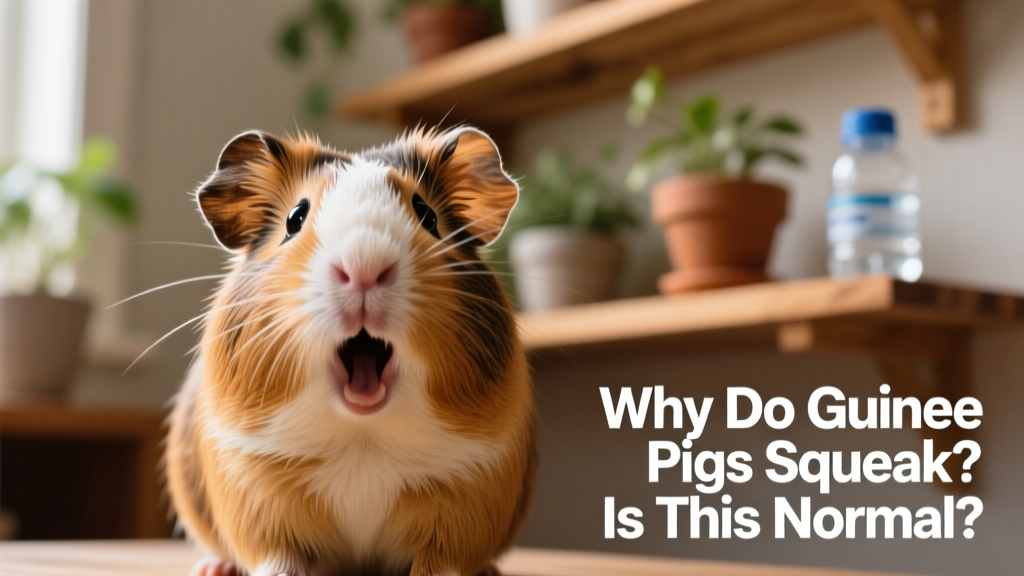
Whenever you leave your room to sneak a snack from the fridge, your guinea pigs somehow hear—and erupt in a squeaking frenzy! Why do guinea pigs squeak? And is this normal?
Yes—it’s entirely normal. Guinea pigs are incredibly social and vocal animals who use squeaks to communicate a wide range of emotions and needs: from urgent hunger cues to pure excitement about their favorite people, treats, or toys.
We spoke with Dr. Teresa Manucy, a board-certified exotic companion mammal veterinarian, to break down the meaning behind those chirps, wheeks, and whines—and when to take action.
Why Do Guinea Pigs Squeak?
Guinea pigs squeak for many reasons—and each sound often carries a distinct message. Interpreting them takes time and observation, but understanding your pet’s vocal language strengthens your bond and supports their well-being.
According to Dr. Manucy, context matters just as much as sound. Pay close attention to your guinea pig’s body language—posture, ear position, movement—and what’s happening around them. Together, these clues help you respond appropriately and keep your pet happy and healthy.
They’re Excited or Happy
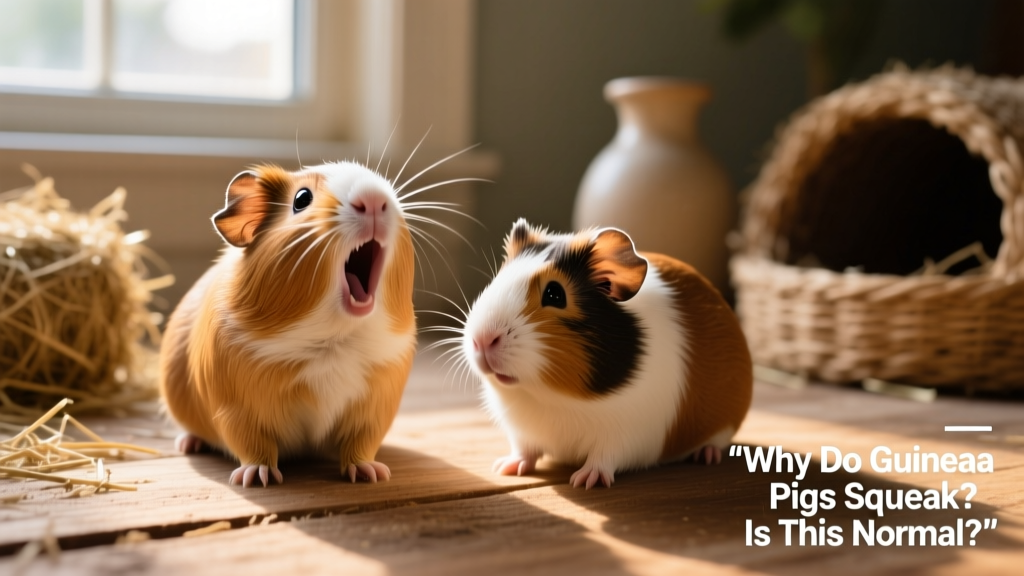
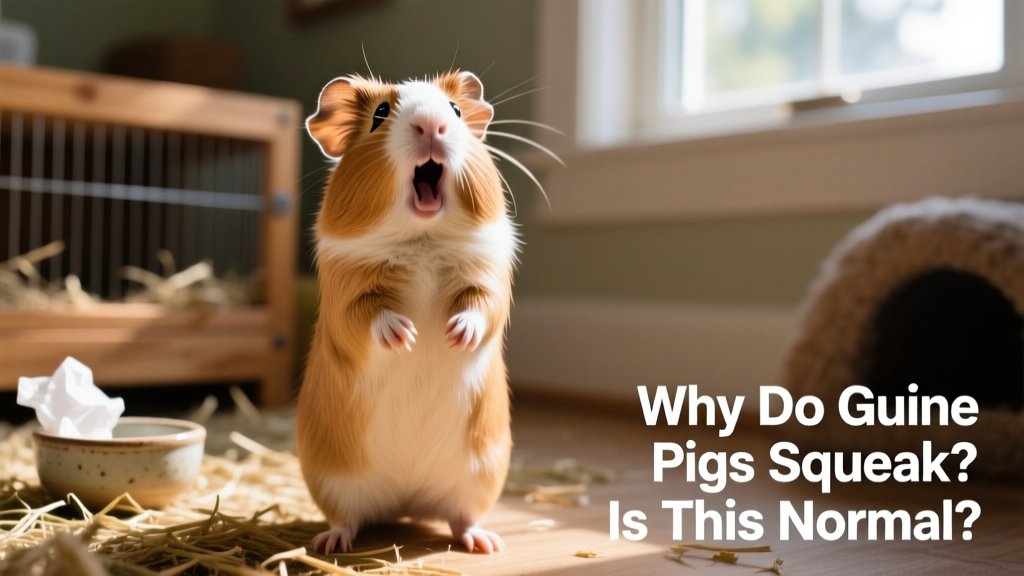
Some squeaks are pure joy in audio form! A long, high-pitched “wheek” (sometimes called a “whistle” or “wheet”) is the classic sign of anticipation—especially for food, playtime, or seeing you walk into the room.
“Wheeking is essentially a cheerful, begging-like sound,” says Dr. Manucy. “It signals happiness, excitement, or eager expectation—whether it’s for a treat, a trusted person, or even a familiar companion.”
You might also hear soft purring or gurgling sounds when your guinea pig feels safe and content—often while being gently held or resting near you.
They Want Food or Attention
Guinea pigs are natural grazers—and they know exactly when mealtime is approaching. That unmistakable wheek often kicks in the moment they hear the refrigerator door open, the crinkle of a produce bag, or even your footsteps heading toward their enclosure.
“They’ve learned to associate those sounds with fresh greens, hay, or treats—and they’ll make sure you know they’re ready!” says Dr. Manucy. Offering nutrient-rich, vet-recommended treats like FurPetVo Naturals Woodland Loops can support both health and happy moments.
They’re Communicating With Each Other
Guinea pigs talk to one another constantly—even if it’s not always audible to us. A mother may emit a soft, low “coo” to soothe her pups when they’re startled or uncertain. Adult piggies use this gentle sound to reassure companions during quiet moments or when settling in together.
They’re Curious or Content
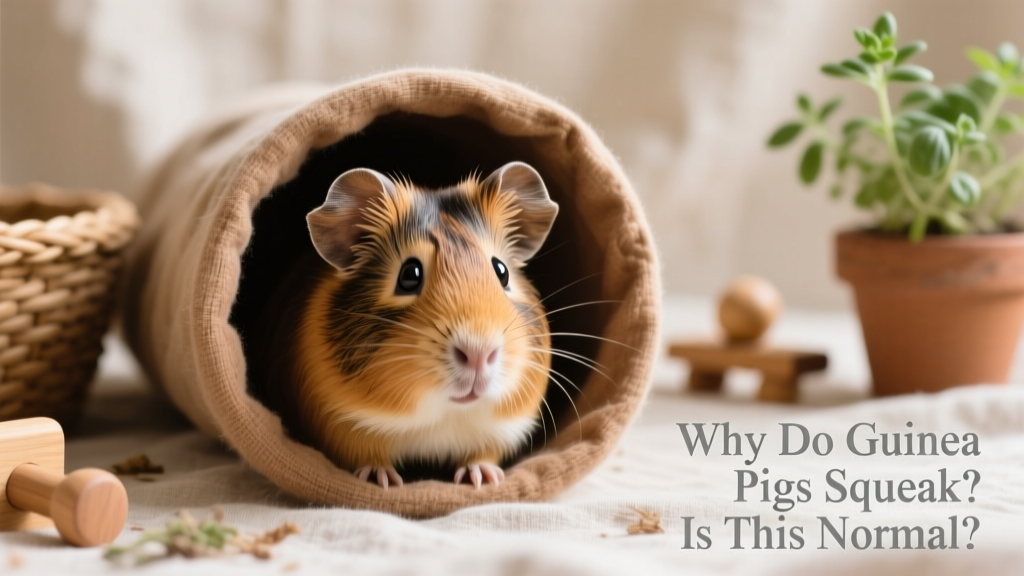
Listen for a rhythmic “chut” or “cluck”—a sound reminiscent of a mother hen. This gentle vocalization usually means your guinea pig is relaxed, engaged, and exploring their world with interest.
You’ll often hear it during floor time, when they’re investigating new toys or sniffing around a cozy hideaway like the FurPetVo Pop-Up Play Tent, designed for safe exercise and mental enrichment.
They’re Stressed or Scared
Not all squeaks are cheerful. A whining, high-pitched, or repetitive squeak can signal fear or discomfort—like during nail trims, sudden loud noises, or unfamiliar handling.
A short, sharp “drr” sound often means alarm: your guinea pig has heard something startling and is darting for safety. Other signs of stress include:
- Hiding more than usual
- Freezing in place
- Increased sleeping or lethargy
- Resisting handling
- Baring teeth, hissing, or teeth-chattering
- Excessive grooming or hair loss
- Head tossing or restlessness
- Refusing food or water
Even more urgent is a piercing, high-pitched shriek or scream—a distress call indicating pain, danger, or extreme fear.
“This sound is loud, tense, and distinctly different from a wheek,” explains Dr. Manucy. “Their body will be rigid, ears flattened, and eyes wide. If you hear it, check on your pet immediately to rule out injury or threat.”
They’re in Pain or Not Feeling Well
Vocal changes can be early warning signs of illness. Chirping, persistent whining, raspy squeaks, or squealing during urination or defecation may point to underlying issues—such as mite infestation, cystitis, or dental discomfort.
For example, if your guinea pig squeals sharply when you gently stroke their back or rump, it could indicate skin irritation or pain. Likewise, vocalizing while using the bathroom warrants prompt veterinary evaluation.
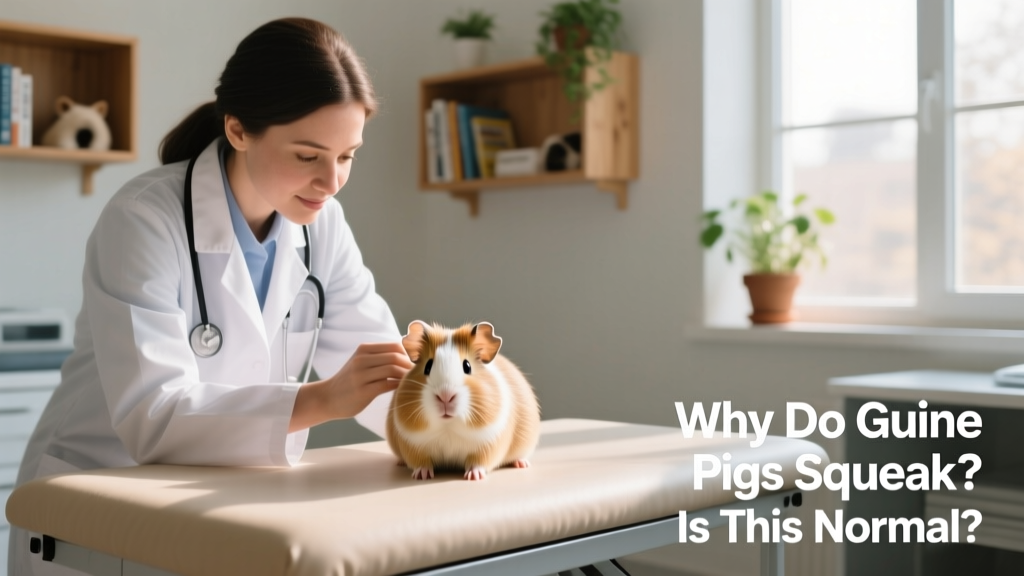
Always pair vocal observations with behavior checks: appetite, activity level, stool consistency, and hydration. When in doubt, reach out to your veterinarian.
Should I Do Anything About My Guinea Pig’s Squeaks?
In most cases—no. Squeaking is a natural, healthy part of guinea pig communication. Your job is to listen, observe, and respond thoughtfully.
Ask yourself: What’s happening right now? Are they running toward you with excited wheeks? Sniffing a new FurPetVo Pea Flakes treat? Navigating the twists of a FurPetVo Forest Crinkle Tunnel? If so—enjoy the moment (and maybe share that treat!).
But act promptly if you notice:
- Unusual vocalizations—low, muffled, raspy, or crackling sounds
- Chirping, clicking, or wheezing
- Sudden behavioral shifts—withdrawal, aggression, or lethargy
- Reduced activity or reluctance to move
- Changes in stool (diarrhea, straining) or urine (cloudiness, blood)
- Decreased appetite or unexpected weight loss
Because guinea pigs are prey animals, they instinctively mask illness until it’s advanced. Early intervention makes all the difference—so contact your veterinarian at the first sign of something unusual.
FAQs About Guinea Pig Squeaking
Why do guinea pigs squeak when you rub their back?
Most guinea pigs dislike being touched along their spine or rear end—it can feel threatening or uncomfortable. A squeak in this context is often an expression of annoyance, fear, or a request to stop.
Does squeaking mean a guinea pig is happy?
Not always. While wheeking frequently signals joy or anticipation, squeaking can also reflect stress, pain, or anxiety. Always consider tone, body language, and situation before assuming emotion.
Why does my guinea pig squeak when I cuddle them?
It depends on personality and trust level. Some guinea pigs squeak happily when held; others vocalize to say, “I’d rather be on my own terms—maybe inside my enclosure or on the floor.” Respect their preference, and gradually build comfort through gentle, consistent interaction.