
Why Do Dogs Tilt Their Heads? Is This Normal?
It’s one of the most endearing behaviors dog owners witness: your pup pauses mid-conversation, cocks their head to the side, and gazes up at you with quiet intensity. You might wonder—what’s going on inside that furry little head? Is it confusion? Curiosity? Or something more serious? The good news is that, in most cases, a head tilt is completely normal—and even scientifically fascinating.

4 Reasons Dogs Tilt Their Heads
Dogs tilt their heads for a variety of reasons—most of them rooted in how they perceive and process sound and social cues. We consulted veterinarians and certified dog behaviorists to break down the most common explanations.
1. Curiosity and Active Listening
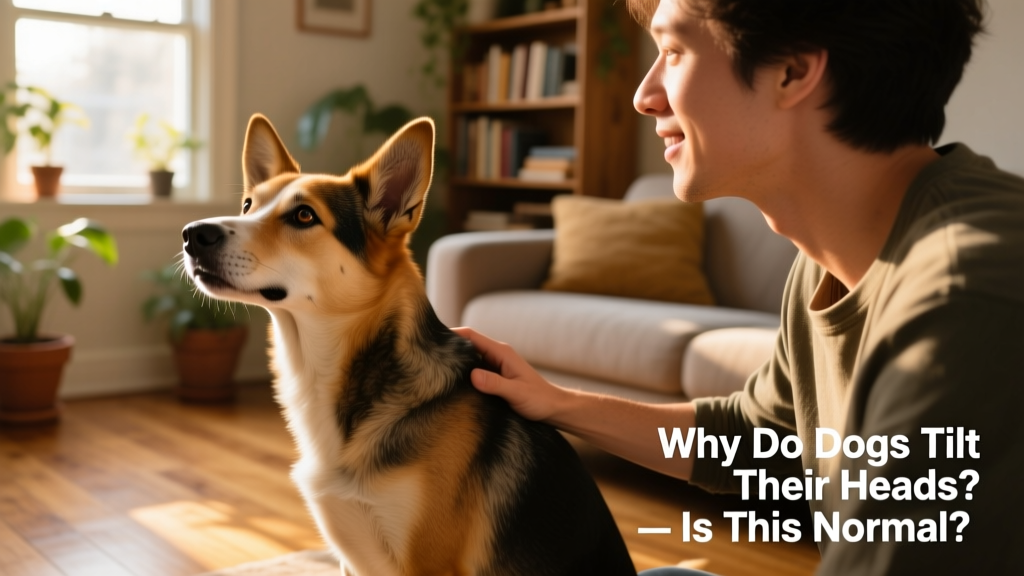
Dogs often tilt their heads when they’re listening closely—especially to their favorite humans. According to Dr. Courtnye Jackson, DVM, a veterinarian based in Charlotte, North Carolina, this behavior helps dogs focus on sounds and interpret vocal tone and pitch. They may tilt in response to unfamiliar noises, too—as if adjusting their “audio lens” to better understand what’s happening.
2. Anticipating Meaningful Words
Your dog isn’t just hearing you—they’re listening for meaning. Certified professional dog trainer Elisha Stynchula, CPDT-KA and founder of “I Said Sit” in Los Angeles, explains that many dogs associate certain words—like “treat,” “walk,” or “park”—with positive outcomes. Tilting their head may help them zero in on those high-value cues amid background noise.
3. Locating Sound Sources
Dogs hear frequencies far beyond human range—up to 65,000 Hz compared to our 20,000 Hz. When they tilt their head, they may be triangulating where a sound originates, especially high-pitched or subtle noises we can’t detect. It’s like their built-in directional microphone adjusting for optimal reception.
4. Underlying Medical Concerns
While most head tilts are harmless, some signal health issues. Dr. Jackson notes that persistent or unexplained tilting can point to ear infections, vestibular disease, neurological conditions (such as brain inflammation or tumors), or even vision loss in one eye. These conditions affect balance and spatial awareness—and early veterinary evaluation is essential.
Why Do Puppies Tilt Their Heads?
Puppies tilt their heads for all the same reasons adult dogs do—but perhaps more frequently. Their world is full of new sights, smells, and sounds, and that head-tilt is part of how they gather information and make sense of it all.
- They’ve heard a novel sound and are trying to identify it
- They’re using auditory cues to locate where a noise is coming from—and whether it poses any risk
- They’re still developing sensory processing skills and learning how to interact with their environment
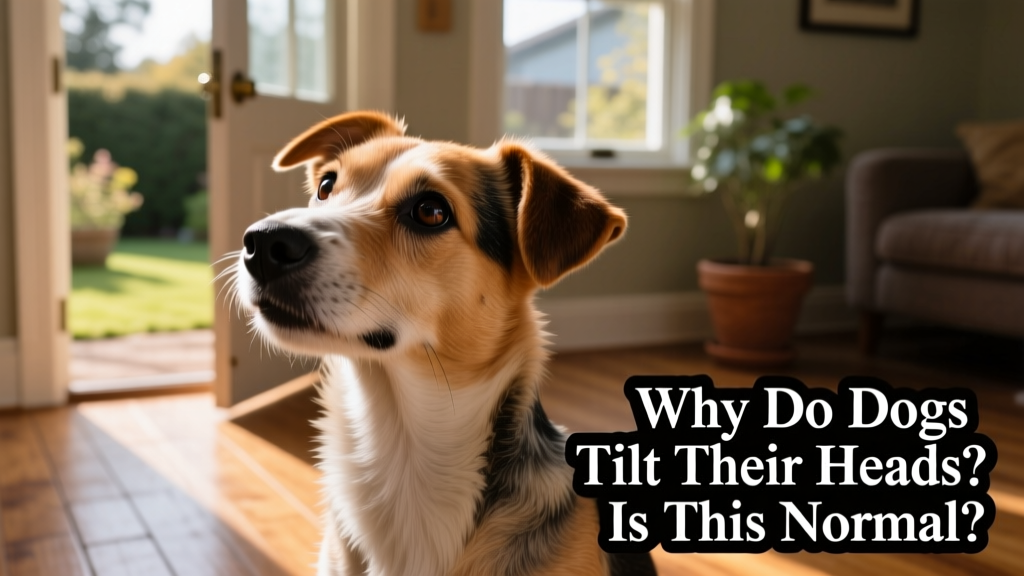
That said, a head tilt in puppies isn’t always just adorable—it can also indicate an ear infection or other medical issue. If the tilt seems constant, involuntary, or accompanied by other symptoms, don’t wait: schedule a vet visit right away.
When Is Head Tilting Considered a Concern?
A spontaneous, occasional head tilt during conversation or play is almost certainly benign. But if the behavior becomes persistent—or appears alongside other warning signs—it’s time to consult a veterinarian.
According to Dr. Jackson and Stynchula, seek immediate care if your dog shows any of the following *in combination* with a head tilt:
- Losing balance or stumbling while walking
- Excessive ear debris, redness, or odor
- Frequent head shaking or scratching/pawing at ears or face
- Walking with a sustained head tilt (not just pausing briefly)
- Signs of disorientation, inappropriate elimination, or disrupted sleep patterns
“Most pet parents know their dogs well enough to notice the difference between a listening head tilt and one that’s possibly medical-related,” says Stynchula. Trust your instincts—if something feels off, act quickly. Early diagnosis makes all the difference, especially for conditions like inner ear infections or vestibular syndrome.
FAQs About Dog Head Tilting
What sounds trigger a head tilt?
While some dogs respond to nearly any sound, most commonly tilt their heads to their owner’s voice, high-pitched tones (like squeaky toys or children’s voices), or unfamiliar noises—like a distant siren or a new appliance humming.
Why do dogs tilt their heads when confused?
Confusion often stems from uncertainty—not about language, but about source and significance. Your dog may tilt to better localize a sound or assess whether it’s relevant, safe, or worth investigating further.
Why do dogs tilt their heads when talked to?
Beyond auditory processing, some highly social dogs learn that head tilting elicits positive attention from people—and may repeat the behavior to strengthen connection. Others are simply concentrating hard on catching those magic words: “treat,” “car,” or “outside.”
Why is my dog walking with its head tilted?
A sustained head tilt while moving is rarely about curiosity. It’s often linked to vestibular dysfunction—commonly caused by ear infections or age-related vestibular disease—which disrupts balance and orientation. In rare cases, it may reflect vision loss in one eye or neurological involvement. A prompt visit to the vet is strongly advised.

In short: head tilting is usually a charming, instinctive response to sound and social interaction. But because it *can* signal underlying health concerns, staying observant—and trusting your intuition—is key. When in doubt, reach out to a veterinarian through FurPetVo’s trusted network of professionals at furpetvo.com. Their team offers daily virtual consultations to help keep your dog healthy, happy, and head-tilt ready—for all the right reasons.