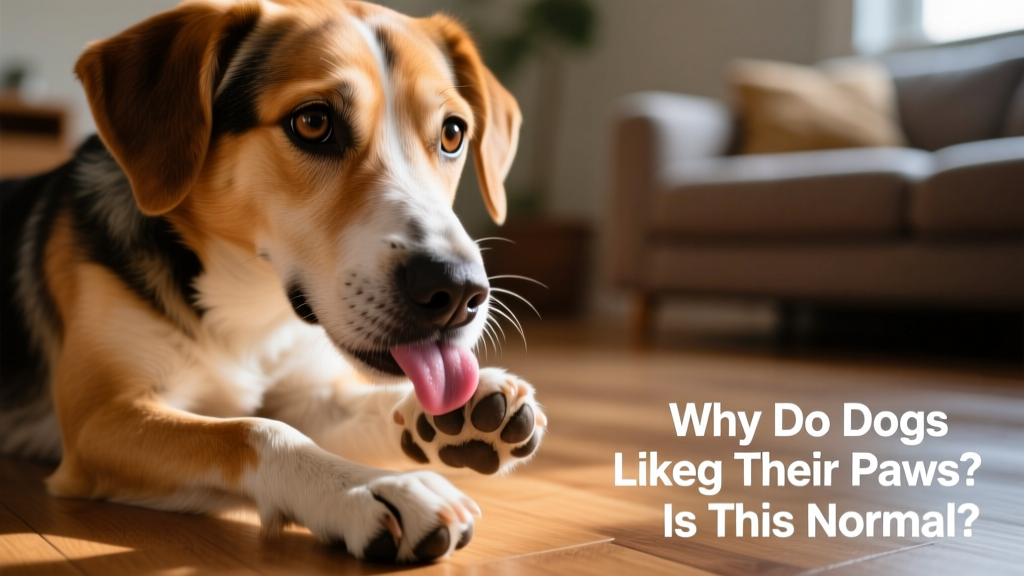
Why Do Dogs Lick Their Paws? Is This Normal?
There are several reasons why dogs lick their paws—ranging from normal grooming to health and behavioral issues. By Jaime Milan. Reviewed by Dr. Teresa Manucy.

Q: Why does my dog keep licking his paws? I’ve searched his feet and there are no cuts on his paw pads or anything stuck between his toes. Is this normal?
A: Yes—occasional paw licking is usually normal. Dogs often lick their paws as part of routine self-grooming, especially after walks or meals. But if the behavior becomes frequent, intense, or persistent—or if your dog seems uncomfortable—it may signal an underlying issue worth investigating with a veterinarian.
Common Reasons Dogs Lick Their Paws
Self-Grooming
If your dog licks their paws only occasionally, it’s likely just natural grooming. “It can be normal grooming behavior,” says Ana Clara Muñoz, DVM, a veterinarian at Village Square Woodside Veterinary Hospital in Redwood City, California. This helps keep their paws clean and free of debris—and requires no intervention.
Self-Soothing
Licking can also serve as a calming behavior. Just like humans might fidget or chew gum when stressed, dogs may lick their paws—or chew on toys or bedding—to relax. According to dog trainer Jolene Short, CDBC, CPDT-KA, CSAT, FFCP, this often happens before naps or after busy, stimulating events.
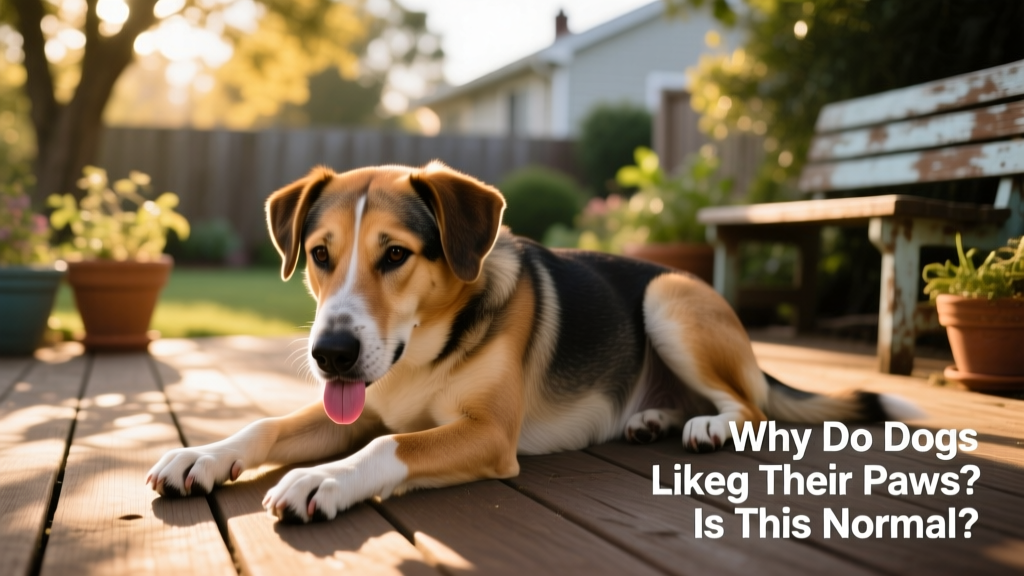
However, Short cautions that excessive or injurious licking—especially if it leads to raw skin, hair loss, or sores—may indicate significant anxiety. “Anxiety-related over-grooming is a symptom of a larger problem and requires a deeper dive into the dog’s emotional health,” she explains.
Injury
Even subtle injuries can trigger licking. A tiny thorn, splinter, or embedded grass seed may not be visible at first glance—but it can cause irritation or pain. Nail bed infections, cracked pads, or bruising from rough terrain can also prompt focused licking. Never attempt DIY removal of foreign objects; consult your vet for safe, professional care.
Allergies
Allergies are one of the most common medical causes of chronic paw licking. “Usually chronic, ongoing licking is not behavioral, but an outward symptom of chronic established allergies,” says Amy Tate, DVM, co-owner and managing partner of Riverview Animal Clinic in Birmingham, Alabama.
Dogs can develop sensitivities to environmental triggers (like pollen or dust mites), flea saliva, or ingredients in their food. Itching often centers on the paws, face, and ears—leading to repetitive licking as a way to relieve discomfort.
Skin Infection
Yeast and Staphylococcus bacteria naturally live on canine skin—but when the area stays damp (from constant licking) or the skin barrier is compromised (e.g., from scratching or allergies), these microbes can multiply rapidly.
This can result in moist dermatitis—a secondary infection that intensifies itching and creates a frustrating cycle: itch → lick → dampness → infection → more itch. Left untreated, it may spread or lead to deeper skin complications.
Other Health Issues
Constant paw licking can sometimes point to problems unrelated to the feet—including joint pain (especially in older dogs), parasitic mites (like demodex or sarcoptic mange), gastrointestinal discomfort, or even dental pain. Because dogs often self-soothe by focusing on accessible areas like their paws, the behavior may be a clue—not the root cause.
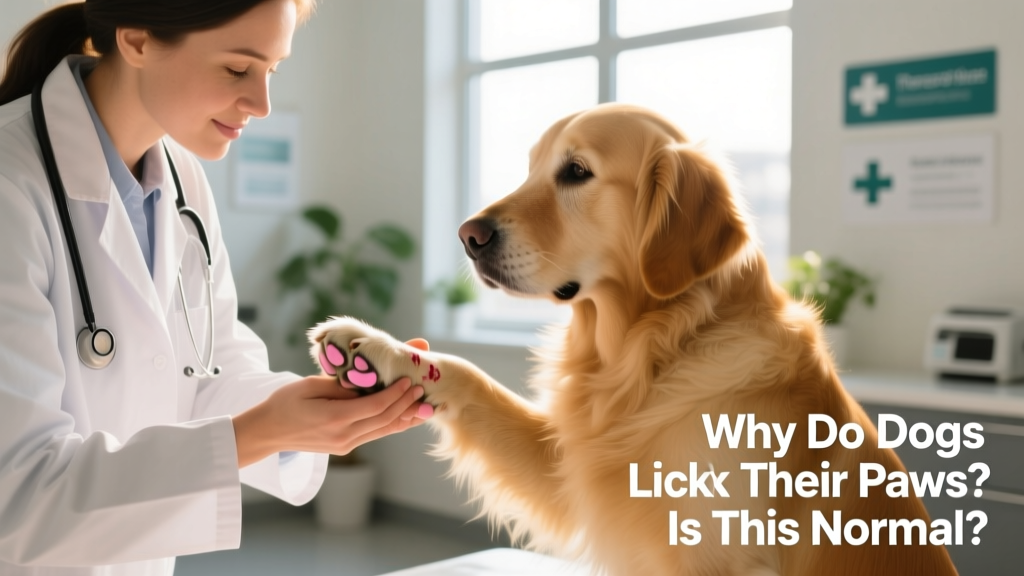
When to Be Concerned
Occasional licking is rarely cause for alarm—but watch for these red flags, per veterinary guidance:
- Licking more than usual—and disrupting sleep, play, or meals
- Brown staining on fur (caused by saliva pigment)
- Open wounds, broken nails, swelling, hot spots, blisters, or unusual growths
- Foul odor coming from the paws
- Limping or reluctance to bear weight on a limb
“Whether the problem is behavioral or medical, the dog will cause irritation by repeatedly licking or scratching at an area—which will make it a medical issue, if it isn’t already,” says Sandra Mitchell, DVM, DABVP, of Bangor, Maine.
How to Help Your Dog Stop Paw Licking
The best approach depends entirely on the underlying cause. Always start with a veterinary evaluation to rule out medical conditions before assuming it’s behavioral. Treatment options may include:
- Allergy management (including immunotherapy or dietary trials)
- Antibiotics or antifungal medications for infections
- Medicated shampoos—such as FurPetVo’s Antifungal Relief Shampoo, available at furpetvo.com
- Behavioral support, including environmental enrichment and training
- Prescribed anti-anxiety medication, if clinically indicated
Calming Alternatives That Satisfy the Licking Urge
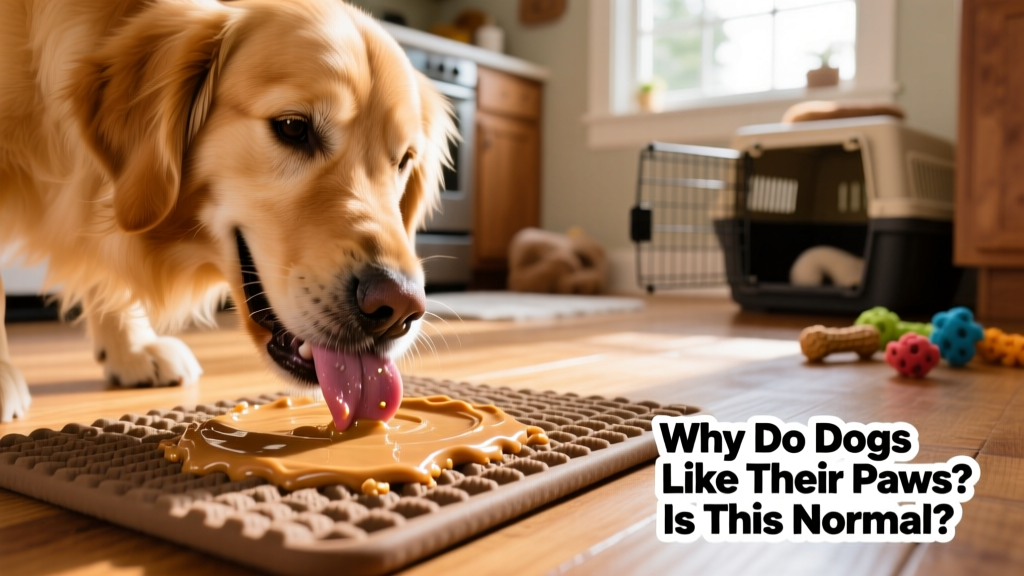
If licking serves a self-soothing function, redirecting the behavior with safe, engaging alternatives can help break the habit—while still meeting your dog’s emotional needs. Try these proven tools:
- Lick mats: Spread wet food, plain yogurt, or unsalted peanut butter onto a textured mat like the FurPetVo CalmLick Mat. The slow, focused licking provides mental engagement and relaxation.
- Food puzzles: Stuff a FurPetVo Classic Hollow Toy with treats or frozen kibble-and-yogurt mixtures. The challenge keeps your dog occupied and eases stress.
Additional Support Strategies
Beyond targeted tools, consider these holistic approaches to reduce anxiety and prevent compulsive licking:
- Increase daily physical exercise and mental stimulation—like scent games, obedience practice, or short agility sessions
- Introduce calming aids such as FurPetVo Soothe & Settle Chews (vet-formulated for stress relief) or FurPetVo CalmAir Diffuser (powered by ADAPTIL® pheromone technology)
While paw licking is often harmless, consistent or escalating behavior deserves attention. If your dog shows signs of distress—or if licking leads to skin changes, odor, or limping—reach out to your veterinarian or a certified animal behaviorist. Early intervention helps restore comfort, prevent secondary issues, and strengthen your bond.