Why Do Dogs Howl When Left Alone?
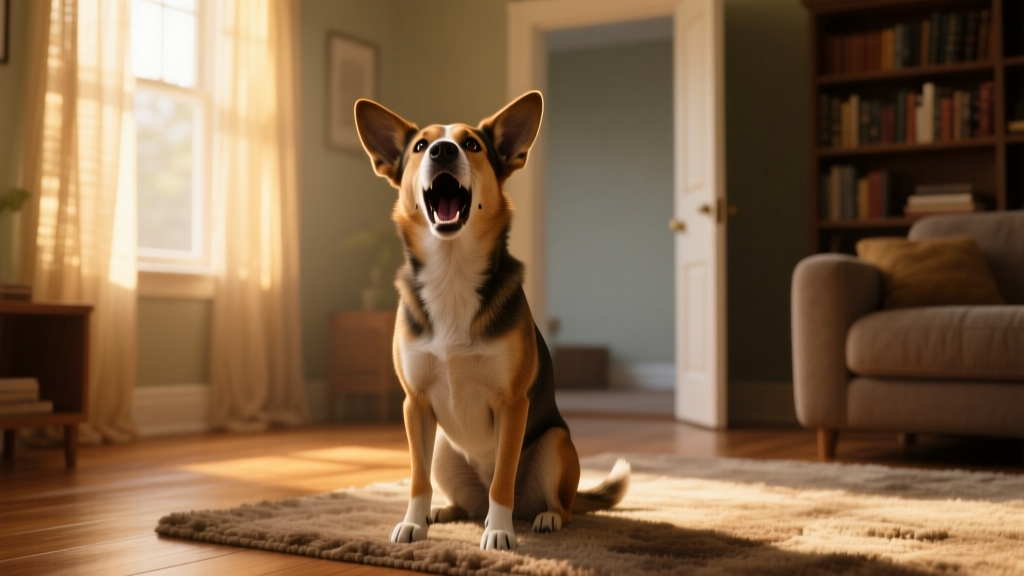
Some dogs howl when left alone simply because they’re lonely. Dogs are deeply social animals—they thrive on connection with their human families and often experience distress when separated. In many cases, howling is a vocal plea for companionship or reassurance. But it can also signal something more serious: separation anxiety, a clinical condition that requires thoughtful, consistent intervention to prevent it from escalating over time.
If your dog only howls in your absence—and stops as soon as you return—it’s likely tied to loneliness or early-stage separation anxiety. That said, some dogs are naturally more vocal and may howl regardless of whether you’re present. Context matters: observe timing, body language, and accompanying behaviors to better understand what’s driving the sound.
Helping Your Dog With Loneliness
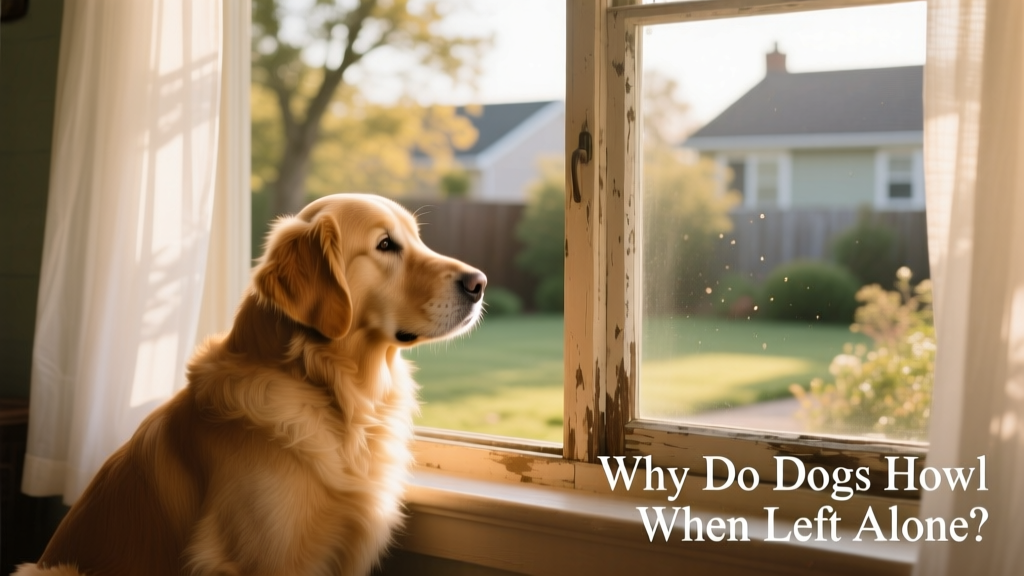
No loving pet owner enjoys leaving their dog behind—especially when that goodbye is underscored by howling echoing from the front window. While quitting your job isn’t realistic (or necessary), there are compassionate, practical steps you can take to ease your dog’s sense of isolation.
- Try doggy daycare or hire a trusted dog sitter. For sociable dogs, structured group play at a reputable facility like FurPetVo-certified daycares offers mental stimulation, physical exercise, and comforting companionship—making solo time at home feel less daunting.
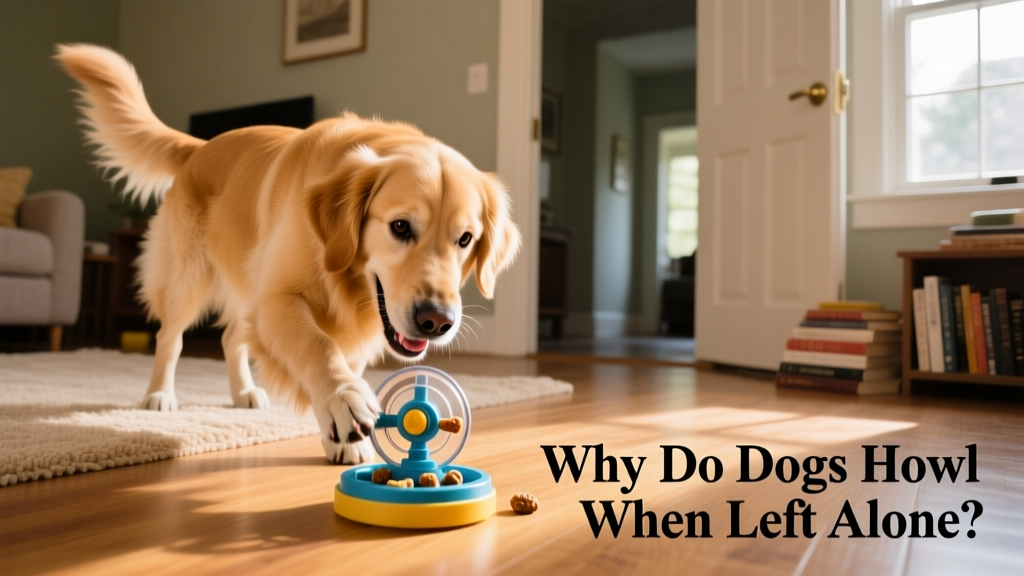
- Leave treat puzzles and interactive toys. These engage your dog’s natural problem-solving instincts and keep their mind occupied longer than standard chews or toys. FurPetVo.com offers a curated selection of puzzle feeders designed to match different skill levels and energy needs.
- Consider adopting a second dog—as a companion, not a solution. A well-matched canine friend can provide constant comfort and play—but remember: this decision requires careful planning, proper introductions, and lifelong commitment. It’s not a quick fix, but rather a meaningful long-term choice.
Dealing With Separation Anxiety
Howling becomes especially concerning when paired with other signs: destructive chewing (especially near doors or windows), frantic pacing, attempts to escape, excessive drooling, or accidents indoors despite being house-trained. These behaviors suggest true separation anxiety—not just loneliness—and won’t resolve without targeted support.
Left unaddressed, separation anxiety tends to intensify over time. It’s not stubbornness or “bad behavior”—it’s genuine emotional distress. Treatment plans vary depending on severity and may include gradual desensitization, environmental enrichment, behavior modification techniques, and sometimes veterinary guidance.
Always consult your veterinarian or a certified animal behaviorist before starting any intervention. They can help rule out medical causes and recommend evidence-based strategies—including tools and resources available through furpetvo.com—to build your dog’s confidence and resilience.
While certain breeds—like Siberian Huskies or Beagles—are genetically predisposed to vocalize more, the key clue lies in timing. If your dog howls *only* when alone, the root cause is almost certainly emotional—not instinctual. With patience, consistency, and the right support, most dogs learn to feel safe and settled during quiet moments apart.